


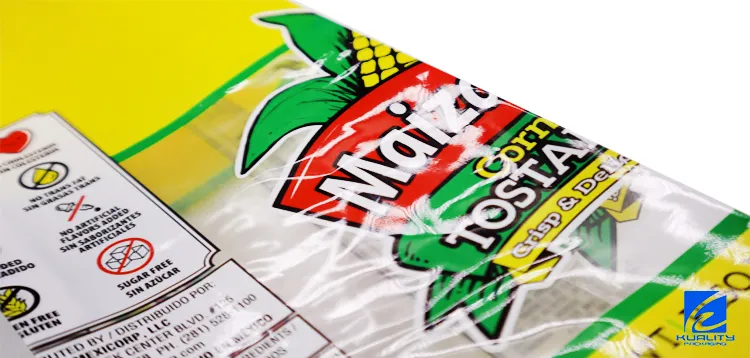
Selecting the right flexible plastic packaging bag is no longer simply about choosing a thicker film. In today’s competitive global market, buyers must balance product protection, production efficiency, sustainability goals, transportation safety, and total packaging cost.
Unter Huiyang Verpackung, we have specialized in manufacturing custom flexible plastic packaging bags for global food, beverage, pet food, personal care, and industrial brands for over 20 years. As a professional flexible plastic packaging bag manufacturer, we help customers engineer packaging structures—not simply manufacture bags.
From digital printing to high-barrier laminated films, our engineering team helps customers optimize material structures, reduce material waste, and improve packaging performance while supporting modern ESG initiatives.
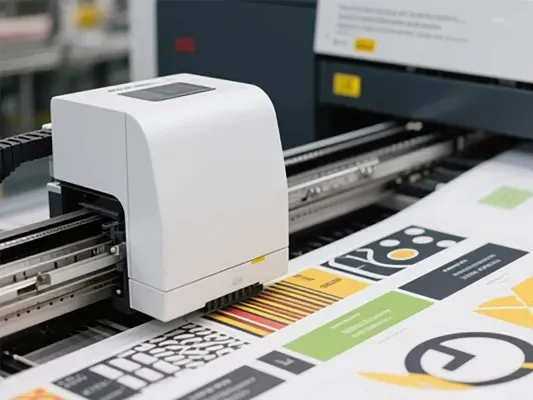
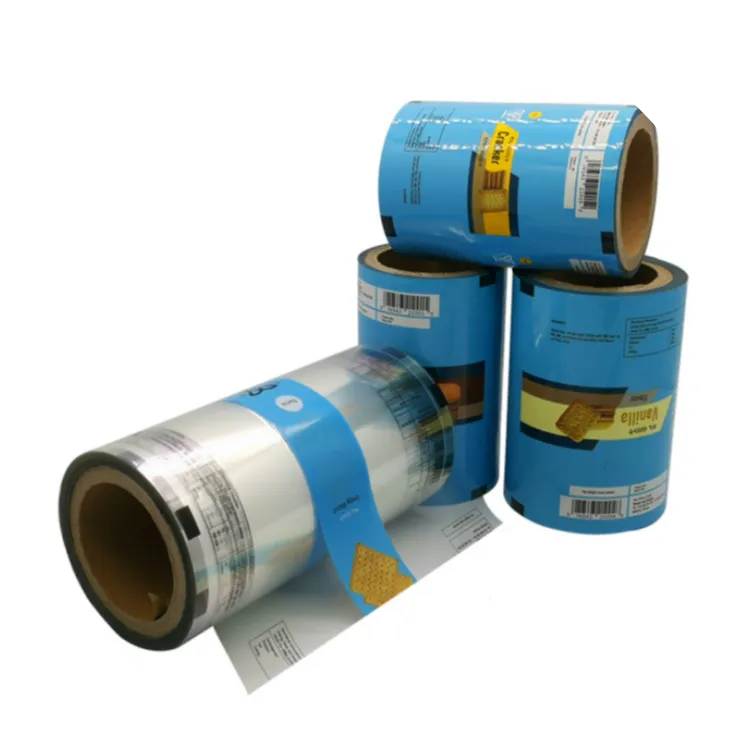
This guide explains how professional buyers choose the correct flexible plastic packaging bag thickness based on real engineering principles rather than assumptions.
Why Flexible Plastic Packaging Bag Thickness Matters More Than Ever
Many procurement teams believe thicker packaging automatically means stronger packaging.
In reality, thickness is only one factor.
The performance of a flexible plastic packaging bag depends on multiple engineering variables, including:
- Materialaufbau
- Resin formulation
- Film orientation
- Barrier layers
- Siegelstärke
- Produktmerkmale
- Transportation conditions
Choosing the wrong thickness may lead to:
- Higher material costs
- Poor machine efficiency
- Transportation failures
- Product leakage
- Shorter shelf life
- Higher plastic taxes
- Unnecessary carbon emissions
The goal is always optimal thickness—not maximum thickness.
Understanding Film Thickness Standards
Before discussing specifications with any flexible plastic packaging bag manufacturer, procurement teams should understand the industry’s measurement standards.
| Standard | Beschreibung |
|---|---|
| Micron (µm) | International metric standard widely used across Asia and Europe |
| Mil | Imperial standard commonly used in North America |
| Conversion | 1 Mil = 25.4 Microns |
Even a small variation matters.
For large production volumes, a 5-micron difference may increase material consumption by around 10%, directly impacting Total Cost of Ownership (TCO).
Professional suppliers should always provide accurate thickness tolerances together with quality inspection reports.
Thickness vs Strength: They’re Not the Same Thing
One of the biggest misconceptions in packaging purchasing is:
Thicker films are always stronger.
Actually, film structure determines strength much more than overall thickness.
A properly engineered flexible plastic packaging bag combines different materials to achieve specific performance objectives.
Common material functions include:
| Material | Primary Function |
|---|---|
| PET | Printing quality and stiffness |
| BOPA (Nylon) | Excellent puncture resistance |
| PE | Heat sealing performance |
| EVOH | Sauerstoffsperre |
| Alufolie | Ultra-high barrier protection |
| MDO-PE | High stiffness with reduced thickness |
This multi-layer design allows manufacturers to produce lighter packaging without sacrificing performance.
Case Study: Improving Pet Food Packaging Without Excessive Thickness
A premium freeze-dried pet food manufacturer experienced approximately 5% leakage in high-altitude markets.
Their existing 80µm flexible plastic packaging bag suffered punctures caused by sharp freeze-dried meat edges during pressure changes.
Engineering Solution
Instead of increasing thickness to 120µm, Huiyang Packaging redesigned the material structure by adding:
- 15µm BOPA (Nylon) layer
- Optimized laminate construction
Ergebnisse
- Total thickness only increased to 105µm
- Puncture resistance improved by approximately 300%
- Product leakage was virtually eliminated
- Material costs remained highly competitive
Engineering smarter structures often delivers better results than simply adding more plastic.
Barrier Performance: Thickness Alone Cannot Protect Your Product
For many products, shelf life depends more on barrier performance than overall film thickness.
Two critical indicators include:
Water Vapor Transmission Rate (WVTR)
Important for:
- Coffee
- Tea
- Powder products
- Snacks
- Dry ingredients
Lower WVTR means better moisture protection.
Oxygen Transmission Rate (OTR)
Critical for:
- Meat
- Pet food
- Dairy
- Nuts
- Organic foods
- Coffee beans
Lower OTR significantly extends product freshness.
Instead of making a PE film thicker, professional packaging engineers often add thin high-barrier materials such as:
- EVOH
- Alufolie
- Metallized PET
A barrier layer as thin as 7 microns can deliver up to 100 times better protection than increasing PE thickness alone.
This is one reason why customized flexible plastic packaging bags outperform single-layer plastic bags.
Designing Flexible Plastic Packaging Bags for Liquid Products
Liquid products experience unique transportation stresses.
During shipping, sudden impacts create what’s known as hydraulic surge, placing tremendous pressure on package seals.
Common applications include:
- Sauces
- Detergents
- Liquid fertilizers
- Chemicals
- Beverage concentrates
Case Study
An industrial chemical company experienced frequent bottom seal failures using 120µm packaging bags.
The issue wasn’t insufficient thickness.
The problem was poor sealant design.
Huiyang Packaging’s Solution
We redesigned the film structure with:
- 140µm co-extruded film
- 40% Metallocene PE sealing layer
Ergebnisse
- Significantly stronger heat seals
- Zero transportation failures
- More than $40,000 annual savings in cargo claims
Seal strength is often more important than simply increasing film gauge.
2026 Packaging Trend: Down-Gauging Without Losing Performance
One of the biggest trends shaping the flexible plastic packaging bag industry is Down-Gauging.
Rather than using thicker films, manufacturers now rely on advanced materials to reduce packaging weight while maintaining performance.
Benefits include:
- Lower material consumption
- Reduced shipping costs
- Lower carbon footprint
- Improved ESG performance
- Reduced plastic packaging taxes
Advanced technologies include:
MDO-PE Films
Machine Direction Orientation (MDO) improves stiffness dramatically.
For example:
A modern 75µm MDO-PE pouch can deliver stiffness similar to a traditional 100µm pouch.
This allows brands to reduce plastic usage without sacrificing shelf appearance.
Recommended Flexible Plastic Packaging Bag Thickness by Application
| Product Category | Verpackungsart | Product Weight | Recommended Thickness |
|---|---|---|---|
| Tea & Spices | Stand-up Pouch | 100–500g | 60–80µm |
| Granola & Nuts | Flachboden-Beutel | 500g–1kg | 90–110µm |
| Coffee Beans | Tasche mit Seitenfalte | 250g–1kg | 110–130µm |
| Frozen Seafood | Three Side Seal Bag | 1–2kg | 100–120µm |
| Industrial Resin | Pillow Bag | 20–25kg | 180–220µm+ |
Actual thickness should always be validated according to:
- Product shape
- Filling process
- Transportation method
- Shelf-life requirements
- Distribution environment
How Professional Buyers Reduce Total Packaging Cost
Experienced procurement managers evaluate much more than unit pricing.
1. Calculate Film Yield
Packaging is purchased by weight but consumed by quantity.
If Supplier A provides:
- 100µm film
and Supplier B provides:
- 85µm film with identical performance
Supplier B may deliver significantly more bags per ton, reducing cost per package.
Always request Yield Calculations before comparing quotations.
2. Request a Certificate of Analysis (COA)
Every shipment should include a Certificate of Analysis verifying:
- Film thickness
- Thickness tolerance
- Materialaufbau
- Mechanical properties
Maintaining thickness consistency (typically ±5%) helps prevent filling machine downtime and sealing issues.
3. Evaluate Engineering Support
A true flexible plastic packaging bag manufacturer Angebote:
- Material recommendations
- Packaging optimization
- Cost reduction proposals
- Transportation testing
- Sustainability improvements
Rather than simply supplying products, they become your long-term packaging engineering partner.
Why Choose Huiyang Packaging?
Als vertrauenswürdiger custom flexible plastic packaging bag manufacturer, Huiyang Verpackung combines advanced production technology with practical packaging engineering experience.
Our manufacturing advantages include:
- 20+ years of flexible packaging manufacturing experience
- Modern automated production facility
- Digital printing and gravure printing capabilities
- OEM & ODM custom packaging solutions
- Food-grade certified production systems
- High-barrier laminated film expertise
- Strict quality inspection throughout production
- Professional engineering support for global B2B buyers
- Flexible MOQ and fast production scheduling
- Export experience serving customers worldwide
Whether you require food packaging, pet food pouches, coffee bags, liquid packaging, or industrial packaging solutions, Huiyang Packaging helps optimize every flexible plastic packaging bag for performance, efficiency, and long-term value.
Häufig gestellte Fragen
Is choosing the thickest flexible plastic packaging bag always the safest option?
No. Excessive thickness increases material costs, plastic consumption, transportation expenses, and may even reduce sealing performance. The objective should always be optimal engineering, not maximum thickness.
How does material structure affect packaging thickness?
Different materials contribute different properties. PET provides stiffness, Nylon improves puncture resistance, EVOH delivers oxygen barrier performance, while PE ensures reliable heat sealing. Multi-layer laminates often achieve better performance using less overall material.
How can manufacturers reduce packaging thickness without reducing quality?
By using advanced resin technology, MDO films, optimized laminate structures, and high-performance sealing materials, manufacturers can significantly reduce film gauge while maintaining excellent mechanical and barrier properties.
Schlussfolgerung
Choosing the right flexible plastic packaging bag is an engineering decision that directly influences product protection, logistics performance, manufacturing efficiency, sustainability, and long-term procurement costs.
Unter Huiyang Verpackung, we don’t simply manufacture bags—we engineer customized packaging solutions designed around your products, filling equipment, transportation conditions, and business goals. Our experienced technical team works closely with global B2B customers to optimize material structures, reduce unnecessary costs, and improve packaging performance through intelligent design and advanced manufacturing.
Looking to optimize your next packaging project? Contact Huiyang Verpackung today for a free Material Structure & Gauge Assessment, and let our engineering team help you build a high-performance custom flexible plastic packaging bag solution that supports your business growth in 2026 and beyond.