



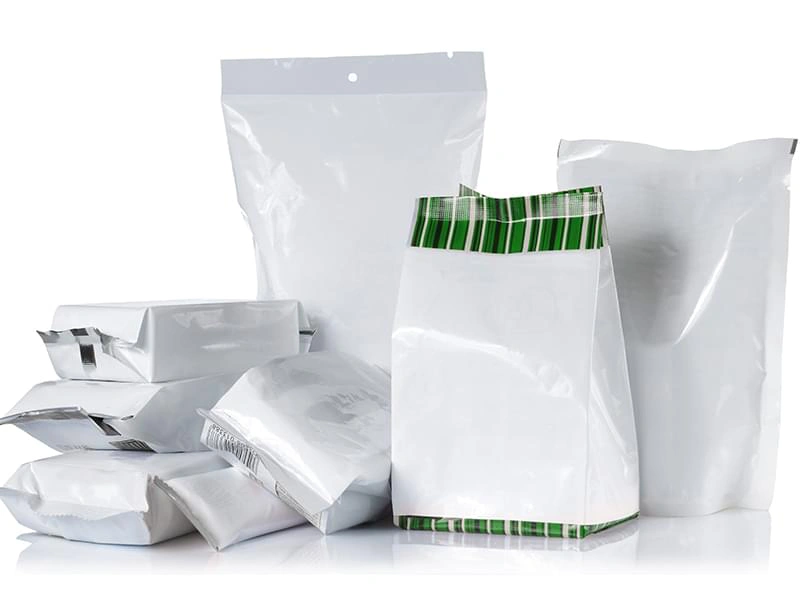
Heat-seal performance is a key factor determining flexible packaging reliability, leakage prevention, and production consistency. Упаковка Huiyang, a professional OEM flexible packaging manufacturer, provides customized packaging solutions by optimizing material structures, sealing processes, and manufacturing control for food, cosmetic, pharmaceutical, and daily-use products.
Why Heat-Seal Performance Determines Packaging Reliability
When selecting flexible packaging, many buyers focus primarily on visible factors such as printing quality, material appearance, barrier properties, and packaging design.
However, one of the most important factors affecting packaging reliability is often hidden inside the production process: heat-seal performance.
Heat-seal performance refers to the ability of a flexible packaging structure to create a strong, consistent, and reliable seal under specific sealing conditions, including temperature, pressure, dwell time, material structure, and production speed.
A packaging bag may use high-barrier films, premium printing technology, and advanced structural materials. However, if the sealing process is unstable, the package may still experience leakage, opening during transportation, or reduced product protection.
For this reason, heat-seal performance should not be viewed as an isolated production parameter. Instead, it should be considered as an essential part of the complete packaging solution.
For brands, importers, and packaging buyers, understanding sealing behavior before mass production can help reduce quality risks, improve production efficiency, and ensure consistent product performance.
What Is Heat Sealing in Flexible Packaging?
Heat sealing is the process of joining two thermoplastic sealing surfaces by applying controlled heat and pressure.
In a multilayer flexible packaging film, each layer normally performs a specific function.
For example:
- The outer layer provides printing quality, appearance, and mechanical protection.
- The middle layer provides barrier properties such as oxygen and moisture resistance.
- The inner layer provides sealing capability.
When the sealing area reaches the appropriate temperature, the sealant layer softens or melts. Under pressure, the two surfaces come into close contact and form a bond.
After cooling, the sealed area develops the strength required to maintain package integrity.
This process explains why the sealing layer is critical in flexible packaging development.
A packaging structure may have excellent barrier performance, but without reliable sealing performance, the overall packaging system cannot achieve its intended protection function.
For example, coffee packaging requires protection from oxygen and moisture to maintain freshness. Snack packaging requires strong seals to prevent contamination and product loss. Liquid packaging requires reliable sealing to prevent leakage.
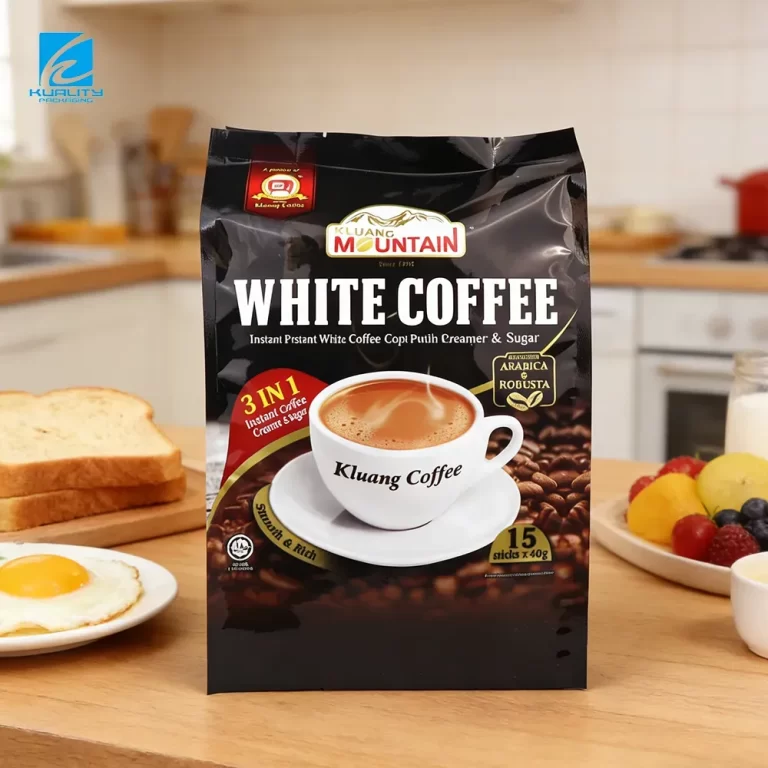
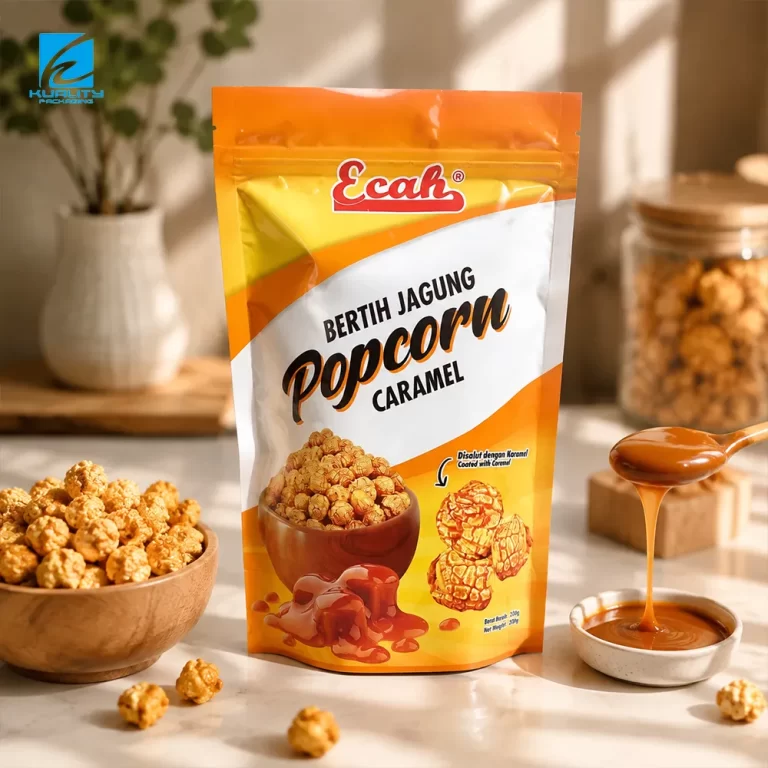
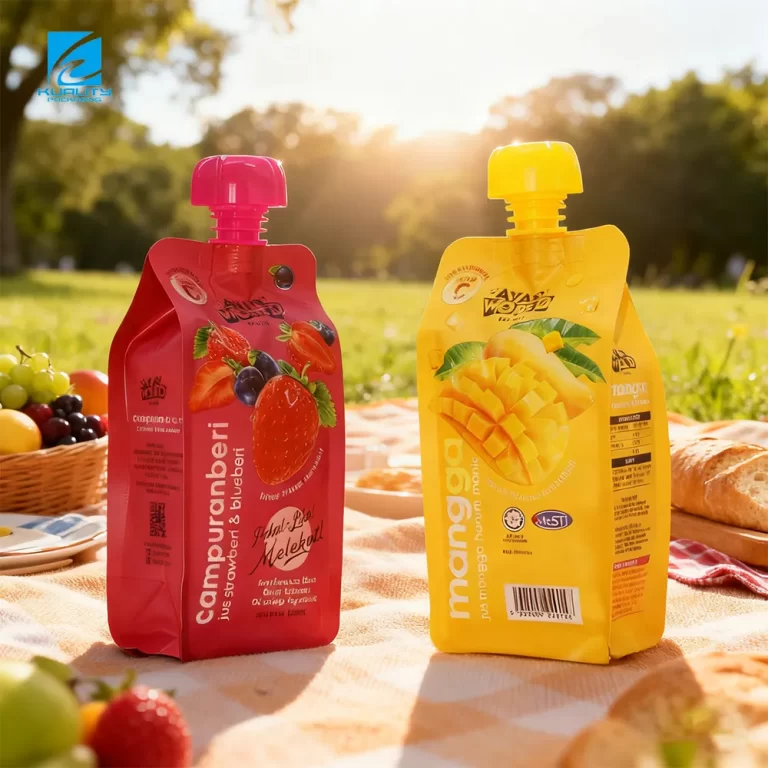
In all these applications, heat-seal performance directly influences the final package quality.
Why Does Heat-Seal Performance Matter?
The seal is one of the final protective barriers between the packaged product and the external environment.
If the sealing process is inconsistent, several problems may occur.
1. Leakage Risk
For products such as:
- Соусы
- Liquid beverages
- Powder products
- Pet food
- Oily snacks
A weak seal can become the primary leakage point.
Even a small sealing defect may affect product safety, transportation reliability, and customer experience.
2. Product Protection
Many flexible packaging applications depend on maintaining a controlled internal environment.
For example:
Coffee, snacks, and pet food often require protection from:
- Кислород
- Влажность
- External contamination
A defective seal can reduce the effectiveness of the entire packaging structure, even if the film itself provides strong barrier performance.
Therefore, packaging performance depends on both: Material protection + Reliable sealing.
3. Transportation Reliability
During transportation, packaging may experience:
- Compression
- Vibration
- Impact
- Temperature changes
- Long-distance handling
A seal that appears acceptable immediately after production may fail when exposed to repeated mechanical stress.
Stable heat-seal performance helps ensure that packages remain closed throughout logistics and storage.
4. Production Efficiency
Poor sealing consistency can also influence manufacturing efficiency.
Common problems include:
- Increased rejected bags
- Frequent machine adjustments
- Production interruptions
- Higher material waste
For large-scale packaging production, stable sealing performance helps manufacturers maintain higher efficiency and lower operational costs.
What Determines Heat-Seal Performance?
Many people assume that sealing quality depends mainly on temperature. However, actual heat-seal performance is influenced by multiple factors working together.
The main factors include:
- Sealing temperature
- Dwell time
- Давление уплотнения
- Sealant layer properties
- Film structure
- Material thickness
- Machine speed
- Package design
- Sealing area condition
Understanding these factors helps buyers choose a more suitable packaging solution.
Sealing Temperature
The sealing temperature must be high enough to activate the sealant layer and create sufficient bonding.
If the temperature is too low:
- The sealant may not soften properly
- The bonding strength may be insufficient
- Leakage risks may increase
However, excessive temperature can also create problems. Possible issues include:
- Sealant squeeze-out
- Film deformation
- Surface damage
- Wrinkles
Therefore, the goal is not to use the highest possible temperature.
The goal is to identify the optimal sealing range for the specific packaging structure.
Dwell Time
Dwell time refers to how long the sealing jaws remain in contact with the packaging material. A longer dwell time generally provides more opportunity for heat transfer and bonding.
However, modern packaging lines often operate at high speeds. When production speed increases, available sealing time may decrease.
Therefore, packaging materials must be designed to achieve stable sealing performance within actual production conditions.
Sealing Pressure
Pressure ensures that sealing surfaces contact evenly.
Insufficient pressure may result in:
- Incomplete bonding
- Air gaps
- Weak sealing areas
This can become especially challenging when:
- Powder remains in the sealing area
- Wrinkles appear
- Multiple material layers overlap
However, excessive pressure may also create problems by forcing melted sealant away from the sealing area.
Balanced pressure is essential for consistent sealing quality.
Why Material Structure Influences Heat-Seal Performance
The material structure of flexible packaging plays an important role in determining sealing behavior.
A typical flexible packaging film is composed of multiple layers, and each layer contributes different functions.
Common structures may include:
- ПЭТ / ПЭ
- BOPP / CPP
- ПЭТ / АЛ / ПЭ
- PET / VMPET / PE
- PA / PE
The outer layers may provide:
- Printing performance
- Mechanical strength
- Appearance
The barrier layers may provide:
- Oxygen resistance
- Устойчивость к влаге
- Light protection
The sealing layer determines how effectively the package can be closed during production.
Different sealant materials have different melting points, sealing ranges, and bonding characteristics.
Therefore, two packaging films with similar thickness or appearance may require completely different sealing conditions.
This is why professional flexible packaging development should consider:
- Product requirements
- Структура материала
- Filling environment
- Packaging equipment
- Production speed
as one integrated system.
For example, a packaging structure designed for frozen food may require different sealing characteristics compared with a structure used for coffee, cosmetics, or liquid products.
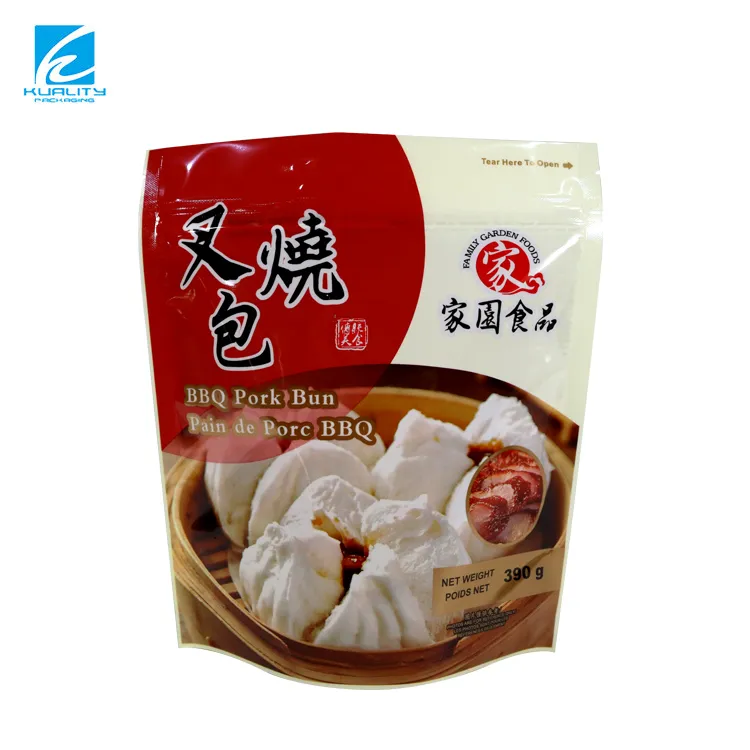
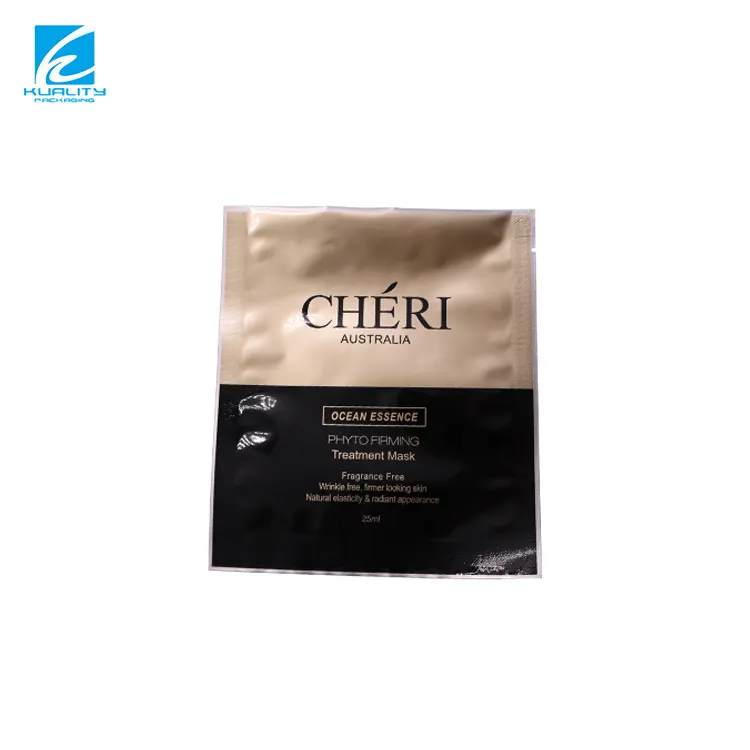
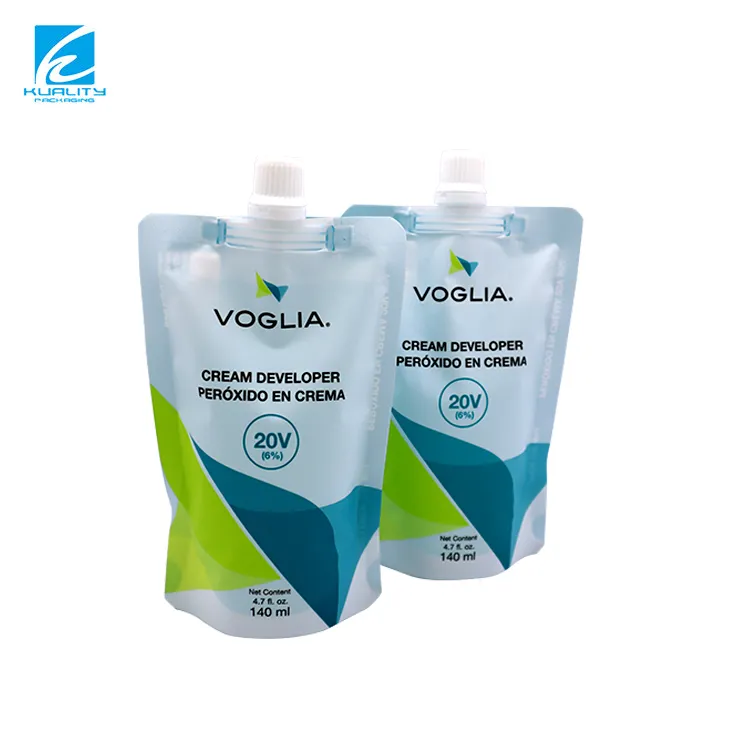
Опытный packaging manufacturer should evaluate the complete application instead of simply recommending a standard film structure.
Is Higher Sealing Temperature Always Better?
A common misunderstanding in flexible packaging production is that higher temperature automatically creates stronger sealing performance.
In reality, this is not always true.
If the temperature is too low:
- The sealant layer may not activate sufficiently
- The bond strength may be insufficient
- Leakage risks may increase
However, excessive temperature may create new problems, including:
- Sealant squeeze-out
- Film distortion
- Surface damage
- Wrinkles
- Reduced package appearance
The same principle applies to pressure and dwell time.
More heat, more pressure, or longer sealing time does not always mean better results.
The objective is to establish a stable sealing window where:
- Temperature
- Pressure
- Dwell time
- Material properties
work together effectively.
A suitable sealing window helps manufacturers achieve:
- Consistent seal quality
- Stable production speed
- Lower rejection rates
- Better packaging reliability
For this reason, evaluating heat-seal performance requires technical testing rather than relying only on theoretical material specifications.
Customer Case: Optimizing Sealing Conditions for Better Packaging Reliability
In flexible packaging production, sealing problems are not always caused by the packaging material itself. We previously worked with a customer using laminated pouches for dry food packaging.
During the initial production trial, several finished bags showed inconsistent sealing performance. The packages appeared normal visually, but the sealing strength varied between different production batches.
At first, the customer suspected that the material structure was the main reason. However, after reviewing the complete production process, the issue was found to be related to the interaction between the packaging structure and machine conditions.
The customer’s packaging equipment was operating at high speed, which reduced the effective sealing time. At the same time, the sealing temperature and pressure settings had not been fully adjusted for the specific material structure.
Instead of simply increasing the sealing temperature, we analyzed:
- Film structure
- Sealing layer characteristics
- Machine speed
- Temperature settings
- Pressure conditions
After optimizing the sealing parameters, the customer achieved more stable sealing results during continuous production.
This case demonstrates an important principle:
Heat-seal performance depends on the relationship between packaging materials and actual production conditions.
A flexible packaging solution should always be evaluated based on real manufacturing requirements.
Why Can Bag Design Affect Heat-Seal Performance?
Packaging structure also influences sealing results. Different bag formats create different sealing conditions because of variations in:
- Material thickness
- Folding areas
- Gusset structures
- Sealing geometry
- Pressure distribution
A simple flat pouch may have a relatively uniform sealing area. However, more complex packaging formats may require additional evaluation.
Examples include:
Пакеты с вертикальной основой
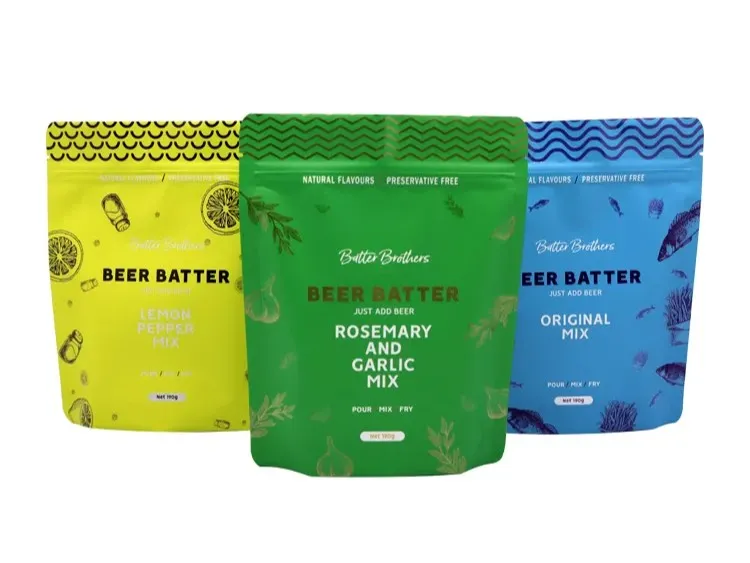
Stand-up pouches often include bottom gussets that create additional layers in certain sealing areas.
Flat Bottom Pouches
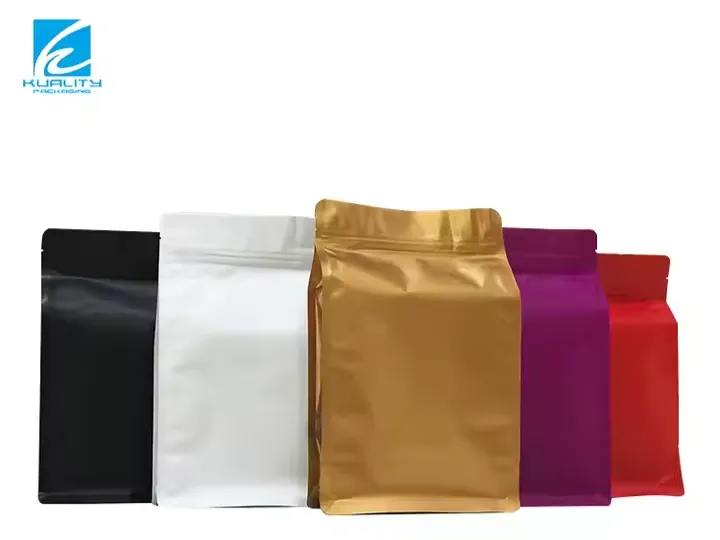
Flat bottom structures require careful control because multiple folded areas may influence sealing pressure.
Quad Seal Bags
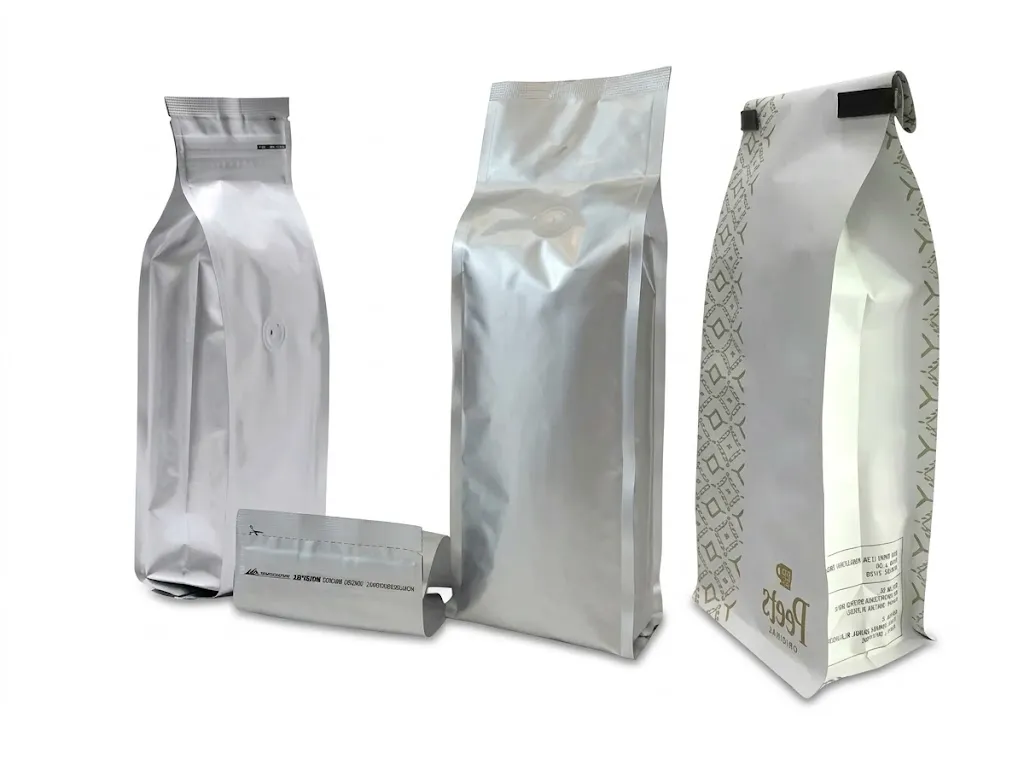
Quad seal bags contain several sealing edges and corners that need consistent bonding.
Пакеты с дозатором

Spout pouches require precise sealing around the spout area to prevent leakage.
Large-Format Packaging Bags
Large bags may experience higher stress during filling, transportation, and storage.
For these packaging formats, heat-seal performance should be evaluated according to the actual bag design.
This is why customized flexible packaging development should consider:
- Характеристики продукта
- Bag structure
- Процесс наполнения
- Sealing equipment
Seal Strength vs. Seal Integrity: Understanding the Difference
When evaluating packaging sealing quality, buyers should understand the difference between seal strength and seal integrity.
Прочность уплотнения
Seal strength refers to the force required to separate a sealed area.
It helps evaluate how strong the seal bond is.
Seal Integrity
Seal integrity is a broader concept.
It refers to whether the seal remains continuous and free from defects that could cause:
- Leakage
- Product contamination
- Loss of package protection
A package may have acceptable seal strength but still contain localized defects.
For example:
- Small channels
- Uneven sealing areas
- Contamination in the seal zone
may affect package reliability.
Therefore, packaging evaluation should not rely on one measurement alone.
Depending on the product application, manufacturers and buyers may consider:
- Seal strength testing
- Leakage testing
- Visual inspection
- Transportation simulation
- Package integrity testing
Standards such as ASTM F88 for seal strength testing and ASTM F2029 for heat seal preparation demonstrate the importance of systematic sealing evaluation.
How Should Buyers Evaluate Heat-Seal Performance Before Mass Production?
For brands and importers sourcing custom flexible packaging, sealing performance should be evaluated before placing large production orders.
A professional evaluation process normally includes several stages.
Before Sampling
Buyers should provide detailed packaging information, including:
- Product type
- Bag style
- Package dimensions
- Required barrier properties
- Filling method
- Packaging equipment
- Production speed
- Требования к хранению
The more information provided, the more accurately the manufacturer can recommend a suitable structure.
During Sampling
The packaging supplier should evaluate whether the material structure can achieve stable sealing under expected conditions.
Important factors include:
- Suitable sealing temperature range
- Required pressure
- Dwell time
- Machine compatibility
During Testing
Depending on the product category, buyers may evaluate:
- Seal appearance
- Прочность уплотнения
- Seal integrity
- Leakage resistance
- Долговечность транспортных средств
Before Mass Production
The final packaging should ideally be tested under conditions close to the actual filling environment.
This is particularly important for:
- Automatic packaging lines
- High-speed production
- Liquid products
- Heavy packaging formats
Testing before mass production can help prevent costly production problems later.
What Should a Flexible Packaging Manufacturer Control?
For a professional производитель гибкой упаковки, sealing quality should be managed throughout the entire development and production process.
The process begins with selecting the right material structure.
It continues through:
- Печать
- Lamination
- Curing
- Slitting
- Bag making
- Sealing control
- Final inspection
A reliable производитель should not only produce attractive packaging.
Сайт производитель should ensure that the packaging performs consistently during:
- Filling
- Transportation
- Хранение
- Retail display
- Final consumer use
This requires experience in:
- Выбор материала
- Production technology
- Quality management
- Application understanding
Why Work with an Experienced Flexible Packaging Factory?
For B2B buyers, the lowest unit price is not always the most cost-effective choice.
A reliable packaging partner should help reduce risks related to:
- Выбор материала
- Production consistency
- Sealing performance
- Quality problems
- Delivery stability
An experienced factory can provide valuable support by:
Understanding Product Applications
Different products require different packaging structures.
Food, liquid, cosmetic, and pharmaceutical products all have different protection requirements.
Supporting Custom Development
OEM/ODM capability allows brands to create differentiated packaging solutions.
Maintaining Production Consistency
Stable manufacturing processes help ensure repeat orders meet the same quality expectations.
Providing Long-Term Supply Support
A strong manufacturing partner should support not only the first order but also future product expansion.
Часто задаваемые вопросы
Q1: What factors affect heat-seal performance?
The main factors include sealing temperature, dwell time, pressure, sealant properties, film structure, thickness, machine speed, bag design, and sealing area conditions.
Q2: Is higher sealing temperature always better?
No. Excessive temperature may cause sealant squeeze-out, film deformation, wrinkles, or packaging defects. The goal is to identify the optimal sealing range for the specific packaging structure.
Q3: Why can the same packaging material require different sealing conditions?
Different production lines, machines, sealing speeds, pressure settings, and package designs can affect sealing results. Therefore, the same material may require different sealing parameters depending on actual manufacturing conditions.
Q4: What is the difference between seal strength and seal integrity?
Seal strength measures the force required to separate the seal. Seal integrity refers to whether the sealed area remains complete and prevents leakage or package failure.
Q5: What information should buyers provide when requesting customized flexible packaging?
Buyers should provide:
- Product information
- Packaging format
- Size requirements
- Material expectations
- Процесс наполнения
- Equipment type
- Production speed
- Sealing requirements
Providing this information helps manufacturers develop a more suitable packaging solution.
Conclusion: Heat-Seal Performance Is Essential for Flexible Packaging Success
Heat sealing may not be the most visible feature of flexible packaging, but it directly affects package reliability, production efficiency, and product protection.
A successful seal does not depend on temperature alone.
Instead, reliable heat-seal performance requires the right combination of:
- Sealant materials
- Film structure
- Temperature
- Pressure
- Dwell time
- Дизайн сумки
- Production conditions
For packaging buyers, evaluating flexible packaging only by appearance, material structure, or price can create unnecessary risks.
The better approach is to evaluate whether the complete packaging solution can perform consistently under real production conditions.
Huiyang Packaging: Your Reliable OEM Flexible Packaging Manufacturer
For businesses seeking customized packaging solutions, choosing the right manufacturing partner is essential.
Упаковка Huiyang is a professional OEM/ODM производитель гибкой упаковки with more than 25 years of industry experience.
The company provides comprehensive packaging solutions covering:
- Material development
- Structural design
- Печать
- Lamination
- Bag production
- Проверка качества
Huiyang Packaging operates advanced production facilities equipped with:
- High-speed printing machines
- Modern laminating equipment
- Professional bag-making production lines
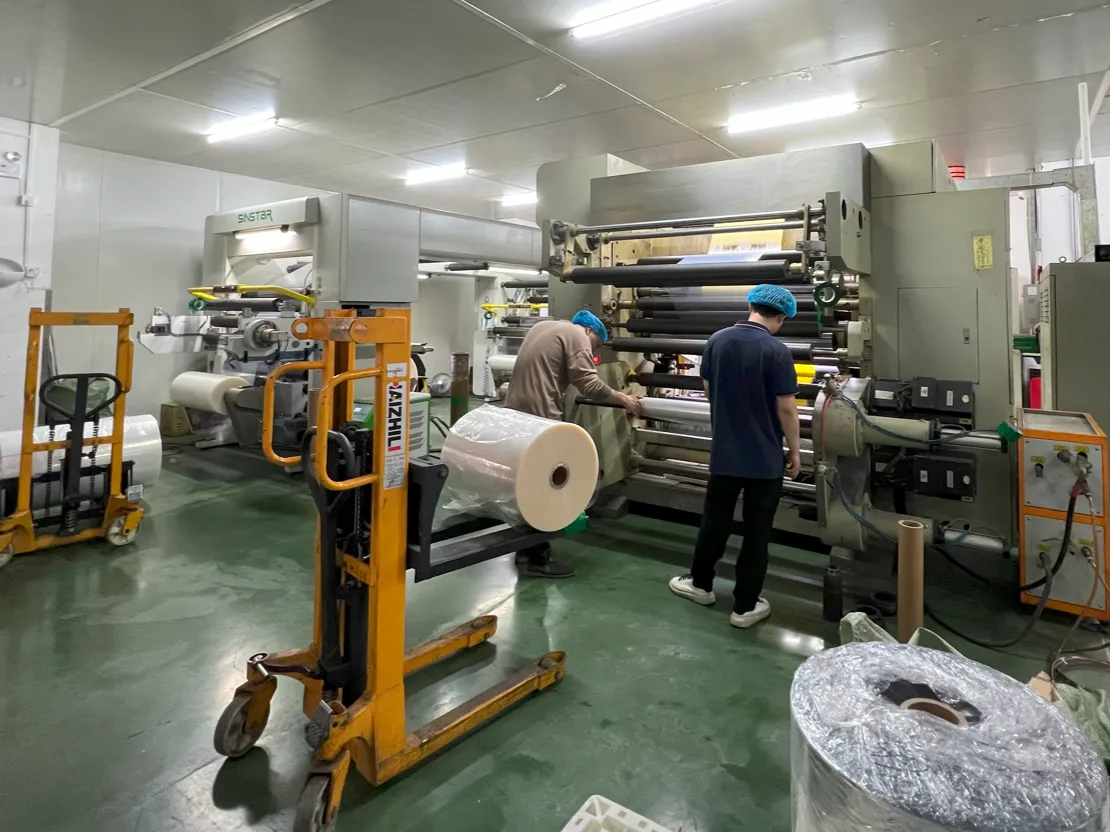
The company follows strict quality management procedures based on ISO9001 standards and meets relevant testing requirements such as SGS and FDA standards.
For global food, cosmetic, pharmaceutical, and daily chemical brands, Упаковка Huiyang provides packaging solutions designed for product protection, production efficiency, and long-term supply stability. Connect with Huiyang Packaging today!