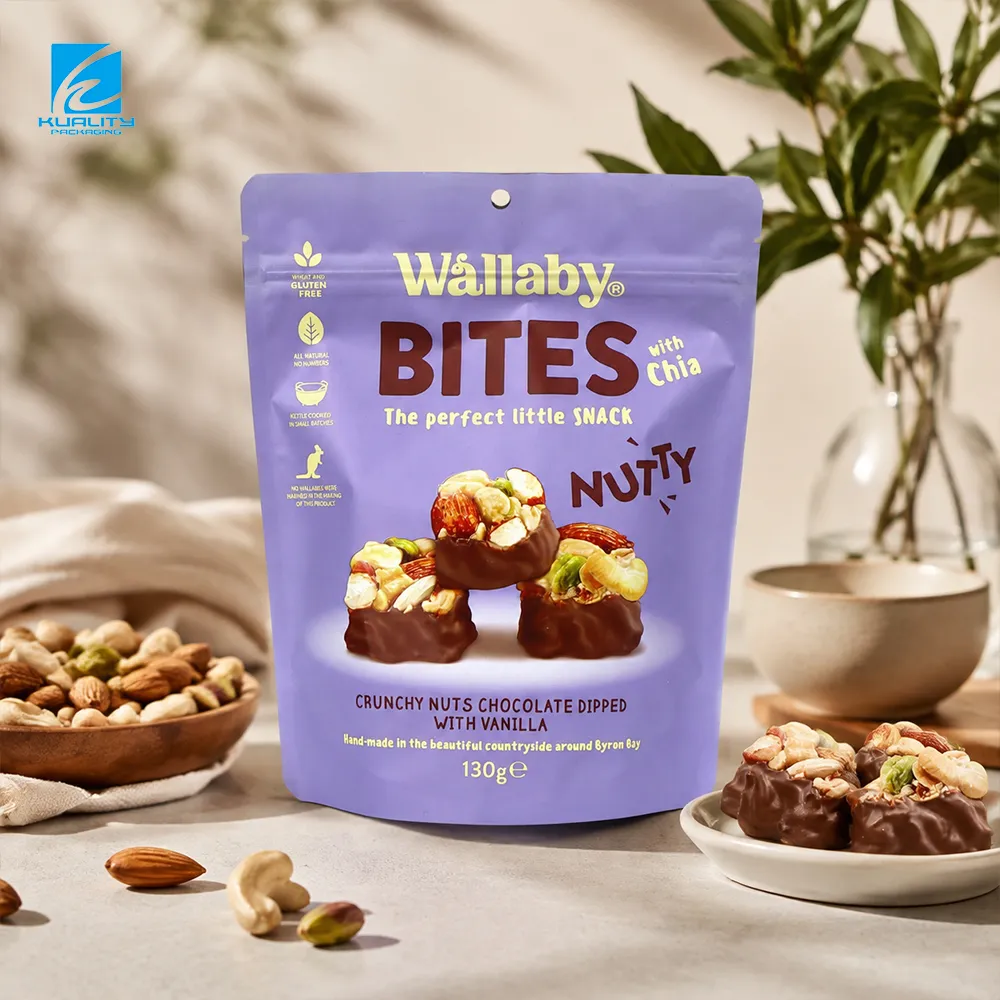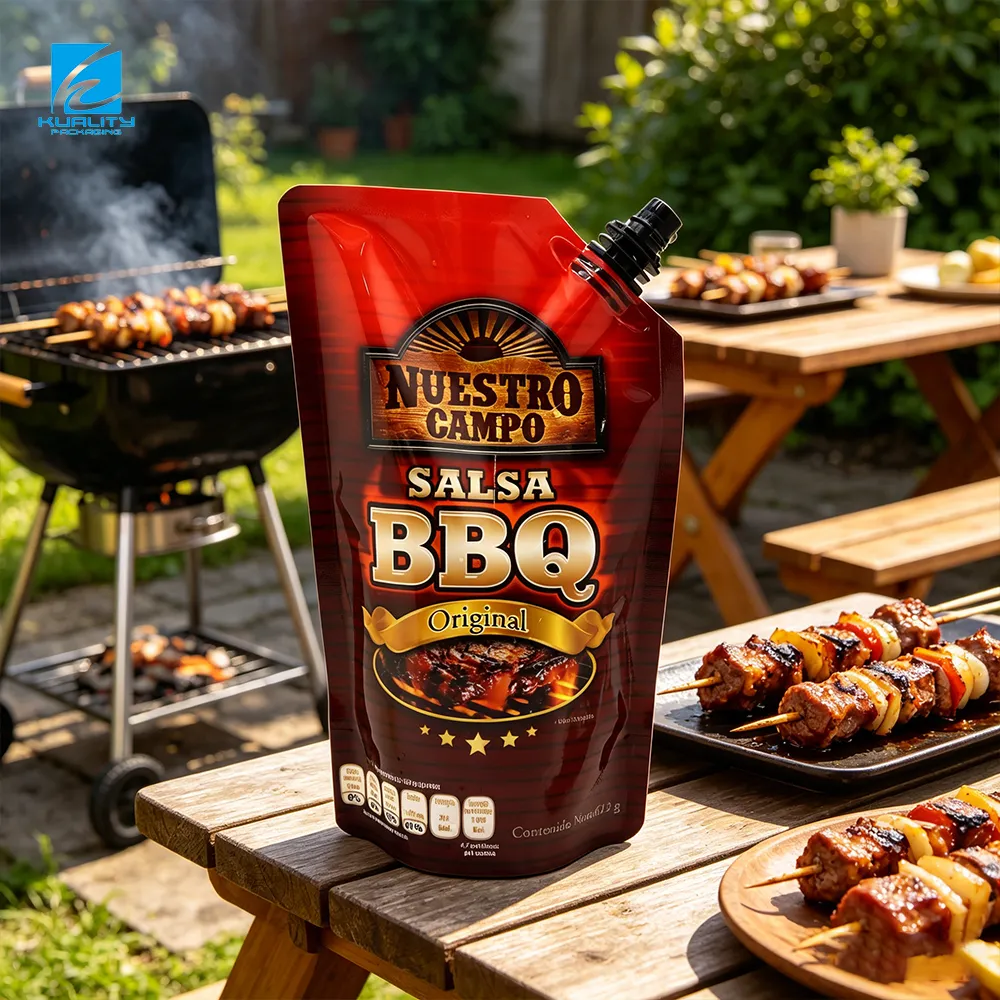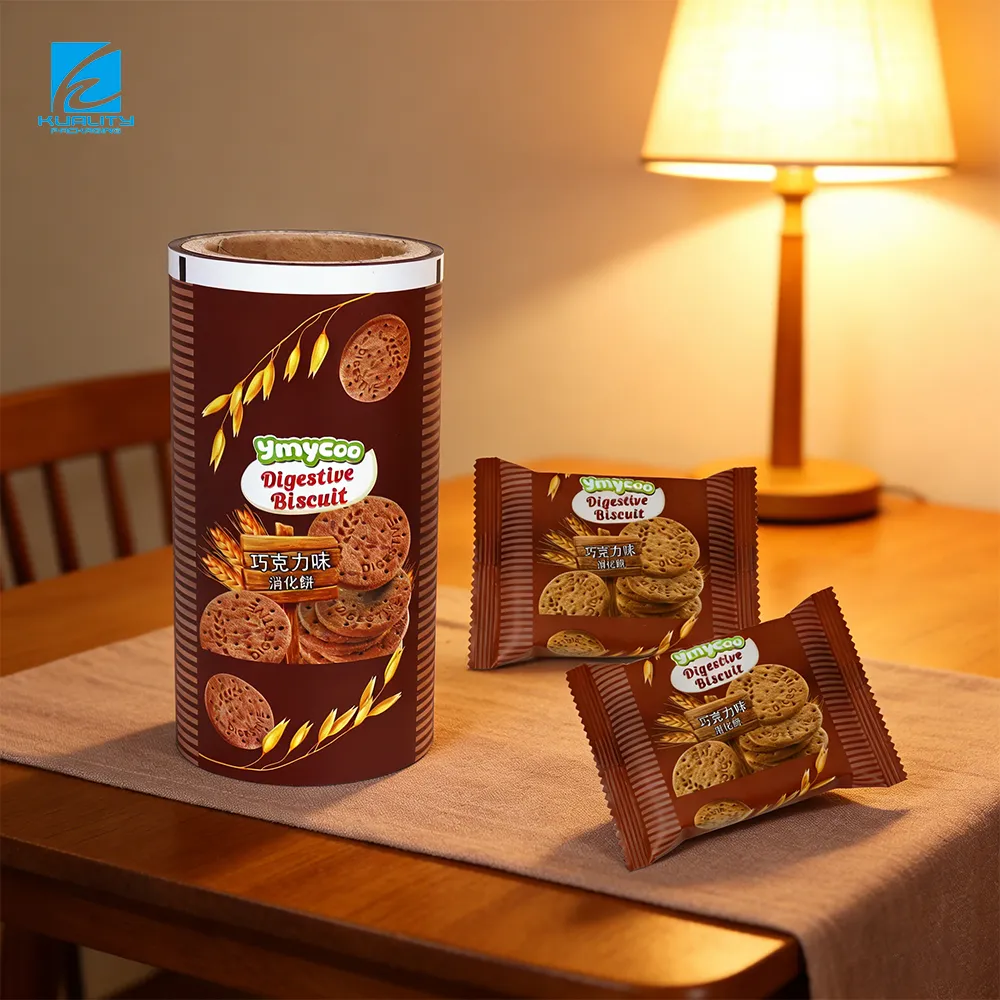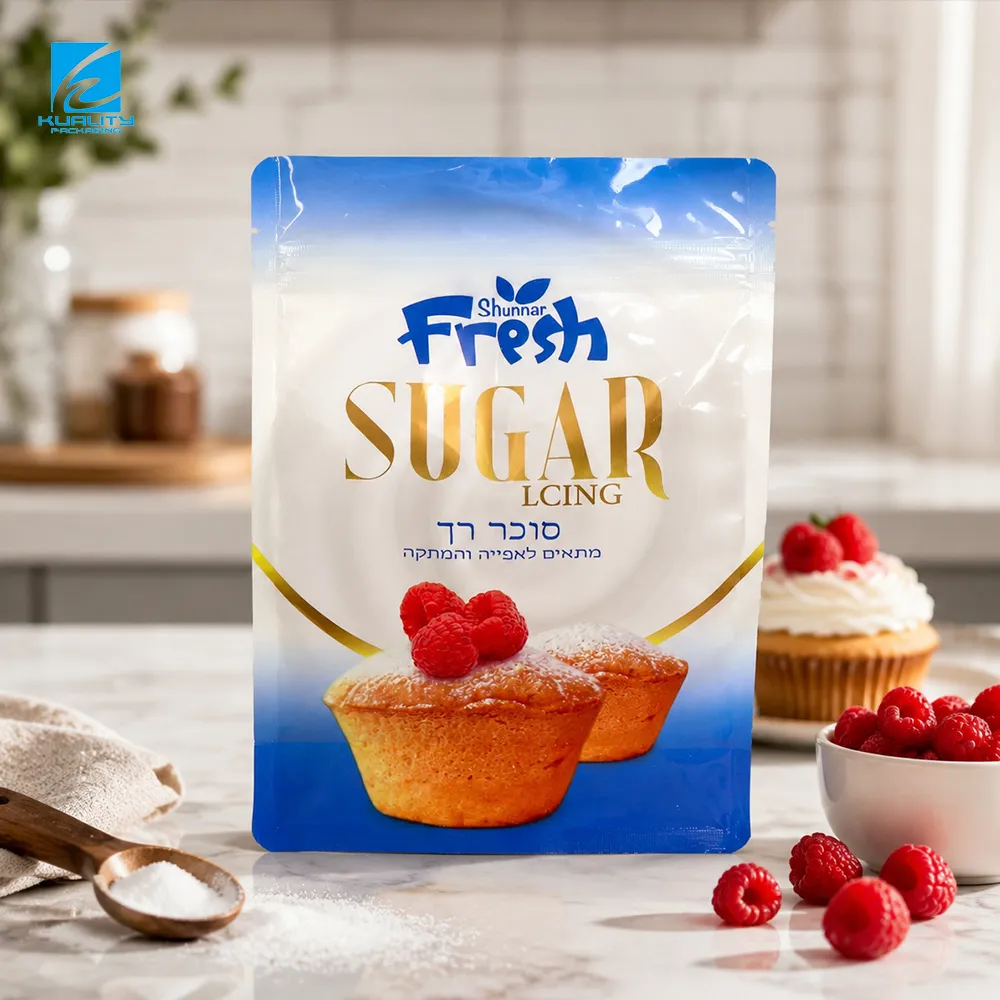
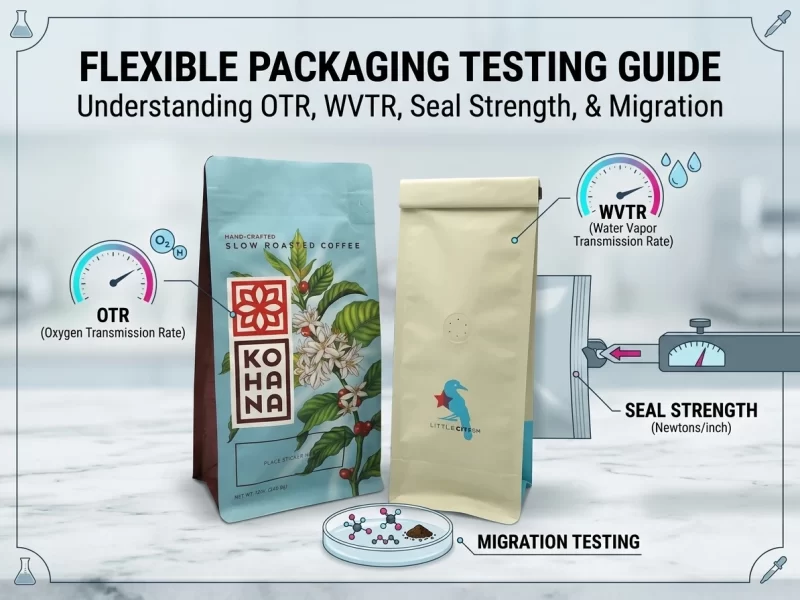
Flexible packaging testing is essential for verifying barrier performance, sealing reliability, and food-contact safety before mass production. Key tests such as Oxygen Transmission Rate (OTR), Water Vapor Transmission Rate (WVTR), seal strength, and migration testing help brands confirm that packaging can protect products throughout shelf life, transportation, and storage. With over 25 years of experience, 후이양 포장 provides OEM/ODM flexible packaging solutions supported for global food, daily chemical, pharmaceutical, and cosmetic industries.
What Is Flexible Packaging Testing and Why Is It Important?
Flexible packaging testing evaluates whether pouches, films, and laminated packaging materials can provide the required protection, sealing performance, and safety before commercial production.
For brands and packaging buyers, attractive printing is only one part of successful packaging. A pouch must also prevent oxygen and moisture penetration, maintain seal integrity, avoid harmful migration, and survive filling, transportation, and storage.

A professional flexible packaging testing process helps flexible packaging manufacturers and buyers answer critical questions:
- Can the packaging protect product freshness?
- Can the seal withstand transportation stress?
- Does the material meet food-contact requirements?
- Will the package maintain performance throughout shelf life?
- Is the packaging structure suitable for the intended product?
For food, beverage, pharmaceutical, and cosmetic packaging, testing data provide objective evidence that the selected material structure meets performance expectations.
According to the U.S. Department of Agriculture (USDA) packaging requirements, oxygen transmission rate (OTR), water vapor transmission rate (WVTR), seal performance, and foreign substance transfer are important factors for evaluating flexible pouch performance.
What Are the Main Types of Flexible Packaging Testing?
The main types of flexible packaging testing include barrier testing, seal performance testing, migration testing, physical strength testing, and package integrity testing.
Different tests evaluate different risks:
| Testing Type | Main Purpose | Common Applications |
|---|---|---|
| OTR Testing | Measures oxygen penetration through packaging | Coffee, snacks, meat, pet food |
| WVTR Testing | Measures moisture transmission | Powder, dried food, pharmaceuticals |
| Seal Strength Testing | Evaluates heat-seal performance | Pouches, vacuum bags, spout pouches |
| Migration Testing | Confirms food-contact safety | Food and beverage packaging |
| Tensile Testing | Measures material strength | Heavy-duty packaging |
| Leak Testing | Detects package failures | Liquid and vacuum packaging |
A complete testing program does not rely on one single measurement. A packaging structure may have excellent barrier properties but still fail if the seal is weak or the finished pouch design is unsuitable.
This is why professional buyers evaluate packaging performance as a complete system.
What Is OTR Testing in Flexible Packaging?
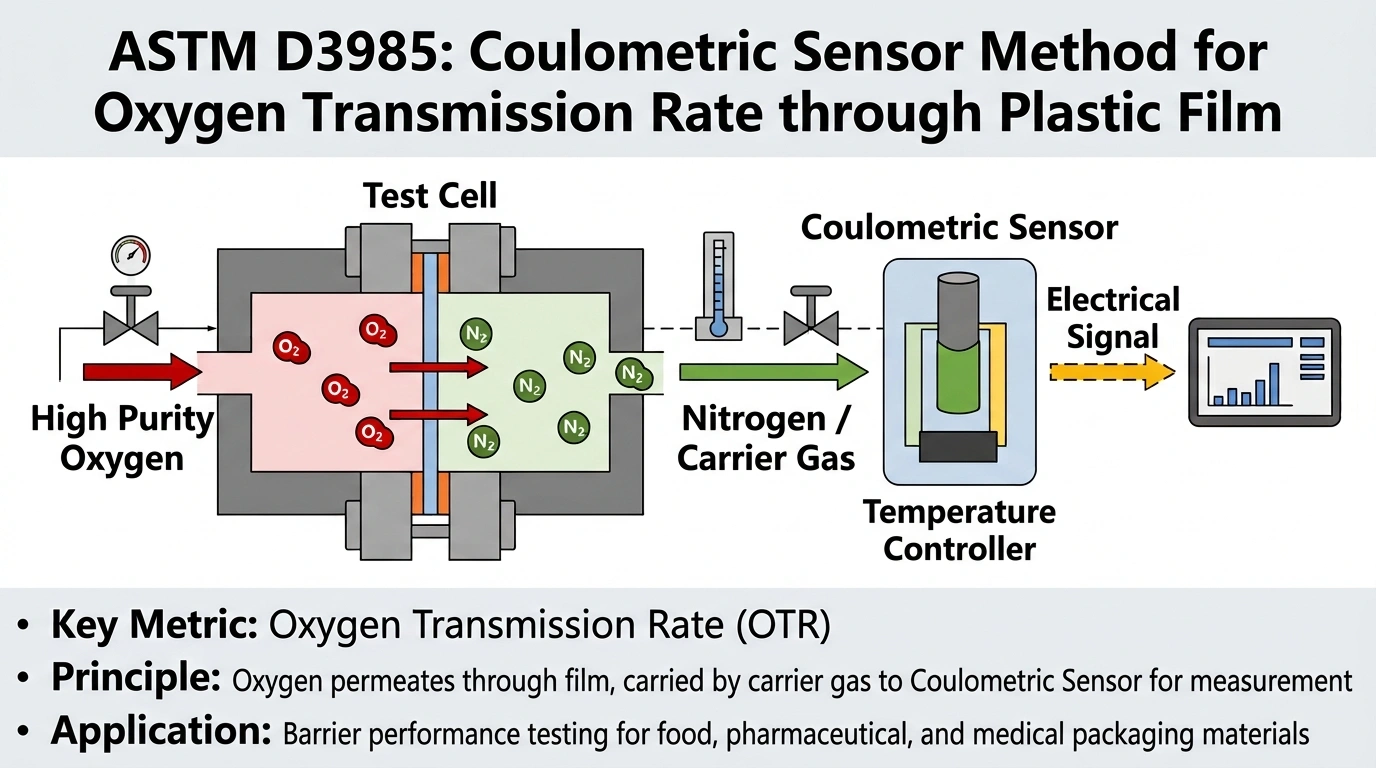
OTR testing measures how much oxygen passes through a packaging material over a specific period under controlled test conditions.
Oxygen transmission rate is especially important for products that are sensitive to oxidation.
예를 들면 다음과 같습니다:
- 커피
- Nuts
- 간식
- 육류 제품
- Nutritional supplements
- 반려동물 사료
A lower OTR value indicates stronger oxygen barrier performance.
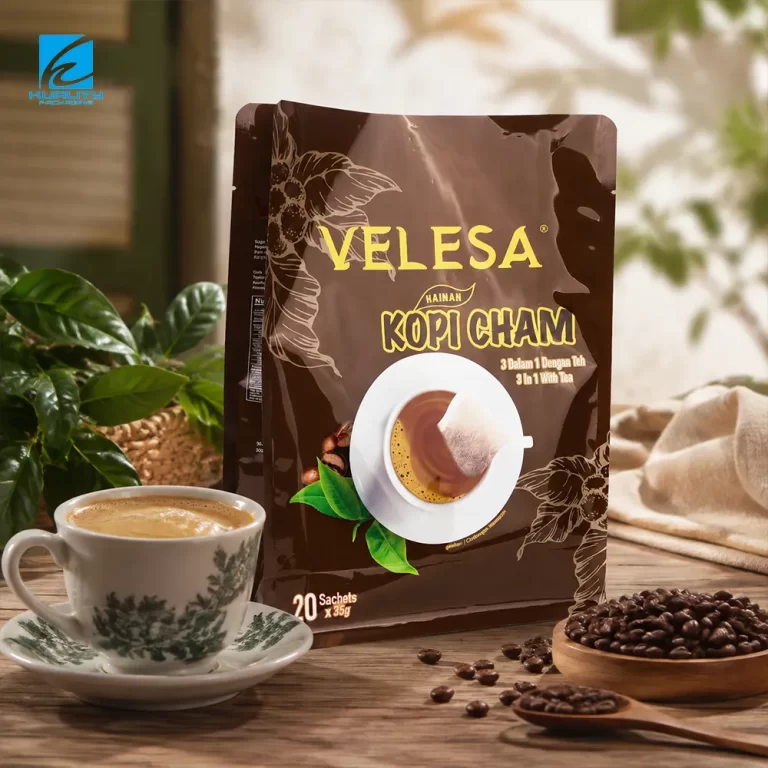
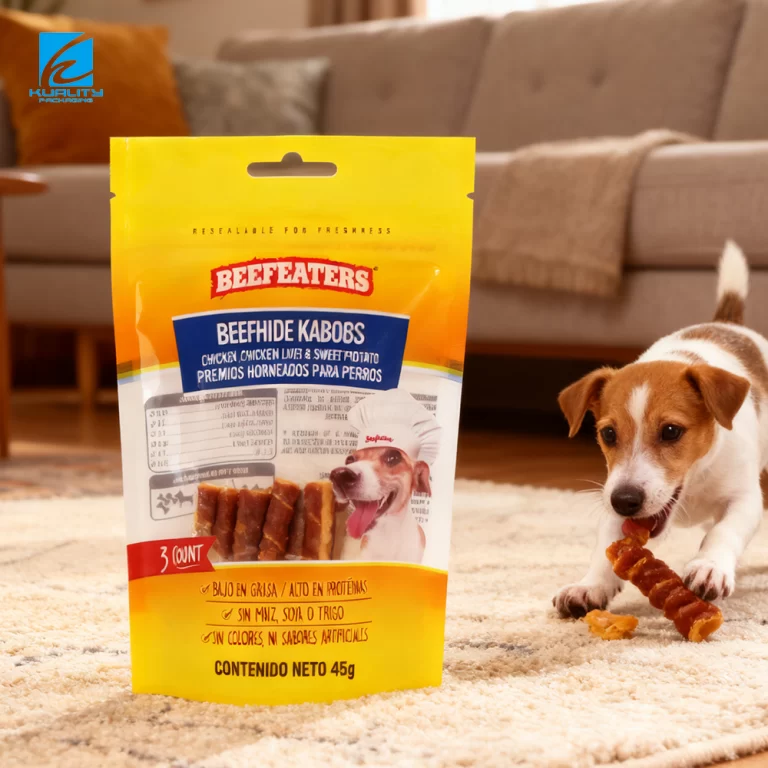
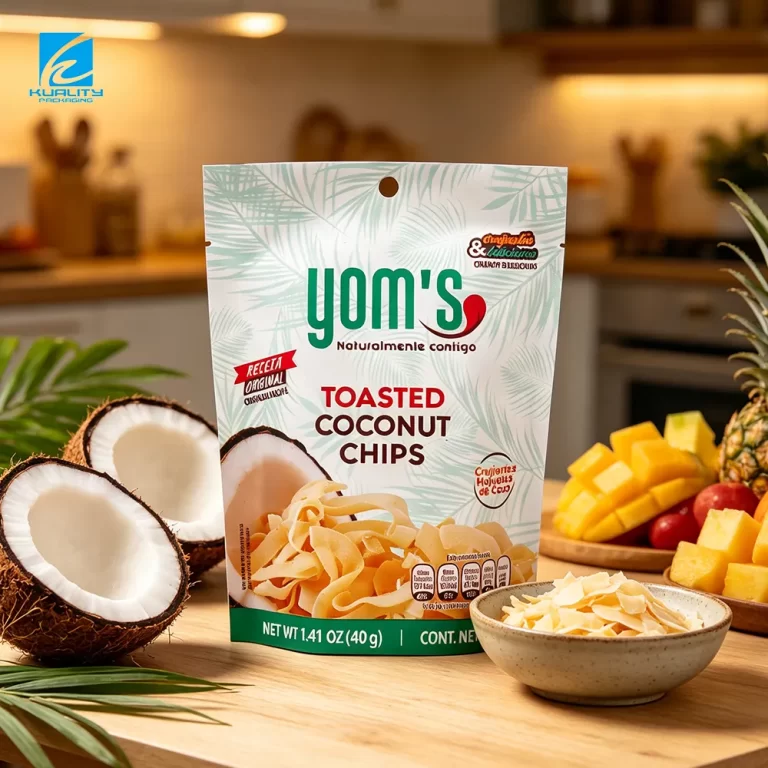
The common testing standard is ASTM D3985, which evaluates oxygen transmission through plastic film and sheeting using a coulometric sensor method.
However, buyers should understand one important point:
An OTR value is meaningful only when the testing conditions are provided.
A professional OTR report should include:
- Testing temperature
- Relative humidity
- Sample structure
- Material thickness
- Testing method
- Unit measurement
For example, the same laminate may show different OTR results under different temperature and humidity conditions.
Therefore, comparing packaging suppliers only by one OTR number can create misleading conclusions.
What Is WVTR Testing in Flexible Packaging?
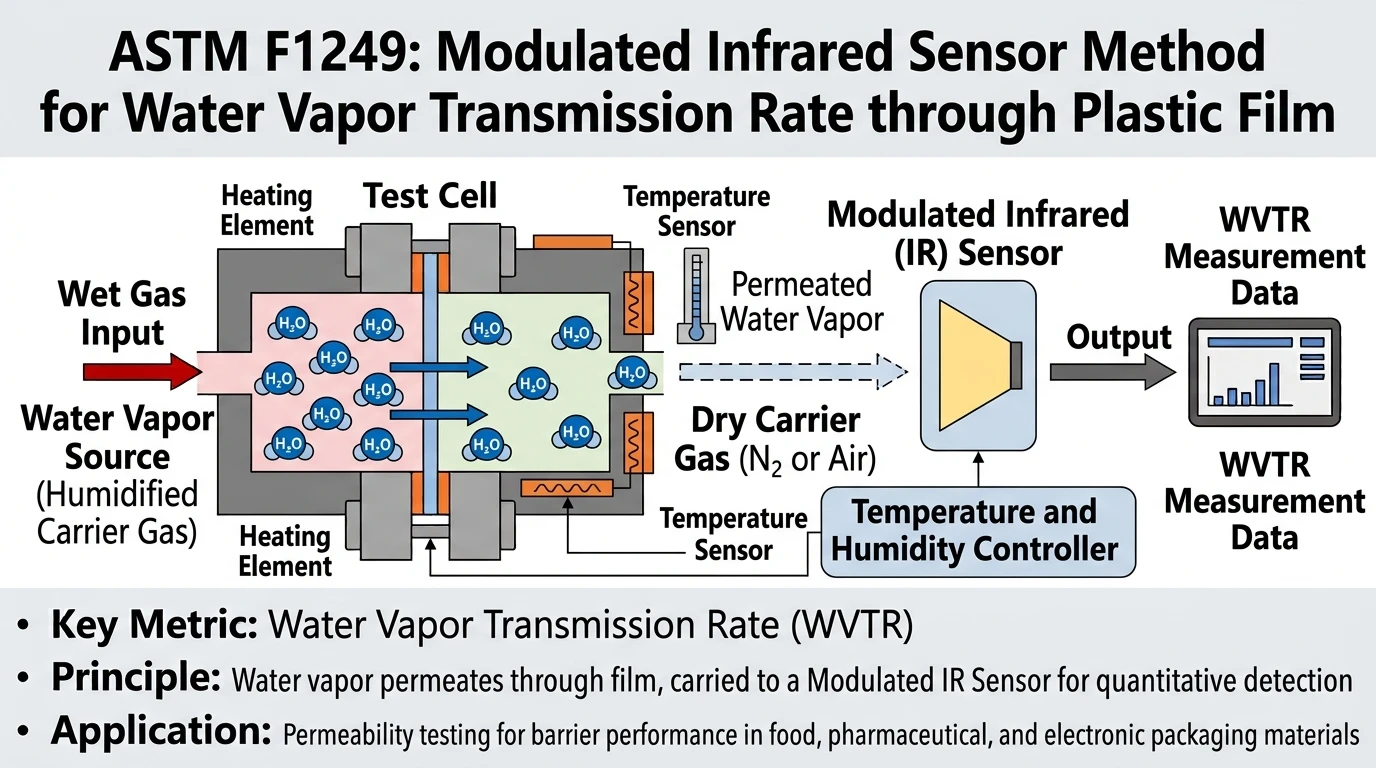
WVTR testing measures the amount of water vapor that passes through packaging materials over time.
WVTR is critical for products affected by moisture absorption or moisture loss.
Typical applications include:
| Product Type | Why WVTR Matters |
|---|---|
| 파우더 제품 | Prevents caking |
| Crackers and snacks | Maintains crispness |
| 커피 | Protects flavor |
| Pharmaceutical products | Maintains stability |
| Dry ingredients | Prevents moisture damage |
WVTR is commonly evaluated according to ASTM F1249 for flexible barrier materials.
A packaging buyer should not select a structure only because it has a low WVTR value.
The correct structure depends on:
- Product sensitivity.
- Expected shelf life.
- Storage environment.
- Distribution conditions.
- Filling process.
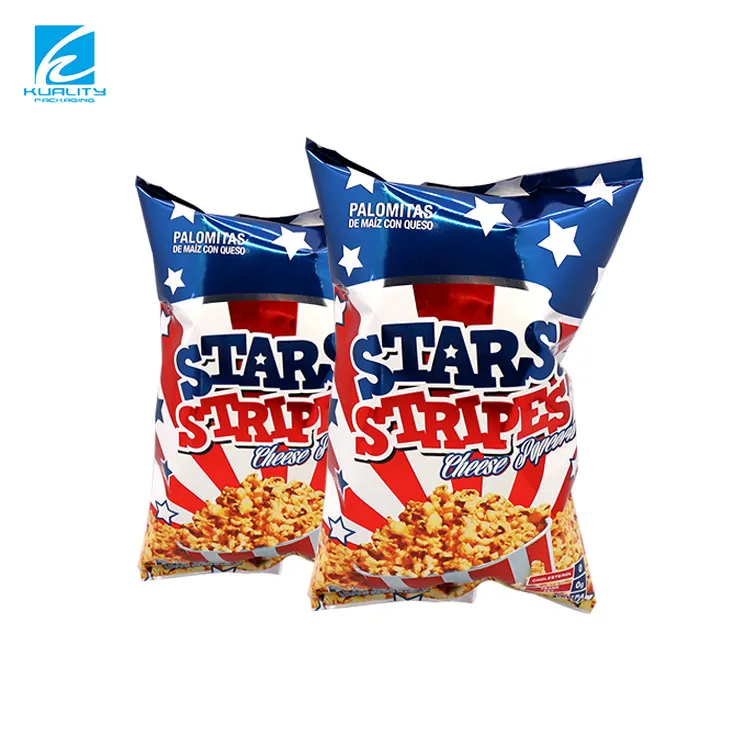
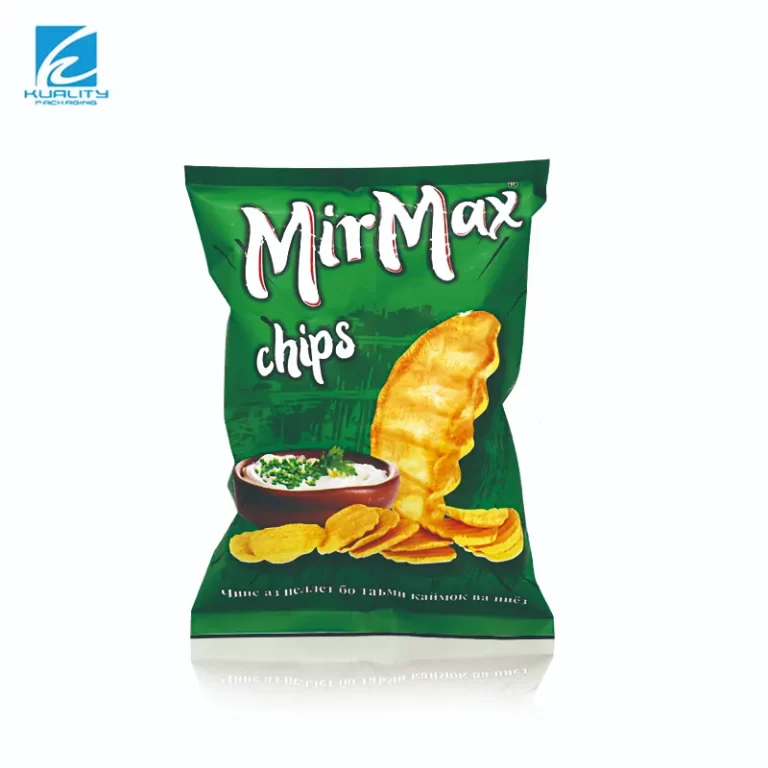
For example, a snack manufacturer shipping products to humid regions may require different moisture protection compared with a local-market product.
Why Is Seal Strength Testing Important for Flexible Packaging?
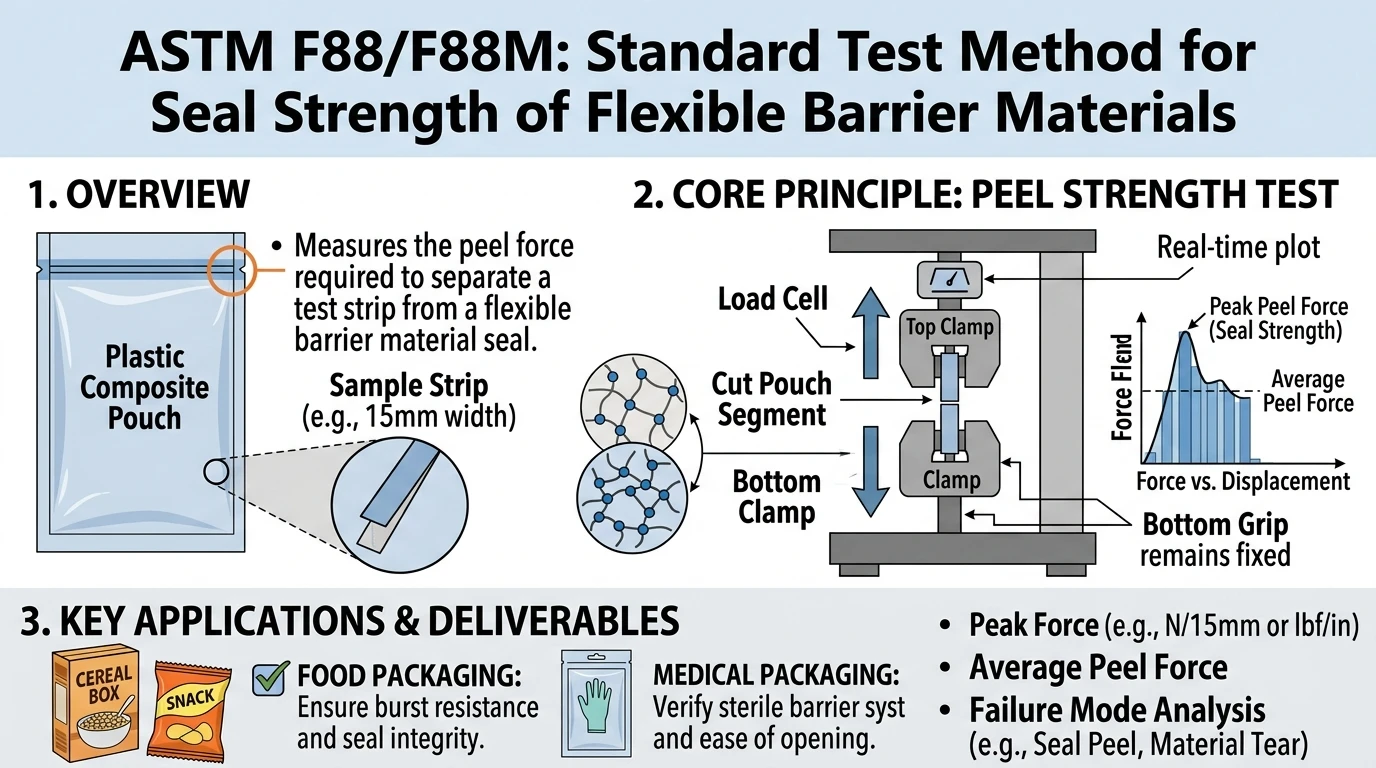
Seal strength testing measures the force required to separate a heat seal and confirms whether the package can maintain integrity during production, transportation, and storage.
A strong seal prevents:
- Product leakage
- Contamination
- Oxygen or moisture entry
- Customer complaints
- Transportation failures
Seal strength testing commonly follows ASTM F88/F88M standards for flexible barrier materials.
The key factors affecting seal strength include:
| Factor | Impact on Seal Performance |
|---|---|
| Seal temperature | Determines bonding quality |
| Pressure | Influences seal consistency |
| Dwell time | Controls heat exposure |
| Film structure | Affects sealing compatibility |
| Contamination | May weaken sealing areas |
For pouch manufacturers, seal testing should not only measure strength but also examine failure patterns.
For example:
- Film tearing indicates strong bonding.
- Seal separation indicates insufficient bonding.
- Channel leaks indicate sealing defects.
This provides more useful production information than a single strength number.
What Is Migration Testing for Flexible Packaging?
Migration testing evaluates whether substances from packaging materials can transfer into food or other products under defined conditions.
For food-contact packaging, migration testing is essential because packaging materials directly contact consumable products.
Migration testing commonly evaluates:
| Test Type | 목적 |
|---|---|
| Overall Migration Test | Measures total transferred substances |
| Specific Migration Test | Measures specific regulated substances |
| Heavy Metal Testing | Checks restricted elements |
| Residual Solvent Testing | Evaluates solvent residues |
Food-contact packaging regulations require flexible packaging manufacturers to ensure that packaging materials do not introduce unsafe substances into food.
For European markets, food-contact plastic materials are regulated under EU Regulation No. 10/2011, which establishes requirements for plastic materials intended to contact food.
For international buyers, requesting migration documentation helps confirm that packaging is suitable for the target market.
How Do OTR, WVTR, Seal Strength, and Migration Work Together?
The four major tests evaluate different packaging risks, and together they provide a complete understanding of packaging performance.
| Test | Answers Which Question? |
|---|---|
| OTR | Can oxygen enter the package? |
| WVTR | Can moisture pass through the package? |
| 씰 강도 | Can the package remain closed? |
| Migration | Is the packaging safe for product contact? |
A common purchasing mistake is focusing only on barrier performance.
For example:
A pouch may have excellent oxygen resistance but fail because:
- The zipper area leaks.
- The heat seal is contaminated.
- The material structure is unsuitable.
- Migration requirements are not met.
The unique B2B insight is:
Packaging performance depends on the weakest part of the package system, not the strongest laboratory result.
This means buyers should evaluate the complete pouch structure, including film layers, seals, accessories, and production process.
How Should Buyers Conduct Flexible Packaging Testing Before Mass Production?
Before approving large-volume production, buyers should complete a structured testing process.
Recommended steps include:
- Define product requirements. Confirm product type, shelf life, storage conditions, and distribution environment.
- Select packaging structure. Choose suitable materials based on barrier, strength, and safety requirements.
- Review supplier testing documents. Check OTR, WVTR, seal strength, migration, and other relevant reports.
- Test packaging samples. Evaluate actual pouches under filling and handling conditions.
- Conduct production validation. Confirm performance during real manufacturing conditions.
- Approve final specifications. Establish acceptance criteria before mass production.
This process reduces the risk of packaging failures after market launch.
What Flexible Packaging Quality Control Should Manufacturers Provide?
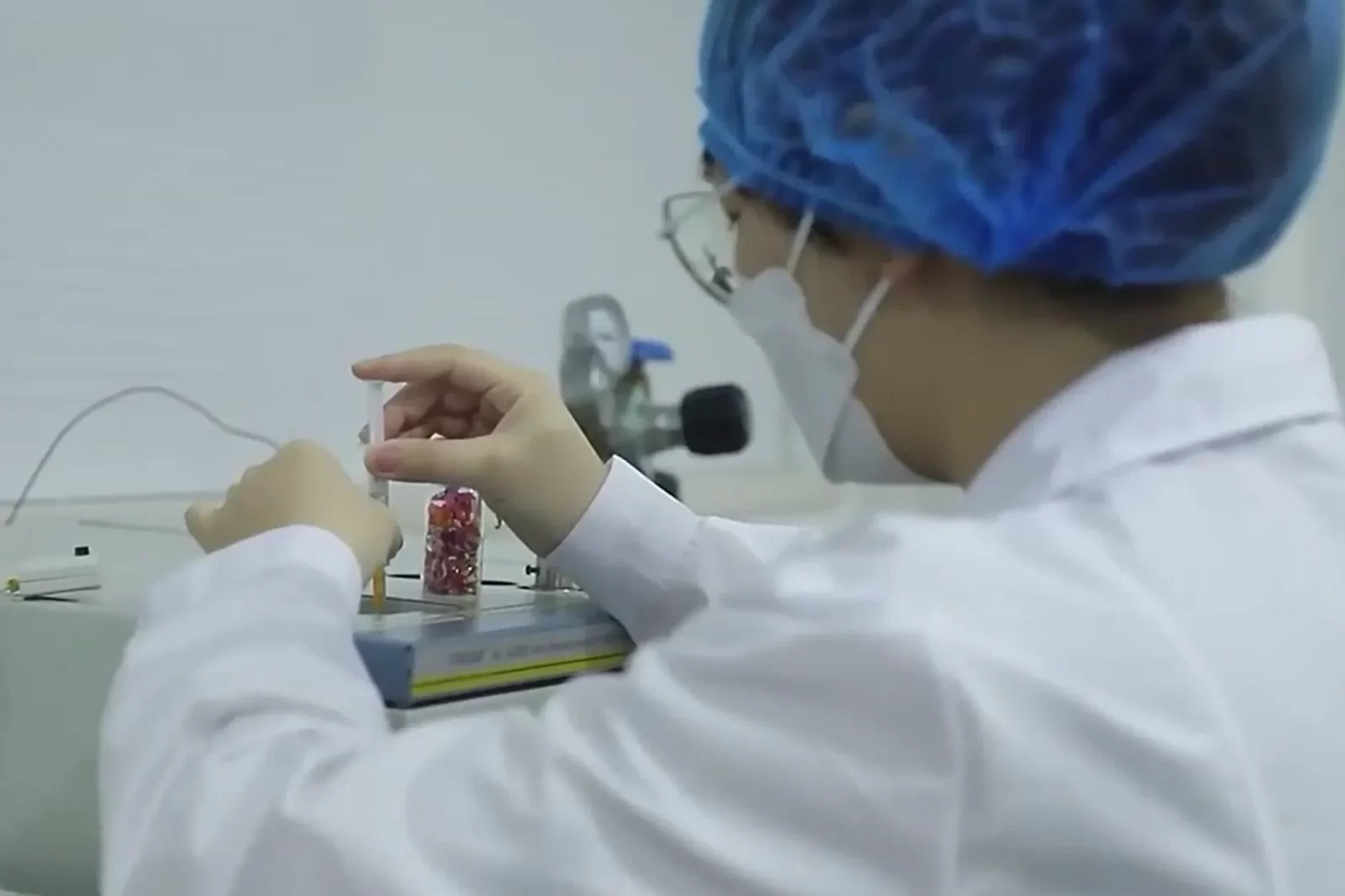
전문적인 flexible packaging manufacturers should provide quality control throughout material selection, printing, lamination, and finished pouch production.
A complete quality system includes:
| Production Stage | Quality Control Focus |
|---|---|
| Material inspection | Film quality and specifications |
| 인쇄 | Color accuracy and ink adhesion |
| Lamination | Bond strength and curing |
| Bag making | Dimensions and sealing |
| Finished product | Appearance and performance inspection |
How Does Huiyang Packaging Support Flexible Packaging Testing Requirements?
후이양 포장 provides OEM/ODM flexible packaging solutions supported by advanced printing, lamination, and bag-making equipment, helping global customers develop reliable packaging products.
With more than 25 years of industry experience, 후이양 포장 serves the food, daily chemical, pharmaceutical, and cosmetic industries with products including:
- 스탠드업 파우치
- 주둥이가 달린 파우치
- Vacuum bags
- Flat-bottom bags
- Pillow bags
- Cold seal films
- Roll films
The company follows ISO9001 quality management requirements and supports SGS/FDA-related compliance standards to provide safe and stable packaging solutions.
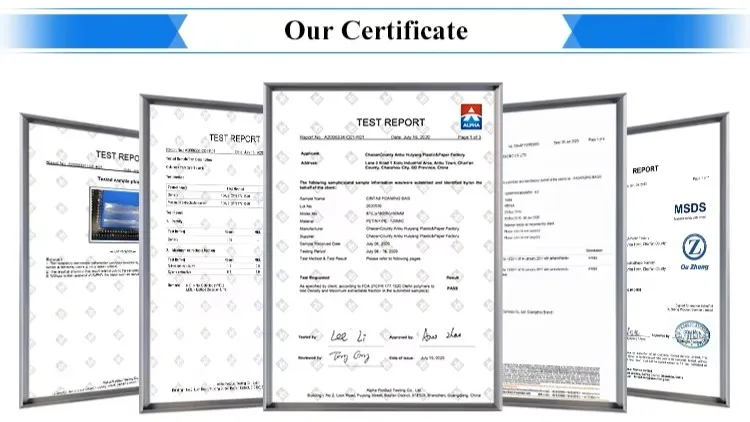
From material selection and structural design to production inspection, 후이양 포장 helps customers evaluate packaging performance before products enter the market.
자주 묻는 질문
1. What is flexible packaging testing?
Flexible packaging testing is the process of evaluating packaging materials and finished pouches for barrier performance, sealing strength, safety, and durability.
2. Why are OTR and WVTR important?
OTR protects products from oxygen exposure, while WVTR controls moisture transmission. Both influence product freshness and shelf life.
3. What does seal strength testing measure?
Seal strength testing measures how much force is required to separate a package seal and helps confirm packaging reliability.
4. Is migration testing required for food packaging?
Yes. Food-contact packaging requires migration evaluation to confirm that materials meet applicable safety requirements.
5. Can packaging pass OTR and WVTR tests but still fail?
Yes. Packaging can fail because of weak seals, leakage, poor design, or unsuitable production conditions.
6. How can buyers choose the right flexible packaging supplier?
결론
Flexible packaging testing is a critical step for ensuring packaging safety, durability, and product protection. OTR, WVTR, seal strength, and migration testing provide essential data for selecting the right packaging structure and preventing costly failures.
후이양 포장 is a professional OEM/ODM flexible packaging manufacturer with over 25 years of industry experience. Equipped with advanced printing, lamination, and bag-making production systems, Huiyang provides customized packaging solutions for global brands, importers, and distributors. With strict quality management and comprehensive production capabilities, 후이양 포장 helps customers develop safe, reliable, and high-performance flexible packaging products.
연락처 후이양 포장 today to discuss your flexible packaging requirements and receive professional OEM packaging solutions designed for your products and markets.