


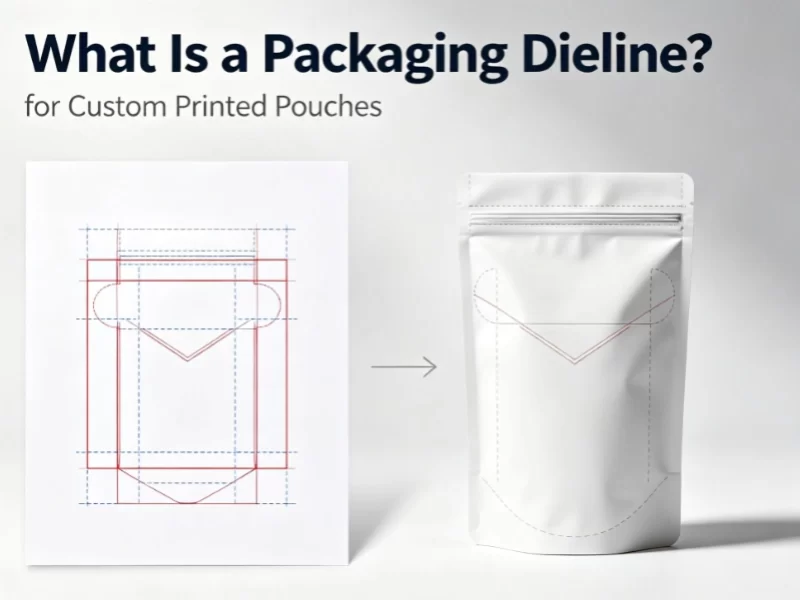
A packaging dieline is the technical blueprint that defines the cutting, sealing, printing, and functional structure of custom printed pouches before mass production. It ensures that logos, product information, zipper positions, spouts, tear notches, and sealing areas are correctly placed. For brands, importers, and distributors, a professional dieline reduces production errors, material waste, and costly revisions. With over 25 years of flexible packaging experience, 惠洋包装 提供する OEM/ODM pouch solutions supported by advanced printing, lamination, bag-making capabilities, ISO9001 quality management, and SGS/FDA-compliant production standards.
カスタムプリントのパウチにおける「パッケージ用ダイライン」とは何ですか?
A packaging dieline is a flat technical design template that shows the exact structure, cutting lines, sealing areas, and artwork placement of a custom printed pouch before manufacturing. It connects creative packaging design with real production requirements.
For flexible packaging, a dieline is not simply an image template. It defines where the pouch will be cut, where seals will be formed, where zippers or spouts will be installed, and where important brand information should be positioned.
Unlike carton packaging, pouch production relies on heat sealing rather than folding. Therefore, a pouch dieline focuses on:
- Cutting dimensions
- Front and back panel layout
- Gusset structure
- Seal zones
- Zipper or spout placement
- Tear notch position
- Printing safe area
- Barcode and regulatory information placement
A correctly prepared packaging dieline helps フレキシブル packaging manufacturers transform a digital design into a functional pouch that can be printed, laminated, converted, filled, and shipped efficiently.
According to packaging industry guidelines, a dieline acts as a production blueprint that defines where packaging materials are cut, folded, or assembled before manufacturing.
Why Is a Packaging Dieline Important for Custom Printed Pouches?
A packaging dieline is important because it prevents design mistakes, improves production accuracy, and ensures that the final pouch matches both brand expectations and manufacturing requirements.
Many packaging problems do not happen during printing. They happen earlier, when artwork is created without considering the actual pouch structure.
Common issues caused by incorrect dielines include:
| Problem | Production Result |
|---|---|
| Logo placed too close to edge | Brand elements may be cut off |
| Incorrect seal area | Text or graphics may disappear during sealing |
| Wrong zipper position | Poor user experience |
| Incorrect spout placement | Functional failure |
| Missing bleed area | White edges after cutting |
| Wrong gusset design | Pouch cannot stand properly |
For brands launching new products, fixing these issues after printing can create additional costs, delays, and wasted materials.
A professional packaging dieline allows designers, manufacturers, and buyers to review the complete pouch structure before production begins.
What Information Does a Pouch Dieline Include?
A pouch dieline includes structural and printing information that guides the entire manufacturing process.
The main elements include:
| Dieline Element | Function |
|---|---|
| 切り取り線 | Defines the final pouch shape |
| Seal area | Shows where heat sealing occurs |
| ブリード領域 | Provides extra printing space beyond cutting lines |
| Safe zone | Protects important text and logos |
| Fold or gusset line | Defines pouch expansion structure |
| Zipper position | Shows resealable closure placement |
| Spout position | Defines liquid pouch opening location |
| ティアノッチ | Indicates easy-opening location |
A packaging dieline also separates functional areas from visual areas. This allows designers to create attractive artwork without interfering with manufacturing.
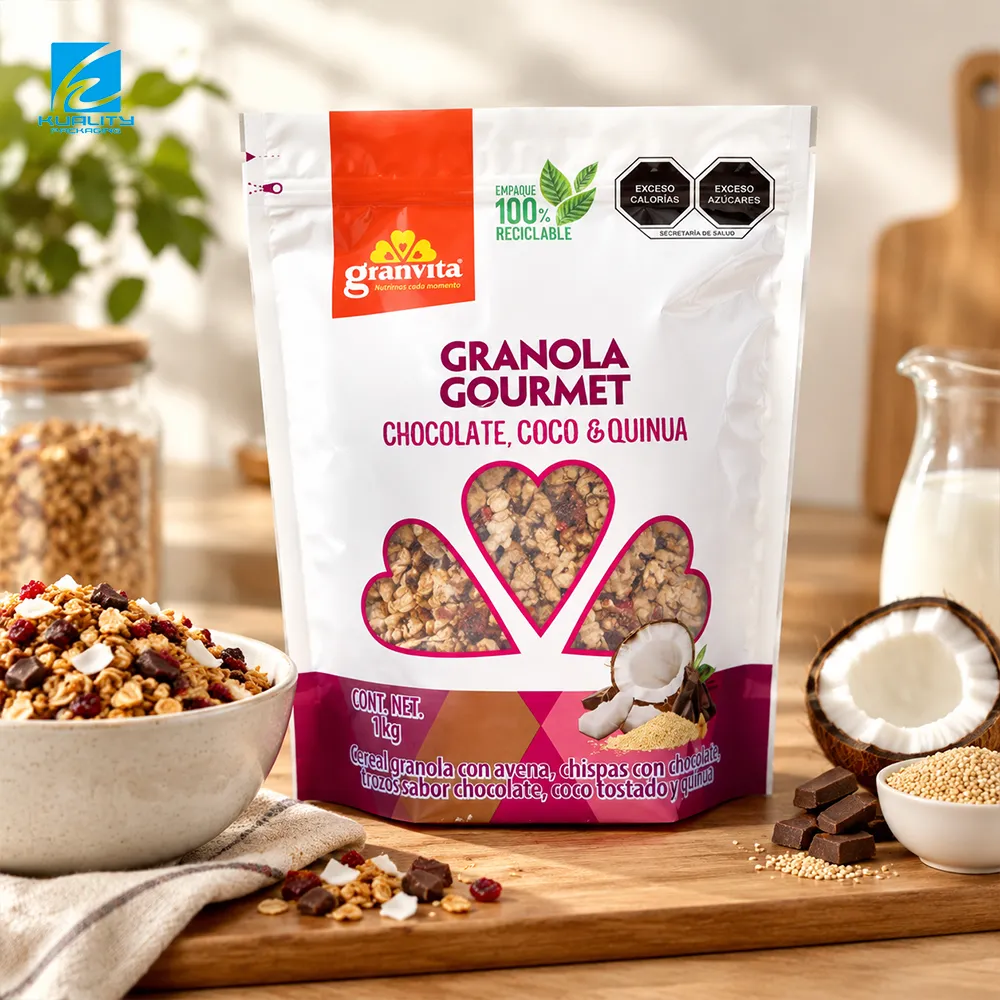
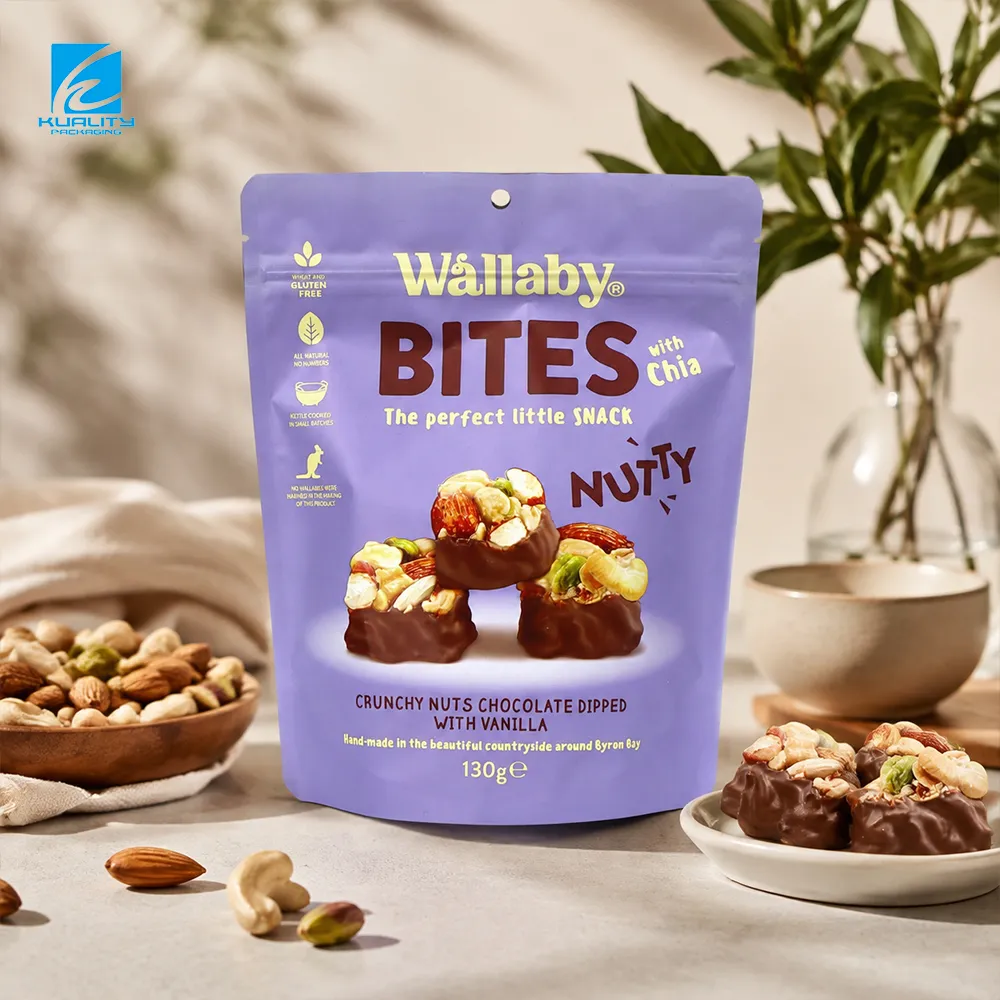
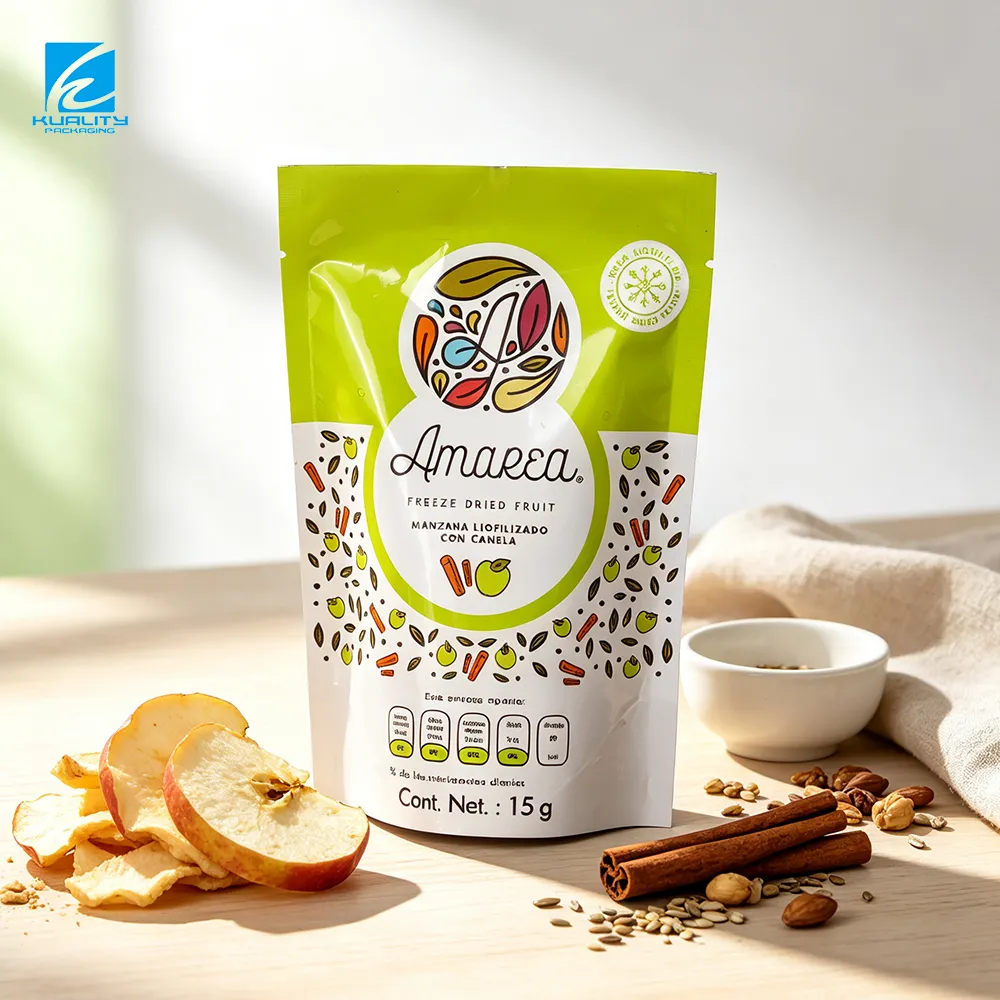
For example, a stand-up pouch may have a large front display area for branding, but the bottom gusset and side seals require technical spacing to ensure proper forming.
How Is a Packaging Dieline Created for Custom Pouches?
A packaging dieline is created based on the pouch structure, product requirements, material selection, and manufacturing equipment.
The typical process includes:
- Confirm pouch style: Determine whether the product requires a stand-up pouch, flat pouch, spout pouch, zipper pouch, vacuum bag, or other structure.
- Define product dimensions: Confirm pouch width, height, gusset depth, filling volume, and sealing requirements.
- Select material structure: Choose suitable film combinations according to barrier requirements, such as:
- PET/PE
- PET/AL/PE
- BOPP/VMPET/PE
- Mono-material PE structures
- Create technical layout: The manufacturer develops the pouch structure, including cutting areas, sealing zones, and functional components.
- Place artwork: Designers add logos, images, product information, barcodes, and regulatory labels according to the dieline.
- Review and approve: The final file is checked before printing and mass production.
This process ensures that the visual design and manufacturing requirements work together.
What Is the Difference Between a Pouch Dieline and Packaging Artwork?
A pouch dieline defines the physical structure, while packaging artwork defines the visual appearance of the final product.
| Item | Packaging Dieline | Packaging Artwork |
|---|---|---|
| Main purpose | Manufacturing structure | Brand presentation |
| Includes | Cutting, sealing, functional areas | Colors, images, text, logos |
| Used by | Engineers and production teams | Designers and marketing teams |
| Changes | Based on pouch structure | Based on branding strategy |
A common mistake is designing artwork first and trying to fit it onto a pouch later.
For custom printed pouches, the correct workflow is:
Pouch structure → Packaging dieline → Artwork design → Proof approval → Mass production
This approach reduces redesign work and improves production efficiency.
How Does a Packaging Dieline Improve Custom Printed Pouch Quality?
A packaging dieline improves quality by ensuring accurate printing, correct sealing, and consistent pouch performance during mass production.
について flexible packaging manufacturers, quality depends on both visual accuracy and structural performance.
A well-designed dieline helps control:
| Quality Factor | Benefit |
|---|---|
| Print registration | Clear and accurate graphics |
| Seal placement | Reliable pouch strength |
| Functional accessories | Correct zipper, spout, or valve position |
| Brand visibility | Better shelf appearance |
| Production efficiency | Fewer errors and less waste |
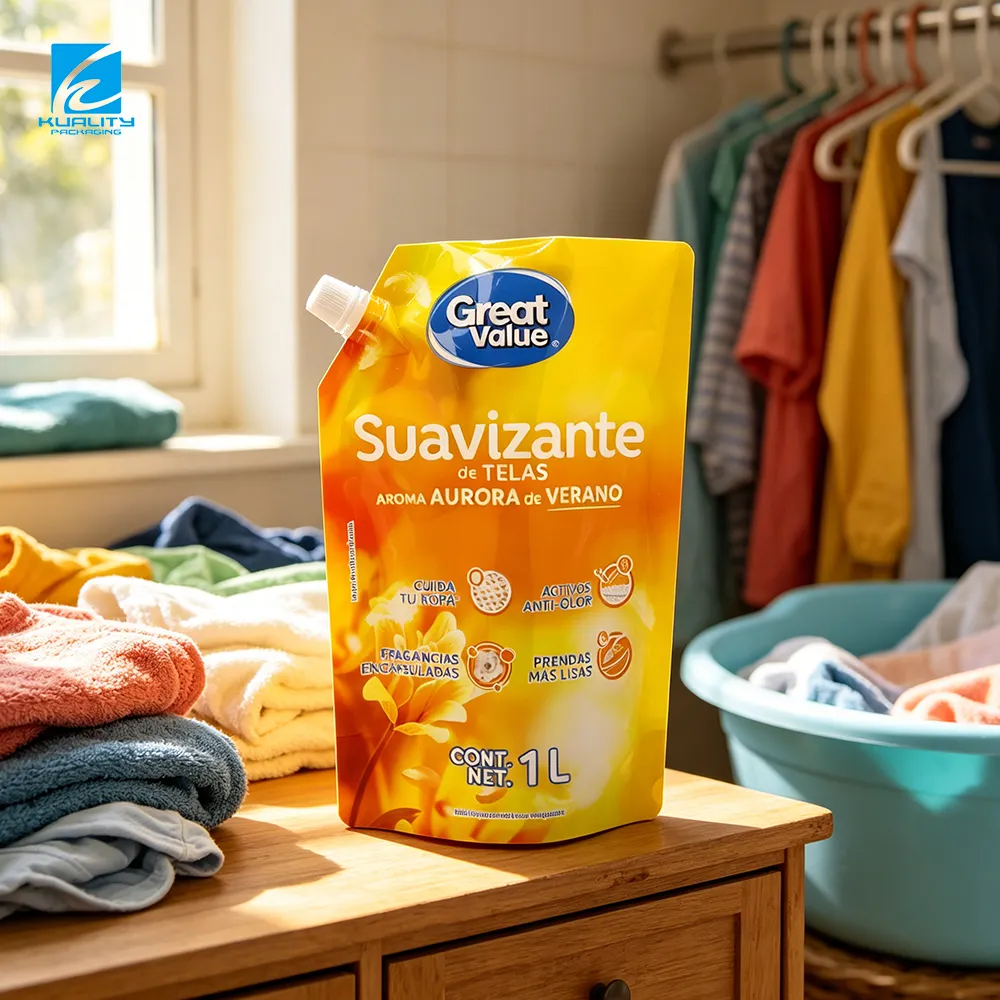
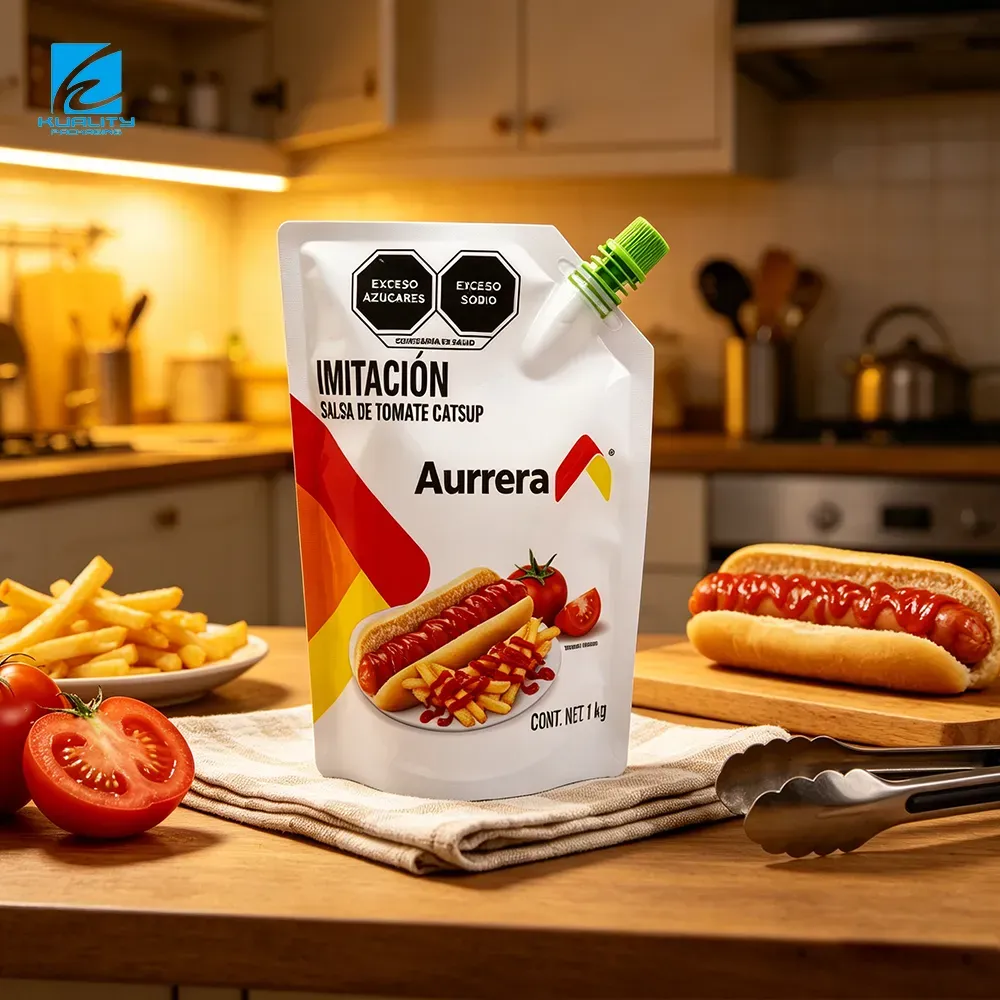
For example, a beverage brand using a spout pouch must ensure that the spout does not overlap with important product information or affect the sealing area.
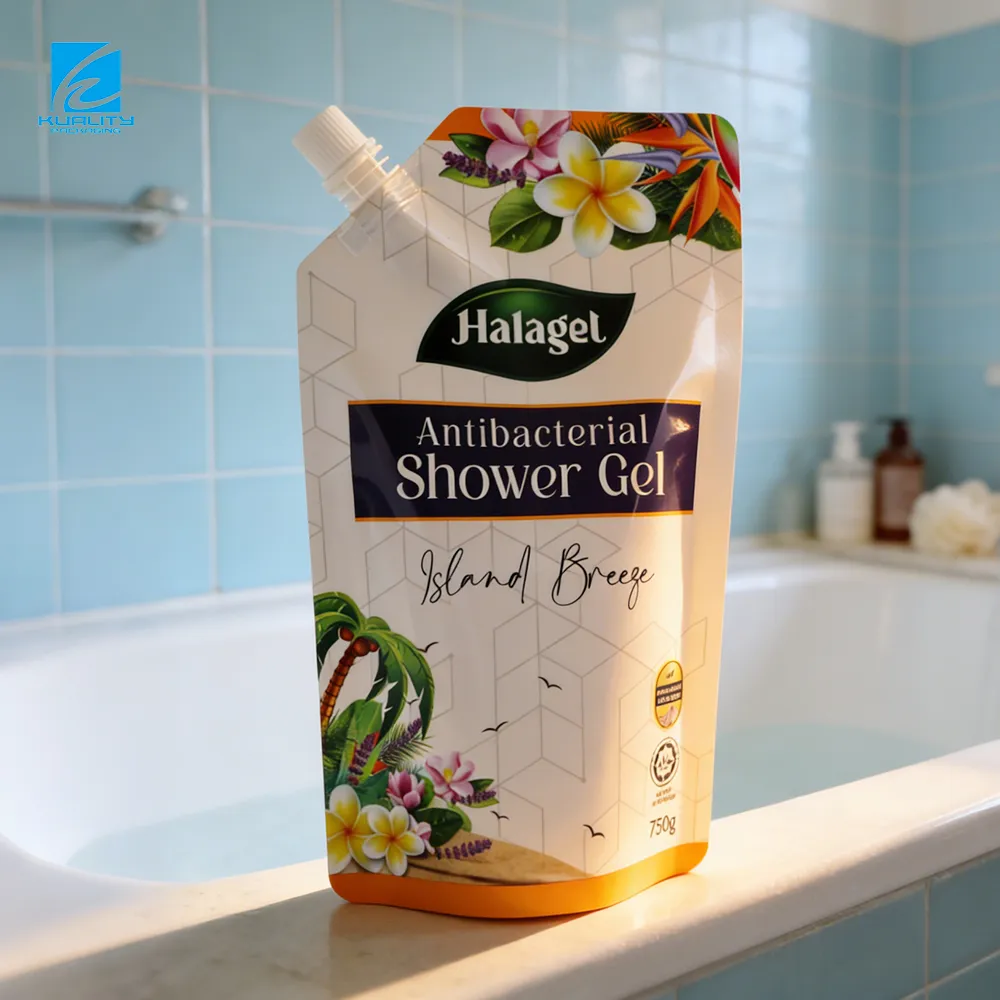
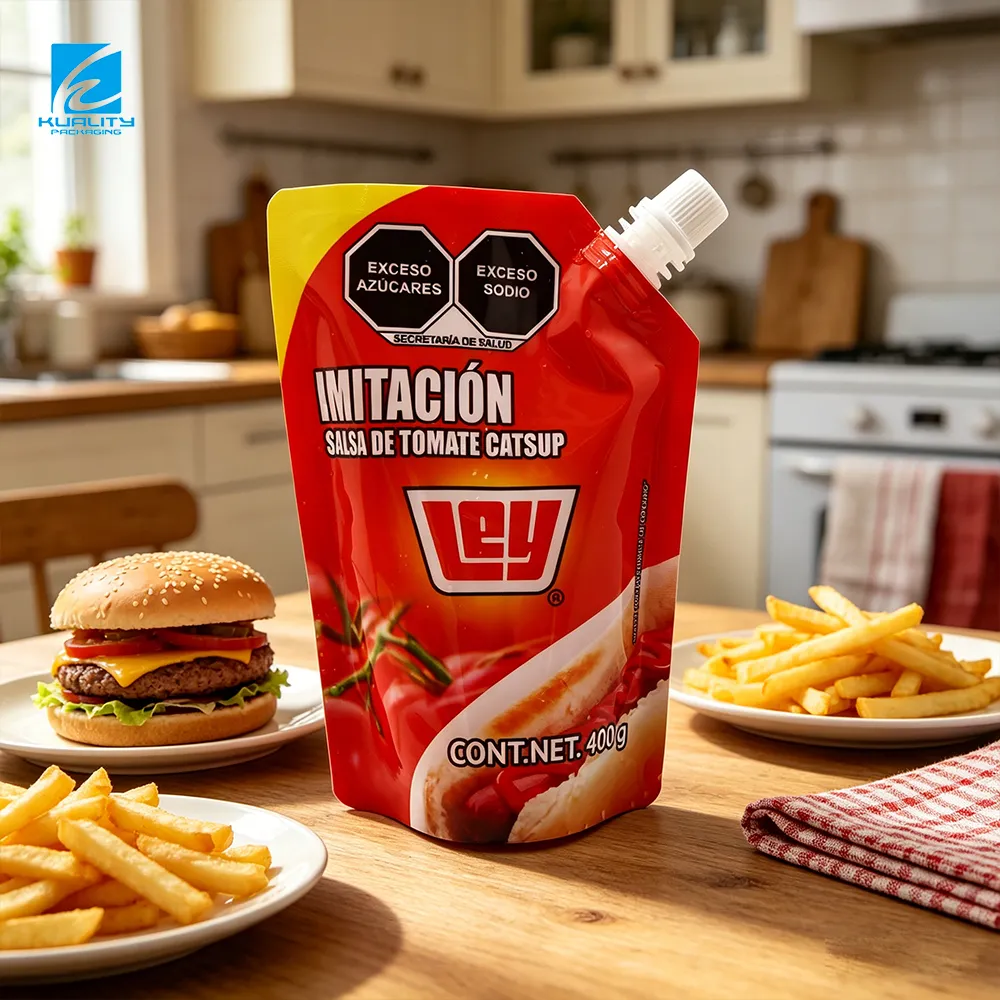
A correct dieline solves these issues before production starts.
What Are Common Packaging Dieline Mistakes to Avoid?
The most common dieline mistakes include incorrect dimensions, ignoring sealing areas, poor artwork placement, and using generic templates without manufacturer verification.
Common mistakes include:
- Creating artwork without the manufacturer’s dieline.
- Placing important text too close to pouch edges.
- Ignoring zipper, spout, or valve positions.
- Using unsuitable bleed settings.
- Forgetting barcode and compliance label requirements.
- Changing pouch dimensions after artwork completion.
- Skipping prototype or proof approval.
For B2B buyers, one important consideration is that a dieline should be created according to the actual production equipment and pouch-making process.
A template downloaded online may look correct but may not match the メーカー‘s sealing technology or machinery tolerance.
How Can a Dieline Help Reduce Packaging Production Costs?
A packaging dieline reduces costs by preventing printing mistakes, minimizing material waste, and improving communication between brands and flexible packaging manufacturers.
The cost-saving benefits include:
| Cost Area | How Dieline Helps |
|---|---|
| 印刷 | Prevents incorrect artwork placement |
| 材料 | Avoids unnecessary reprints |
| Production time | Reduces adjustment cycles |
| Quality control | Detects issues earlier |
| Product launch | Speeds up approval process |
For large-volume packaging orders, even a small design error can create significant financial losses.
A verified packaging dieline allows buyers to approve the structure before thousands of pouches enter production.
How Should Brands Prepare a Packaging Dieline for OEM Pouches?
Brands should work closely with their 軟包装メーカー because the supplier understands material performance, production limitations, and functional requirements.
Before approving a dieline, buyers should confirm:
- Pouch dimensions are correct.
- Material structure meets product requirements.
- Printing colors and artwork placement are approved.
- Seal areas are clearly defined.
- Zippers, spouts, and accessories are correctly positioned.
- Regulatory information is included.
- Final proof samples are reviewed.
For OEM/ODM packaging projects, early cooperation between designers and the 軟包装メーカー creates better results.
The flexible 包装メーカー can provide technical suggestions that improve both packaging appearance and production reliability.

How Does Huiyang Packaging Support Custom Printed Pouch Projects?
惠洋包装 supports global brands with complete OEM/ODM flexible packaging solutions, from material development and packaging design support to printing, lamination, and finished pouch manufacturing.
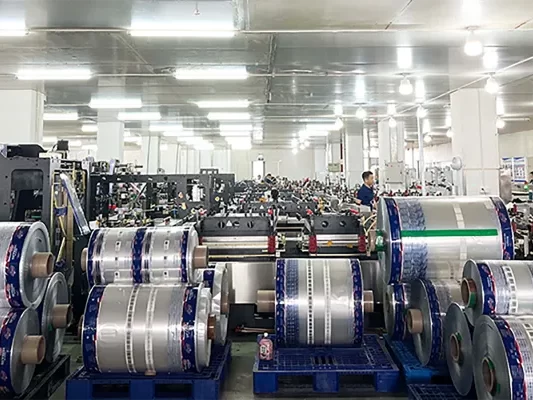
With more than 25 years of industry experience, 惠洋包装 operates advanced production facilities equipped with high-speed printing, laminating, and bag-making equipment.
The company provides various flexible packaging solutions, including:
- スタンドポーチ
- Spout pouches
- Vacuum bags
- Flat-bottom bags
- Pillow bags
- Cold seal films
- Roll films
Supported by ISO9001 quality management and SGS/FDA-related compliance standards, 惠洋包装 helps customers develop safe, stable, and high-quality packaging solutions for food, cosmetics, daily chemicals, and pharmaceutical applications.


よくあるご質問
Q1. What is a packaging dieline?
A packaging dieline is a technical template showing the cutting, sealing, and structural layout of a package before production.
Q2. Is a dieline the same as packaging artwork?
No. A dieline defines the package structure, while artwork contains the visual design elements such as colors, logos, and product information.
Q3. Do custom printed pouches need a dieline?
Yes. Custom printed pouches require a dieline to ensure correct dimensions, printing placement, sealing performance, and functional accessory positioning.
Q4. Can a packaging manufacturer create the dieline?
Yes. Professional packaging manufacturers usually create or verify dielines based on pouch style, materials, equipment, and production requirements.
Q5. Why is a dieline important for OEM packaging?
A dieline improves communication between brands and manufacturers, reduces production errors, and helps ensure consistent quality during mass production.
結論
A professional packaging dieline is the foundation of successful custom printed pouch production. It connects brand creativity with manufacturing accuracy by defining structure, printing areas, sealing positions, and functional requirements before production begins.
惠洋包装 is an experienced OEM/ODM 軟包装メーカー specializing in customized pouch solutions for global brands, importers, wholesalers, and distributors. With advanced production capabilities, strict quality control, and complete packaging support from design to manufacturing, 惠洋包装 helps customers create reliable and market-ready packaging products.
連絡先 惠洋包装 today to develop your custom printed pouches with professional dieline support, flexible customization options, and efficient OEM packaging solutions.