


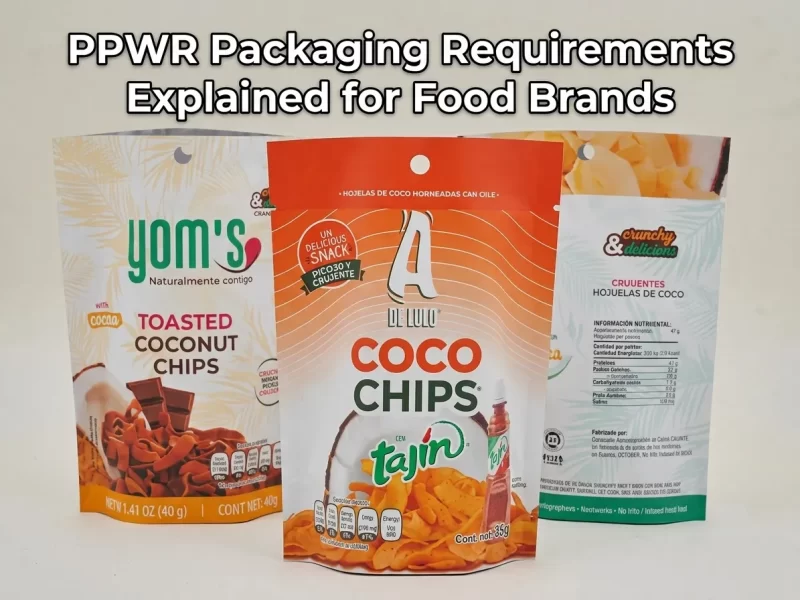
Facing the EU’s new PPWR packaging requirements, food brands are facing stringent compliance demands regarding recyclability and packaging reduction. Brands need to adjust their packaging strategies as early as possible to ensure successful entry into the European market. Huiyang Packaging boasts over 25 years of experience in flexible packaging OEM/ODM manufacturing. Leveraging advanced end-to-end production lines and one-stop R&D and manufacturing capabilities, we offer a full range of high-quality produits d'emballage flexibles, including stand-up pouches, spout pouches, flat bottom pouches, and roll films, covering the food, daily chemical, and pharmaceutical industries. We provide safe and reliable EU-compliant packaging solutions.
What Are the PPWR Packaging Requirements?
The PPWR packaging requirements originate from the European Union’s Packaging and Packaging Waste Regulation (PPWR), a regulation designed to harmonize packaging rules across EU member states and accelerate the transition to a circular economy.
Unlike the previous Packaging and Packaging Waste Directive (PPWD), PPWR is a regulation that applies directly across EU countries without requiring national transposition. Its objectives include:
- Reducing packaging waste
- Improving recyclability
- Increasing the use of recycled materials
- Encouraging reusable packaging systems
- Standardizing sustainability requirements across the EU
According to the European Commission, PPWR is one of the key legislative measures supporting the European Green Deal and Circular Economy Action Plan.
Why Food Brands Should Prepare Now
Waiting until products are ready for export is too late.
Many PPWR packaging requirements affect packaging decisions made during product development, including:
- Sélection des matériaux
- Package structure
- Technologie d'impression
- Label design
- Supplier qualification
Changing packaging after production often leads to:
- Increased costs
- Production delays
- Inventory waste
- Certification updates
- Supply chain disruption
Early planning gives brands greater flexibility while reducing compliance risks.
Key PPWR Packaging Requirements Every Food Brand Should Understand
1. Packaging Must Be Designed for Recycling
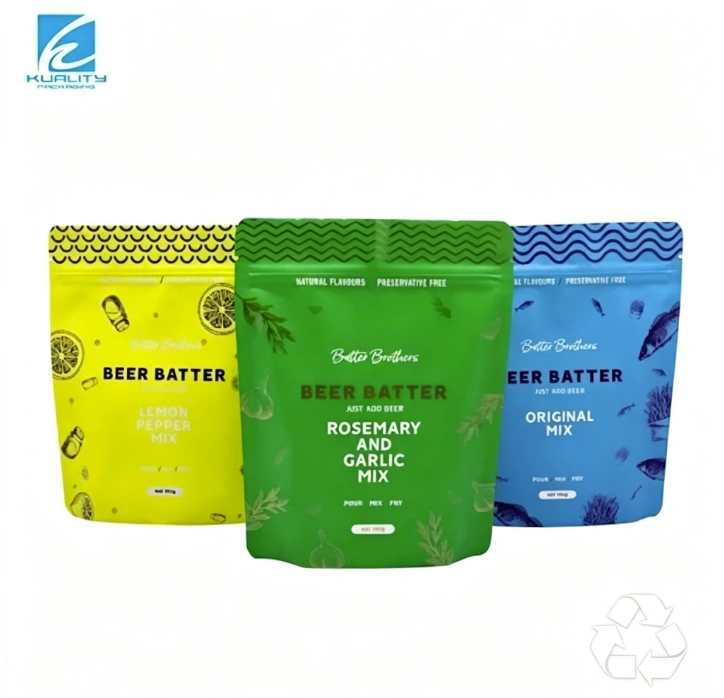
One of the most important PPWR packaging requirements is recyclability.
Future packaging should be designed so that it can be effectively collected, sorted, and recycled using existing recycling systems.
Food brands should evaluate:
- Material combinations
- Laminate structures
- Exigences en matière de barrières
- Separation efficiency
- Recycling compatibility
Highly complex multi-material packaging may require redesign depending on future recyclability criteria.
2. Reduce Unnecessary Packaging
PPWR encourages companies to minimize packaging without compromising product protection.
Examples include:
- Optimized pouch dimensions
- Reduced film thickness where appropriate
- Eliminating unnecessary packaging layers
- Improving packaging efficiency
Less material often means:
- Lower logistics costs
- Reduced carbon emissions
- Better sustainability performance
However, reducing material should never reduce food safety or shelf life.
3. Improve Material Selection
Material selection becomes increasingly important under the PPWR packaging requirements.
Food brands should work with suppliers capable of recommending suitable structures based on:
- Product sensitivity
- Oxygen barrier requirements
- Moisture protection
- Filling process
- Transportation conditions
- Recycling objectives
Choosing packaging only based on price may create expensive compliance issues later.
4. Sustainable Printing Technology Matters
Packaging sustainability extends beyond materials.
Printing methods also influence environmental performance.
Many manufacturers are adopting:
- Water-based ink printing
- Low-VOC printing processes
- Solvent reduction technologies
These technologies support sustainability goals while maintaining excellent print quality.
5. Labeling and Packaging Information
Future packaging will require clearer sustainability information.
Depending on product categories and implementation timelines, companies may need to provide information related to:
- Material identification
- Recycling instructions
- Sorting guidance
- Environmental labeling
Brands should monitor future implementing acts issued by the European Commission.
Common Compliance Challenges for Food Brands
Many companies encounter similar challenges when preparing for the PPWR packaging requirements.
These include:
Balancing Shelf Life and Sustainability
High-barrier packaging protects food but may be more difficult to recycle.
Finding the right balance requires technical expertise.
Managing Supplier Capabilities
Not every packaging supplier has experience with EU sustainability regulations.
Suppliers should provide:
- Material recommendations
- Compliance documentation
- Technical support
- Packaging optimization
Keeping Up with Regulatory Changes
PPWR will continue to evolve through delegated acts, implementing acts, and technical guidelines.
Companies should establish regular regulatory monitoring rather than treating compliance as a one-time project.
How Food Brands Can Prepare for PPWR
Conduct a Packaging Audit
Review existing packaging by asking:
- Is the material recyclable?
- Is the package larger than necessary?
- Does it use excessive materials?
- Are labels future-ready?
Work with Experienced Packaging Partners
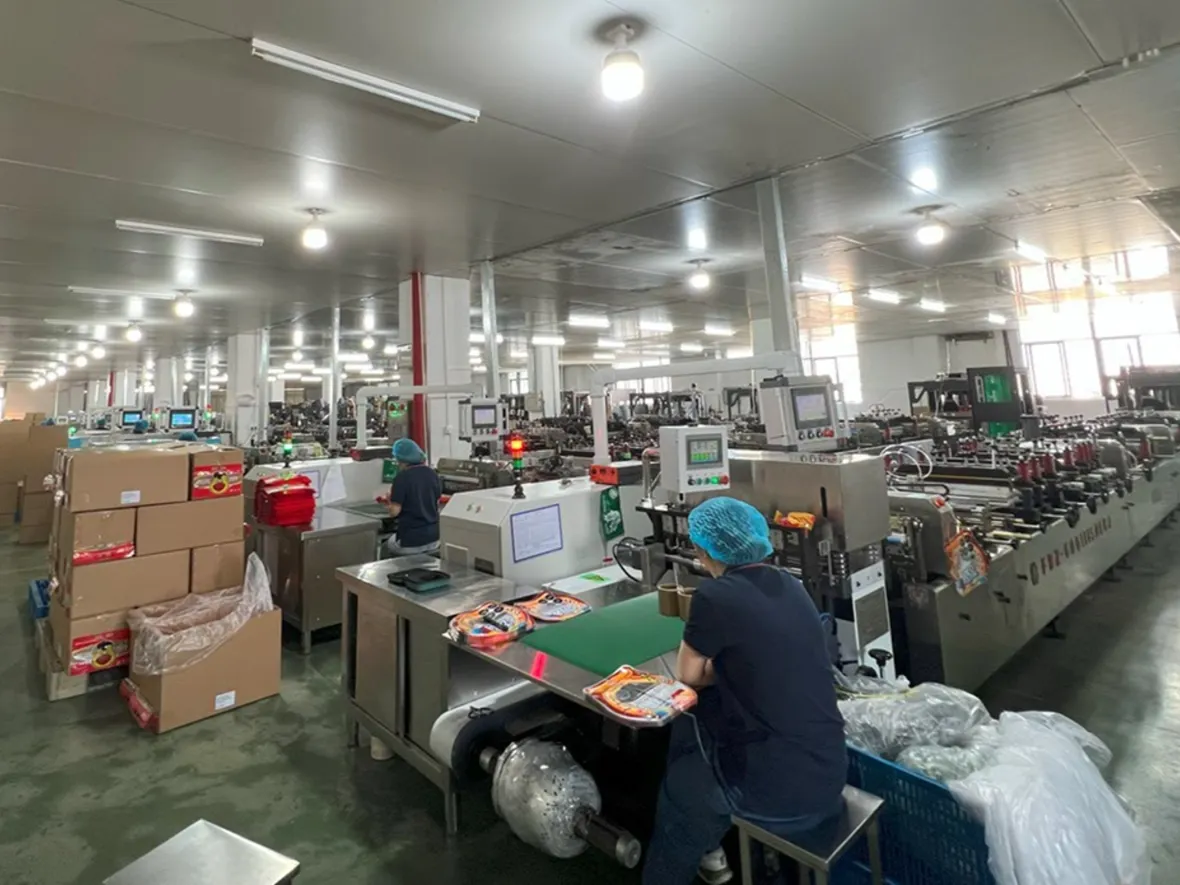
Experienced manufacturers understand:
- Flexible packaging structures
- Barrier technologies
- Matériaux durables
- Food packaging regulations
- Export requirements
Supplier expertise can significantly reduce compliance risks.
Invest in Packaging Innovation
Future-ready companies continuously improve packaging through:
- Material optimization
- Structures légères
- Better barrier technology
- Sustainable printing
- Improved production efficiency
Packaging innovation is becoming a competitive advantage—not just a compliance requirement.
Pros and Cons of PPWR Packaging Requirements
Avantages
Encourages Sustainable Innovation
Companies invest more in recyclable materials and environmentally responsible packaging.
Creates More Consistent EU Standards
Unified regulations simplify long-term market planning.
Strengthens Consumer Trust
Consumers increasingly prefer brands demonstrating environmental responsibility.
Improves Supply Chain Transparency
Documentation and standardized requirements improve supplier accountability.
Cons
Initial Compliance Costs
Packaging redesign, testing, and certification may increase short-term investment.
Greater Technical Complexity
Brands need stronger cooperation with packaging suppliers and regulatory experts.
Continuous Regulatory Monitoring
Compliance requires ongoing attention as technical requirements evolve.
Despite these challenges, businesses that prepare early often gain stronger long-term market competitiveness.
Industry Best Practices
Leading food brands are already adopting several best practices:
- Conduct annual packaging compliance reviews.
- Evaluate recyclability during product development—not after launch.
- Build long-term partnerships with packaging manufacturers.
- Request technical documentation before procurement.
- Monitor updates from the European Commission.
These proactive measures reduce business risks while improving operational efficiency.
FAQ
Q1: Do the PPWR packaging requirements apply only to packaging manufacturers?
No. They affect food brands, importers, retailers, distributors, and packaging suppliers involved in placing products on the EU market.
Q2: Will flexible packaging still be allowed?
Yes. Flexible packaging remains an important packaging format, but it will increasingly need to meet recyclability and sustainability requirements.
Q3: Should brands redesign existing packaging now?
Brands should begin evaluating existing packaging and develop transition plans based on upcoming implementation requirements rather than waiting until regulations fully apply.
Q4: How can companies reduce compliance risks?
The most effective approach is to conduct packaging audits, monitor regulatory developments, and cooperate with experienced packaging suppliers.
Q5: Why is supplier selection becoming more important?
Suppliers now play a larger role in material selection, packaging design, technical documentation, and compliance support, making them strategic partners rather than simple manufacturers.
Conclusion
The PPWR packaging requirements represent more than a regulatory update—they signal a fundamental shift in how packaging is designed, manufactured, and managed throughout its lifecycle. For food brands, compliance should not be viewed as a last-minute obligation but as an opportunity to build more sustainable products, strengthen customer trust, and improve long-term competitiveness in the European market.
The companies that will succeed under PPWR are those that begin preparing today. By evaluating current packaging, choosing recyclable material structures, working with knowledgeable suppliers, and staying informed about regulatory developments, food brands can reduce compliance risks while creating packaging that delivers both environmental and commercial value.
-

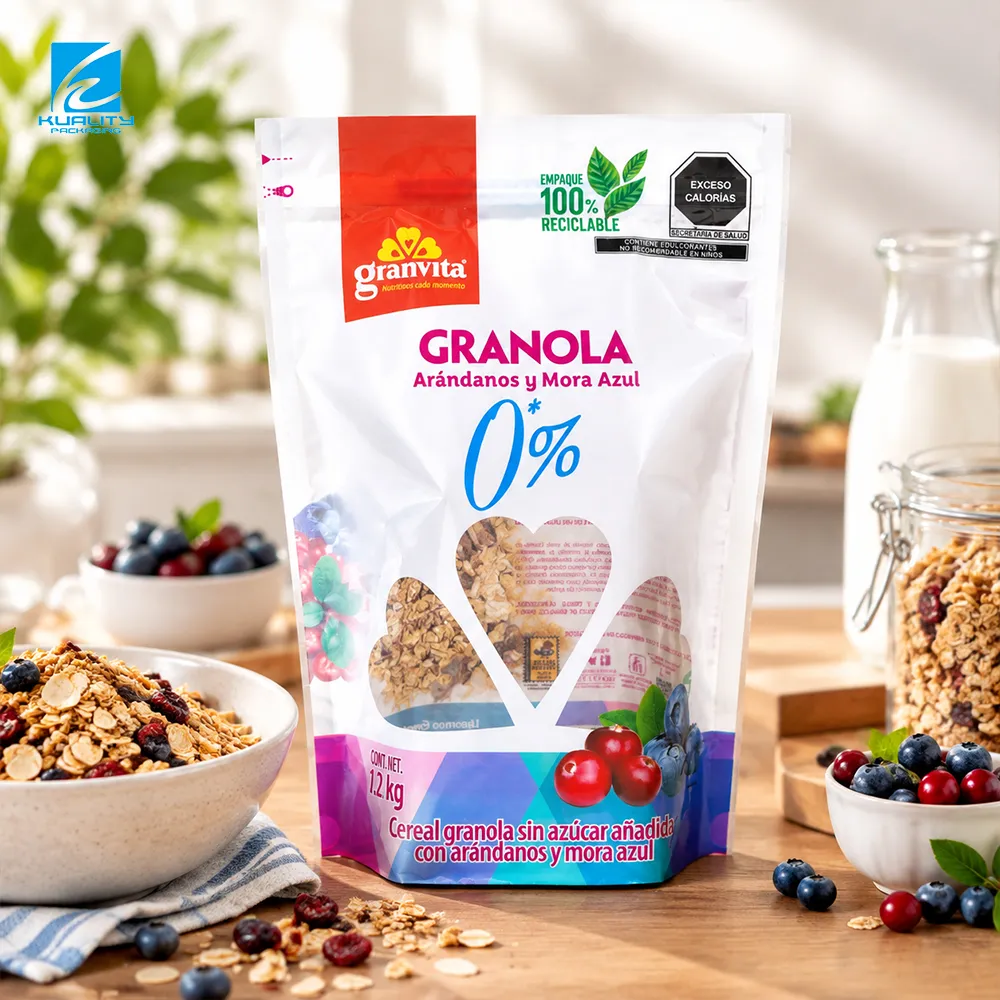
Custom Granola Packaging Bags Wholesale Clear Window Stand-Up Zipper Pouches
-
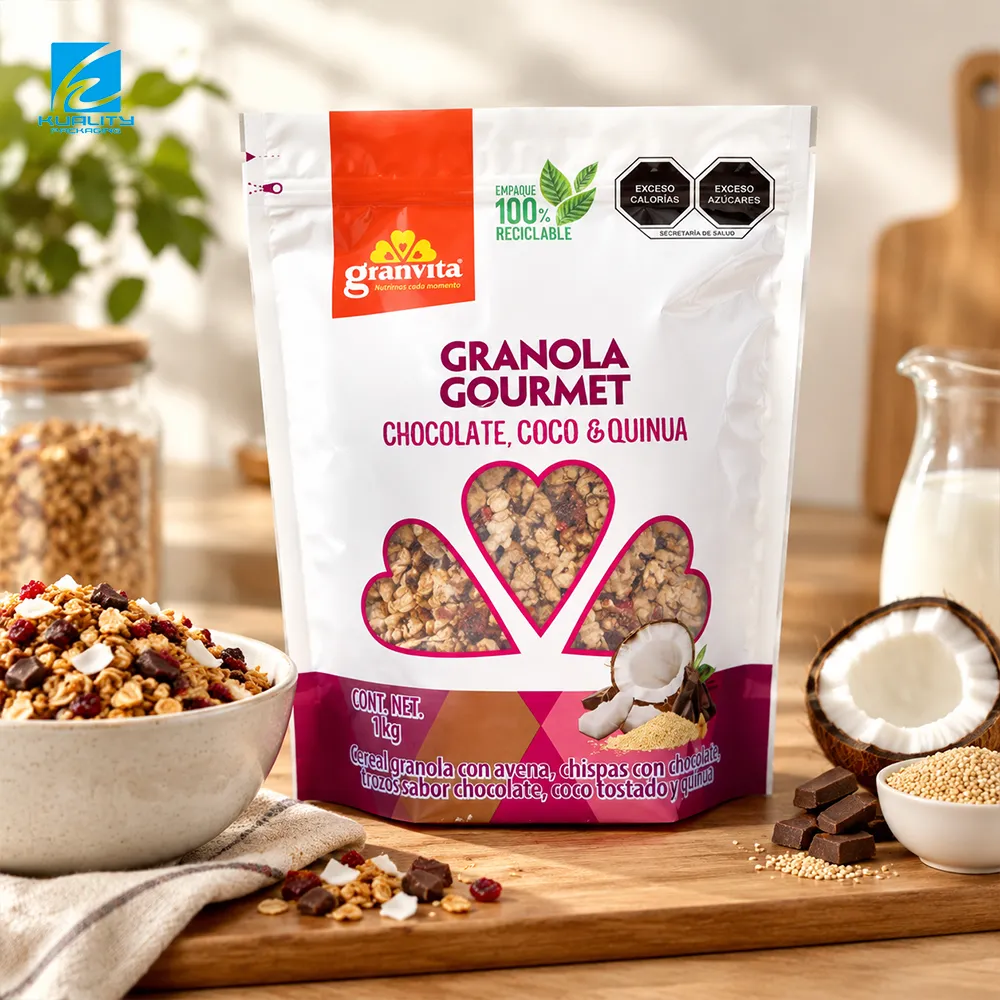
Custom Granola Packaging with Window, Eco-Recyclable Stand-Up Zipper Pouch Wholesale
-
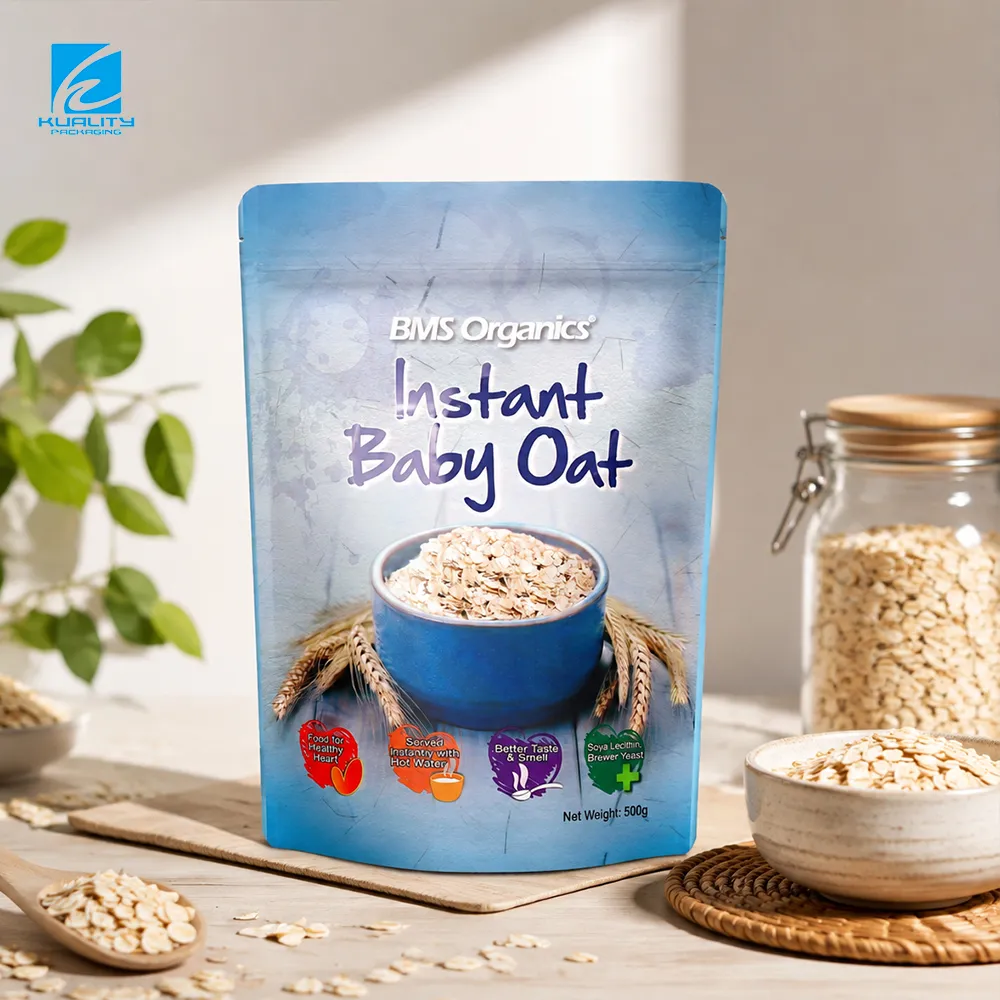
Fournisseur de sachets sur mesure pour flocons d'avoine pour bébés, sachets à fermeture à glissière, à fond plat et à coins renforcés, à haute barrière
-
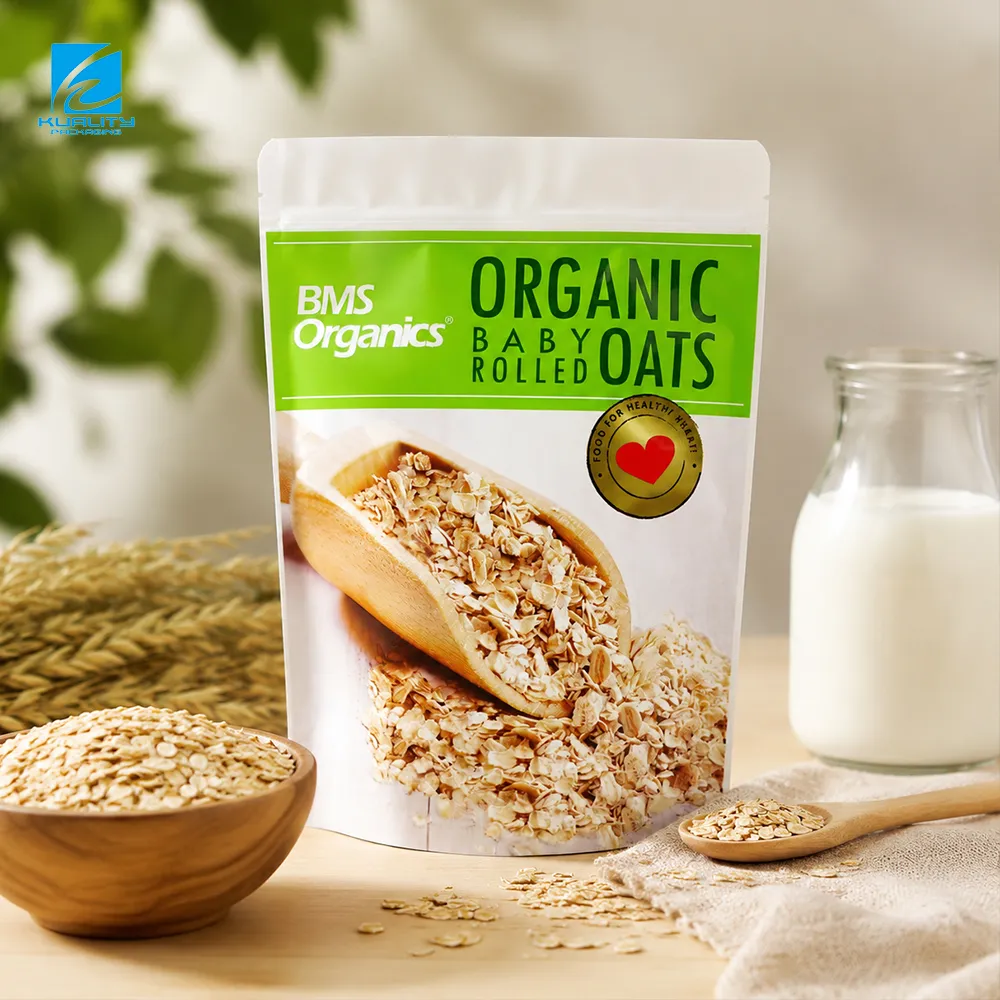
Custom Printed Oatmeal Pouch Packaging, High-Barrier Stand-up Zipper Bag Wholesaler
Partner with Huiyang Packaging
For more than 25 years, Huiyang Packaging has specialized in OEM and ODM flexible packaging solutions for customers worldwide. Our integrated production system combines material research and development, packaging design, high-speed printing, laminating, slitting, and bag-making into one efficient manufacturing process.
Certified under ISO 9001 and supported by SGS and FDA standards, we supply high-quality stand-up pouches, spout pouches, vacuum bags, pillow bags, flat bottom bags, cold seal films, and rollstock for the food, pharmaceutical, cosmetics, and daily chemical industries.
As sustainability requirements continue to evolve, we work closely with customers to optimize material structures, improve packaging performance, and develop solutions aligned with the latest PPWR packaging requirements. Whether you are launching a new product or upgrading your existing packaging for the European market, our technical team is ready to provide practical advice, customized solutions, and dependable manufacturing support.
Contact Huiyang Packaging today to discuss your packaging project and build a future-ready packaging strategy that meets both your business goals and evolving EU compliance requirements.