


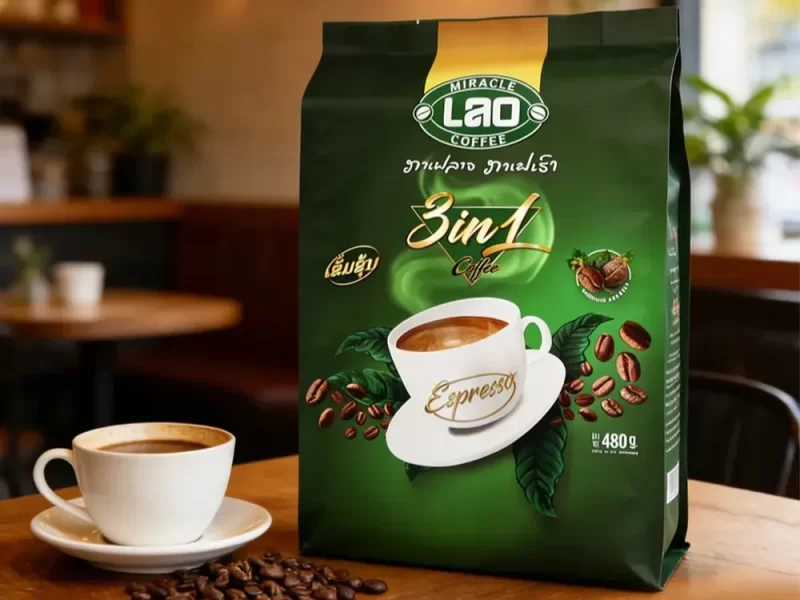
When coffee brands begin scaling, packaging quickly becomes more than just a container. At Huiyang Packaging, we’ve seen many roasters move from focusing purely on beans to realizing that sacs d'emballage de café personnalisés play a critical role in preserving quality and building brand identity.
At first, packaging may seem simple. But once coffee leaves the roastery, it faces oxygen, light, and humidity — all of which can degrade flavor.
That’s where well-designed sacs d'emballage de café personnalisés make the difference.
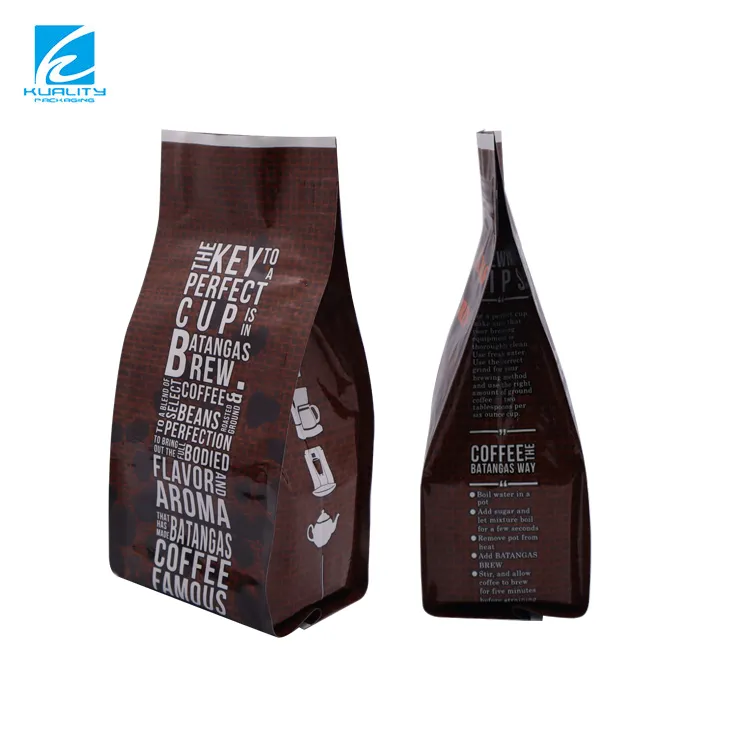
Why Coffee Packaging Matters More Than You Think
Coffee freshness doesn’t end at roasting. The moment beans are packed, packaging becomes the only barrier protecting aroma and taste.
Without proper sacs d'emballage de café personnalisés, you may encounter:
- Flavor loss due to oxygen exposure
- Aroma degradation from light
- Moisture affecting shelf life
For brands serious about quality, packaging is not optional — it’s part of the product.
Coffee Packaging Materials
Most sacs d'emballage de café personnalisés are multi-layer laminates, not single materials. Each layer has a specific function:
- Outer layer: printing and branding
- Middle layer: barrier protection
- Inner layer: heat sealing
These layers are laminated, cured, and converted into finished pouches — a standard process in flexible packaging manufacturing.
Aluminum Foil Laminates
Aluminum structures are widely used in premium sacs d'emballage de café personnalisés.
Typical structure:
PET / AL / PE
Benefits:
- Excellente barrière contre l'oxygène
- Strong light protection
- Longer aroma preservation
Best for:
- Specialty coffee
- Export shipments
- E-commerce brands
Consideration:
Higher cost compared to other materials
Metallized PET (Met PET)
Met PET is a cost-effective alternative for sacs d'emballage de café personnalisés.
Features:
- Metallic coating instead of full aluminum
- Moderate barrier performance
- Attractive reflective finish
Best for:
- Fast-moving retail coffee
- Seasonal blends
- Flavored coffee
Thickness Matters
Many brands initially choose thinner sacs d'emballage de café personnalisés to save cost.
However, after real-world testing, they often upgrade to thicker laminates for:
- Better durability
- Improved barrier performance
- Safer transportation
Small adjustments like this can significantly improve packaging reliability.
Degassing Valves: A Small but Critical Component
Freshly roasted coffee releases CO₂ for days after roasting. Without proper ventilation, sealed bags can expand or even burst.
That’s why sacs d'emballage de café personnalisés typically include one-way degassing valves.
How it works:
- CO₂ escapes from inside
- Oxygen cannot enter
This ensures freshness while maintaining package integrity.
Valve Position
In most sacs d'emballage de café personnalisés, the valve is placed near the top of the pouch.
Why it matters:
- Efficient gas release
- Reduced damage risk during transport
It may seem minor, but these small details define high-quality packaging.
Coffee Packaging Design
Design goes beyond appearance. In sacs d'emballage de café personnalisés, it includes structure, usability, and customer interaction.
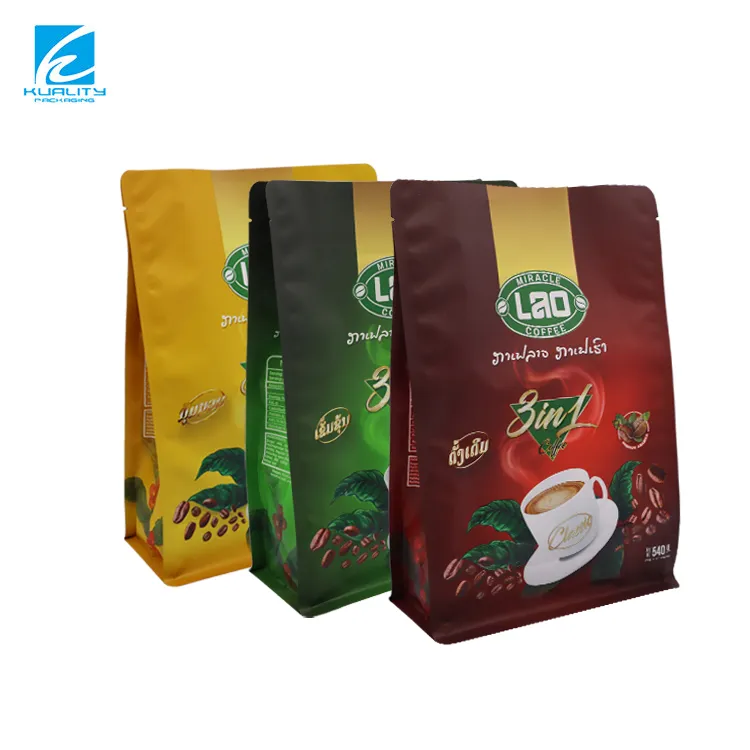
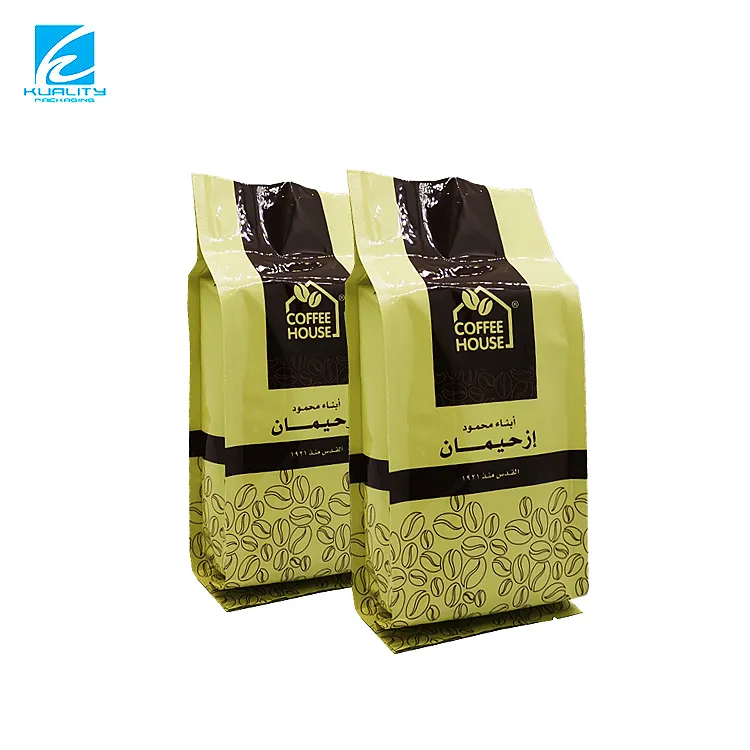
Flat Bottom Bags
Flat bottom bags are widely used in premium sacs d'emballage de café personnalisés.
Advantages:
- Strong shelf presence
- Multiple printable panels
- Stable standing structure
Perfect for retail environments.
Sacs à dos
Stand-up pouches are a flexible option for sacs d'emballage de café personnalisés, especially for growing brands.
Advantages:
- Lower production complexity
- Cost-effective for smaller batches
- Easy to store and display
Practical Features That Add Value
Modern sacs d'emballage de café personnalisés often include:
- Resealable zippers
- Tear notches
- QR codes for brand storytelling
These features enhance user experience and brand engagement.
Réflexions finales
Coffee packaging may look simple, but it involves material science, engineering, and design working together.
Au Huiyang Packaging, we help brands develop sacs d'emballage de café personnalisés that protect freshness, enhance shelf appeal, and support long-term growth.
When materials, valves, and design are aligned, customers can open a bag weeks later and still experience the coffee exactly as intended.
That’s the real goal of great packaging.
Why Choose Huiyang Packaging
Choosing the right supplier for sacs d'emballage de café personnalisés is just as important as choosing the right materials.
Huiyang Packaging offers:
- ✅ 30+ years of flexible packaging experience
- ✅ Full OEM/ODM customization support
- ✅ Advanced production lines & strict quality control
- ✅ Food-grade certified materials (ISO, FDA, etc.)
- ✅ Fast sampling & global delivery
- ✅ Sustainable packaging solutions available
We don’t just manufacture bags — we help brands build better packaging systems.
FAQ – Custom Coffee Packaging Bags
1. What is the best material for custom coffee packaging bags?
Aluminum foil laminates provide the best barrier for freshness, while Met PET offers a balance between cost and performance.
2. Do all coffee bags need a degassing valve?
Yes, for roasted coffee. Degassing valves are essential to release CO₂ and prevent bag expansion.
3. How thick should custom coffee packaging bags be?
Typically 110–130 microns, depending on transportation and storage requirements.
4. What bag type is best for retail coffee?
Flat bottom bags are ideal for retail due to their stability and premium appearance.
5. Can I customize printing and features?
Yes. Custom coffee packaging bags can include zippers, valves, finishes, and full-color printing.