


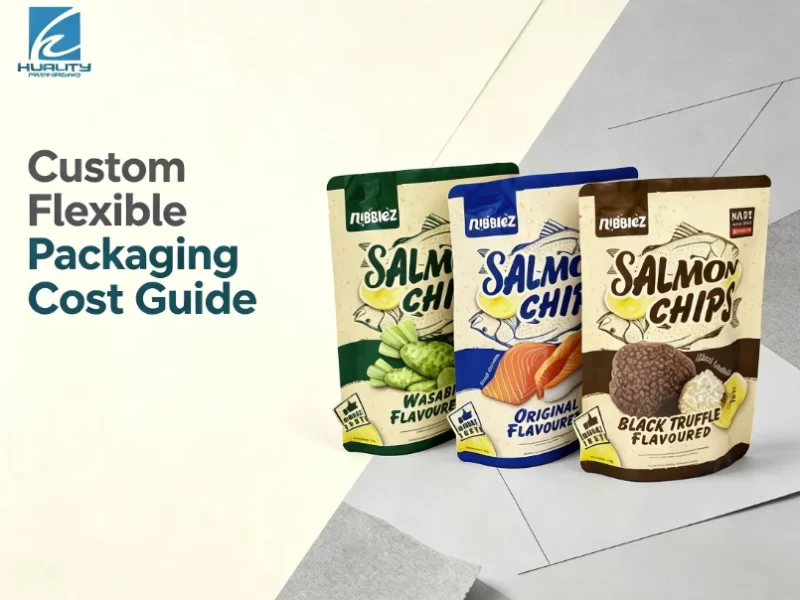
Understanding custom flexible packaging cost is about more than comparing quotations. Material structure, bag type, printing method, order quantity, and functional features all influence the total packaging investment. Choosing the right combination helps brands reduce costs while protecting product quality, extending shelf life, and strengthening market competitiveness.
With over 25 years of OEM/ODM manufacturing experience, Упаковка Huiyang provides one-stop flexible packaging solutions from material R&D and structural design to high-speed printing and finished bag production.
Why Understanding Custom Flexible Packaging Cost Matters
Many first-time buyers assume packaging prices are determined only by bag size or printing design.
In reality, custom flexible packaging cost is influenced by a combination of raw materials, production efficiency, product protection requirements, and order quantity.
Choosing the wrong packaging solution may result in:
- Higher material costs
- Shorter product shelf life
- Product oxidation
- Moisture damage
- Packaging failures during transportation
- Increased customer complaints
- Higher replacement costs
Professional buyers therefore focus on total packaging value, rather than simply comparing unit prices.
A well-designed flexible packaging solution can reduce waste, improve logistics efficiency, and protect product quality throughout the supply chain.
Expert Insight: The lowest quotation does not always deliver the lowest overall packaging cost. Selecting the right material structure and manufacturing process often saves significantly more money over the product’s lifecycle.
What Determines Custom Flexible Packaging Cost?
Several production factors work together to determine the final custom flexible packaging cost.
The most important cost factors include:
- Packaging material structure
- Barrier performance requirements
- Bag size and film thickness
- Технология печати
- Minimum order quantity (MOQ)
- Bag style
- Surface treatments
- Functional accessories
- Production efficiency
- Quality inspection requirements
For B2B buyers, packaging suppliers typically calculate pricing using the following formula:
Total Packaging Cost = Material Cost + Printing Cost + Manufacturing Cost + Functional Features + Logistics + Order Quantity
Although this formula appears straightforward, each element can significantly influence the final quotation.
For example:
A standard laminated stand-up pouch with simple printing requires fewer materials and production steps than a premium coffee bag featuring:
- Aluminum foil structure
- Matte varnish
- One-way degassing valve
- Resealable zipper
- High-definition gravure printing
As additional materials and manufacturing processes are introduced, the custom flexible packaging cost naturally increases.
The objective is therefore not to minimize every individual cost, but to find the most suitable balance between performance, appearance, and budget.
Material Structure Is the Largest Cost Factor
Among all variables, material selection has the greatest influence on custom flexible packaging cost.
Different products require different levels of protection against:
- Кислород
- Влажность
- UV light
- Aroma loss
- Oil migration
- Puncture
- Compression
Selecting unnecessarily high barrier materials increases costs, while insufficient protection can shorten shelf life and damage product quality.
Experienced manufacturers recommend packaging structures according to the product itself rather than using a “one-size-fits-all” approach.
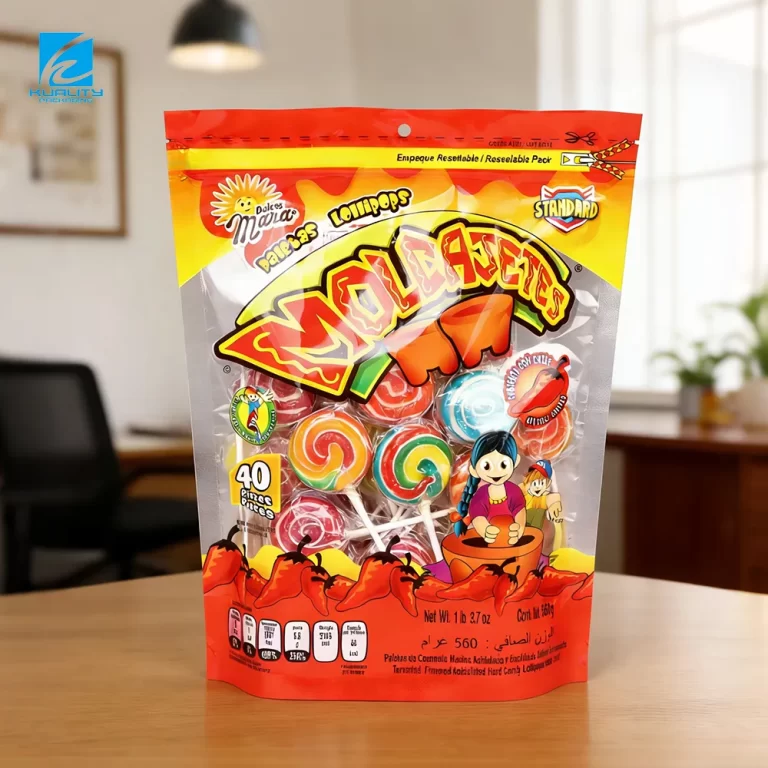
1. PET/PE Structure
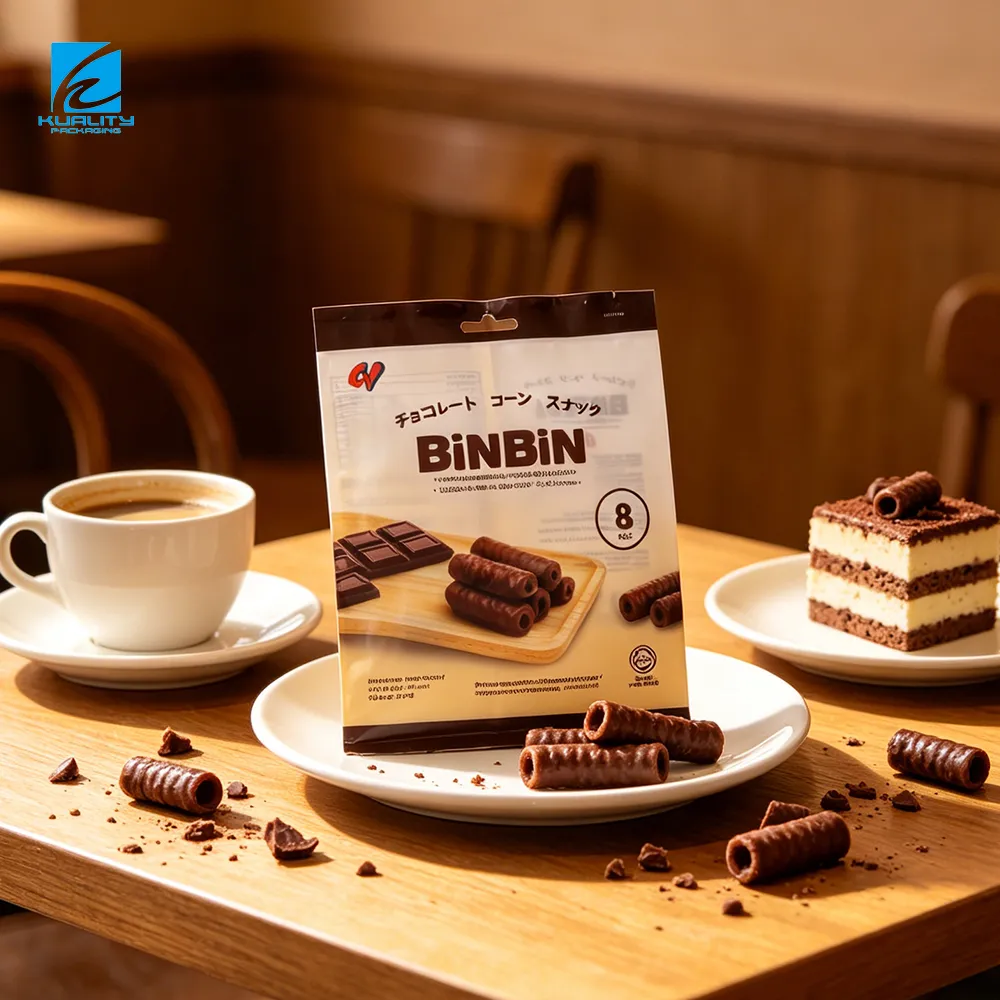
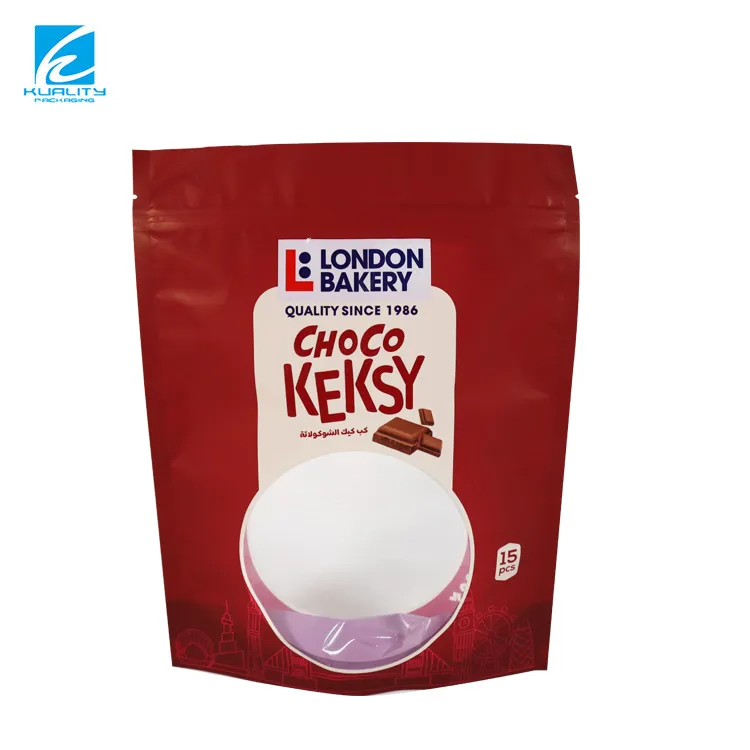
PET/PE is one of the most widely used flexible packaging structures.
Преимущества
- Excellent printing performance
- Надежная термосварка
- Competitive pricing
- Хорошая гибкость
- Suitable for high-volume production
Recommended Applications
- Snack foods
- Dry foods
- Bakery products
- Конфеты
- Daily consumer goods
For products with moderate shelf-life requirements, PET/PE offers one of the most economical solutions while maintaining reliable packaging performance.
2. PET/VMPET/PE Structure
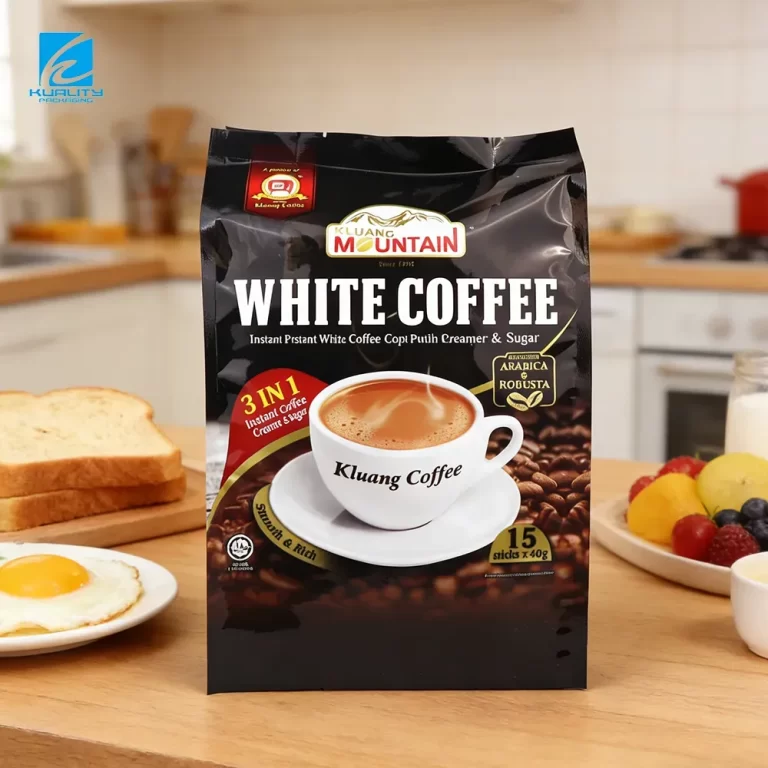
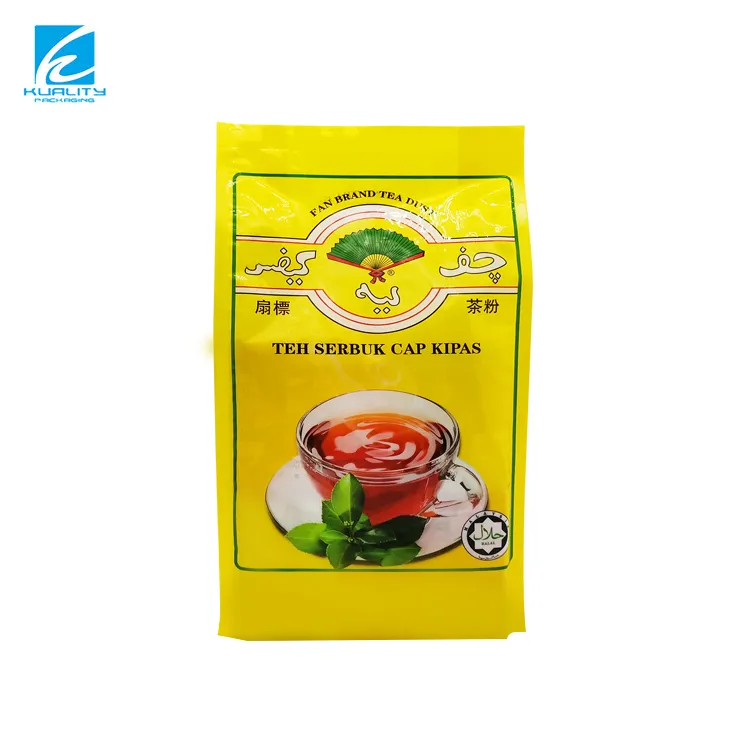
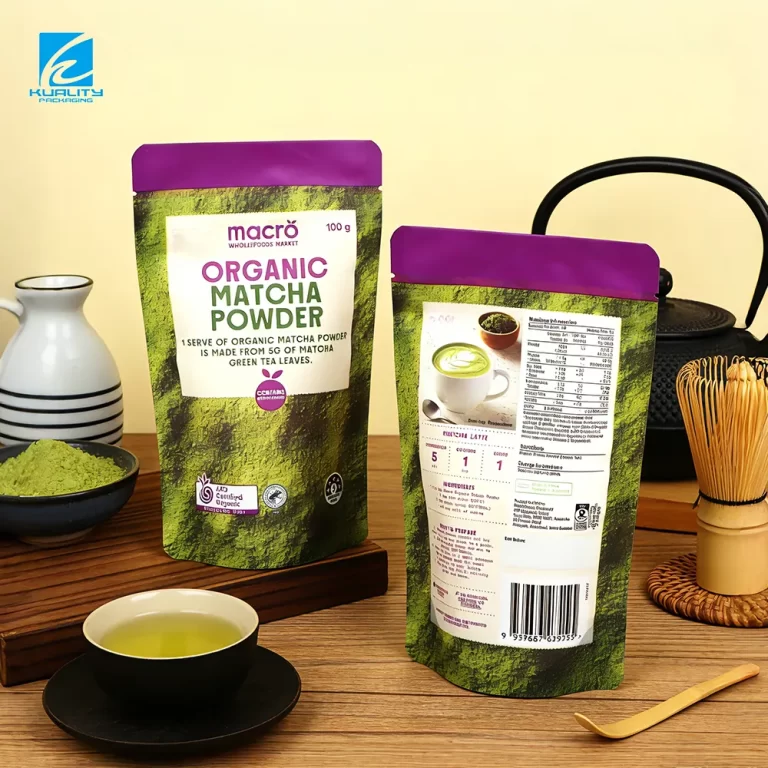
PET/VMPET/PE incorporates a vacuum-metallized film layer that significantly improves barrier performance.
Преимущества
- Better oxygen barrier
- Enhanced moisture resistance
- Improved light protection
- Excellent aroma retention
- Attractive metallic appearance
Recommended Applications
- Coffee packaging
- Протеиновый порошок
- Чай
- Premium snack foods
- Nutritional products
Although this structure slightly increases custom flexible packaging cost, many brands consider it an excellent balance between packaging performance and overall budget.
3. PET/AL/PE Structure
PET/AL/PE combines PET with aluminum foil to provide one of the highest barrier packaging solutions available.
Преимущества
- Maximum oxygen protection
- Excellent moisture barrier
- Complete light shielding
- Outstanding aroma preservation
- Увеличенный срок хранения
Recommended Applications
- Coffee beans
- Milk powder
- Freeze-dried food
- Nutritional supplements
- High-value food products
Because aluminum foil materials and lamination processes are more expensive, this structure typically results in a higher custom flexible packaging cost than metallized alternatives.
However, for products requiring long shelf life or export transportation, the additional investment often delivers greater long-term value.
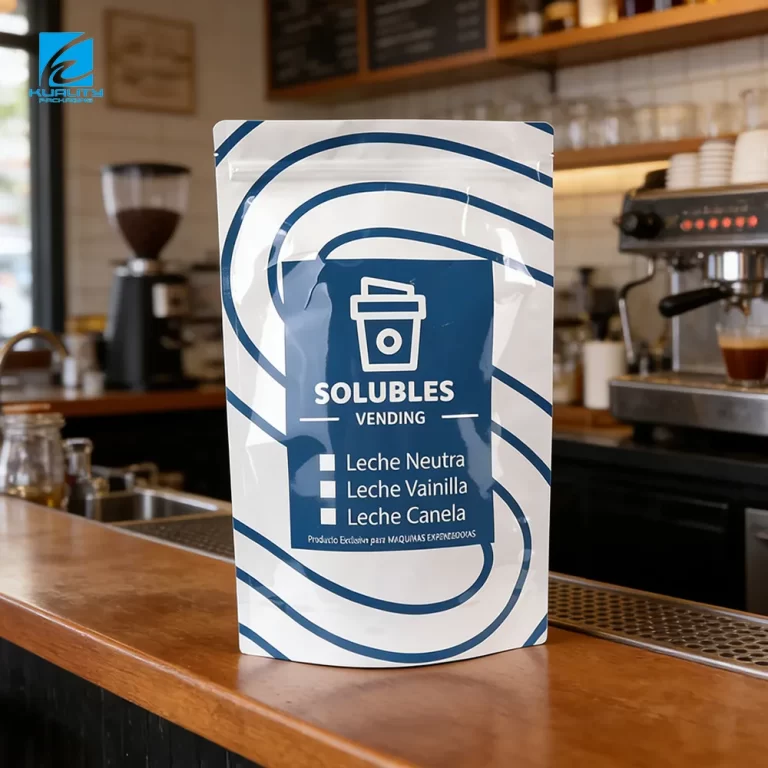
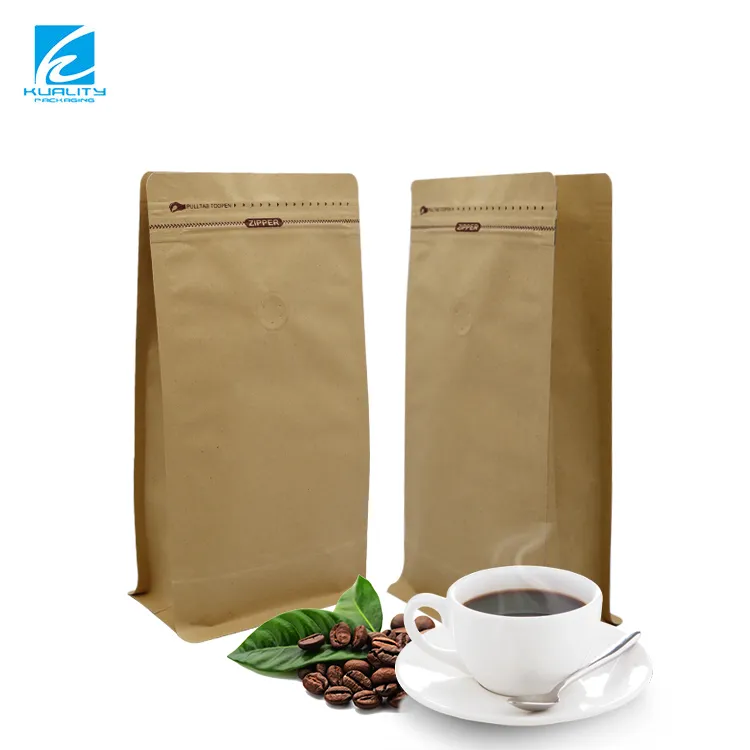
Case Study: Choosing the Right Coffee Packaging Structure
A specialty coffee brand planned to launch a new range of premium roasted coffee beans and requested quotations for custom printed coffee bags.
Product Requirements
- 250g stand-up coffee pouch
- Matte finish
- Resealable zipper
- One-way degassing valve
- Full-color gravure printing
Two packaging structures were evaluated.
Solution A: PET/VMPET/PE
Преимущества:
- Высокая барьерная защита
- Excellent aroma retention
- Competitive material cost
- Suitable for medium shelf-life products
Solution B: PET/AL/PE
Преимущества:
- Maximum oxygen protection
- Complete light barrier
- Premium shelf-life performance
- Better suited for international distribution
Although Solution B offered superior barrier performance, its custom flexible packaging cost was noticeably higher due to the use of aluminum foil.
After evaluating storage conditions, transportation distance, and target retail pricing, the customer selected PET/VMPET/PE because it delivered the best balance between protection and overall packaging cost.
This example demonstrates an important principle:
The best packaging is not necessarily the most expensive—it is the one that provides the right level of protection for your product at the most efficient cost.
Bag Type and Dimensions Also Affect Custom Flexible Packaging Cost
Another major factor influencing custom flexible packaging cost is the bag style you choose.
Different pouch structures require different manufacturing processes, sealing methods, and material usage. More complex designs generally require additional production steps, increasing manufacturing costs.
Common Flexible Packaging Bag Types
- Stand-up pouch
- Flat bottom pouch
- Side gusset bag
- Quad seal bag
- Three-side seal pouch
- Spout pouch
- Rollstock film
Each option serves different product categories and marketing goals.
Чехол для переноски
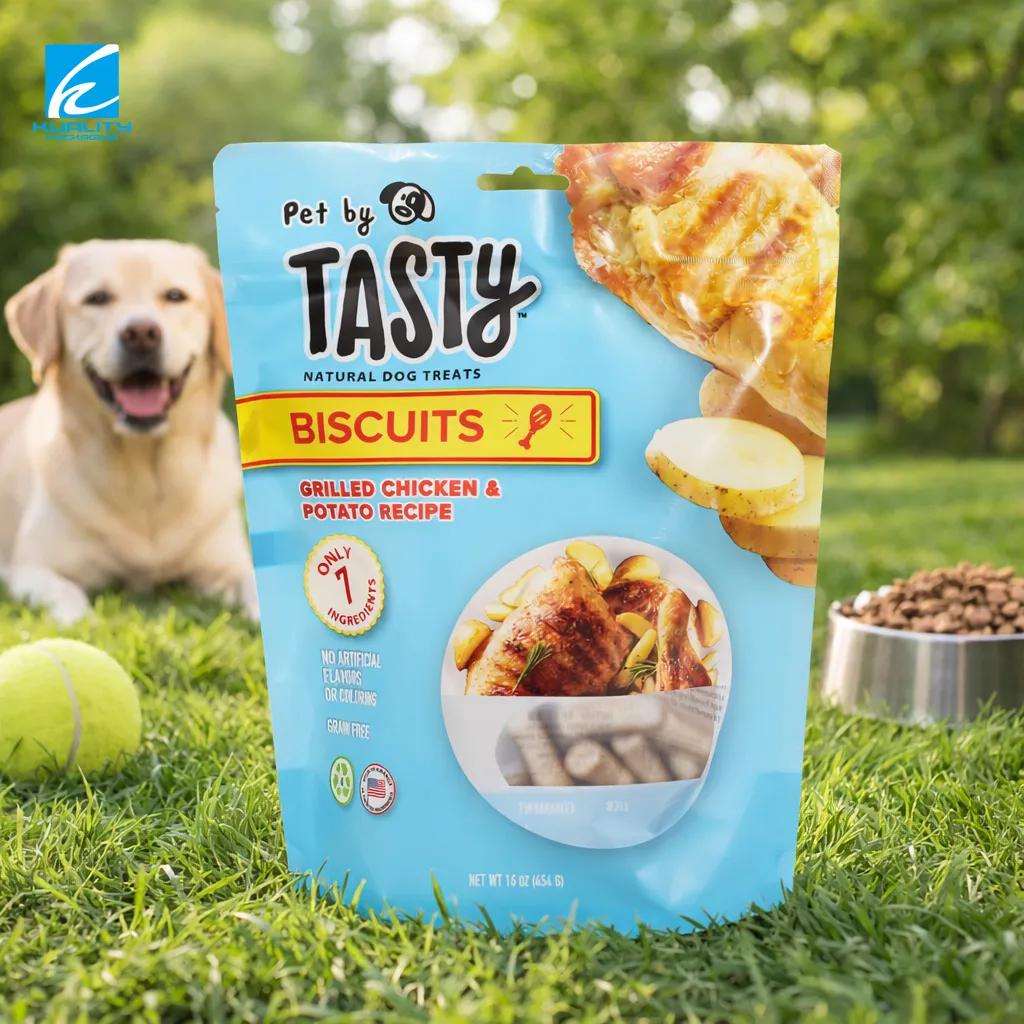
The stand-up pouch remains one of the most popular and economical flexible packaging solutions.
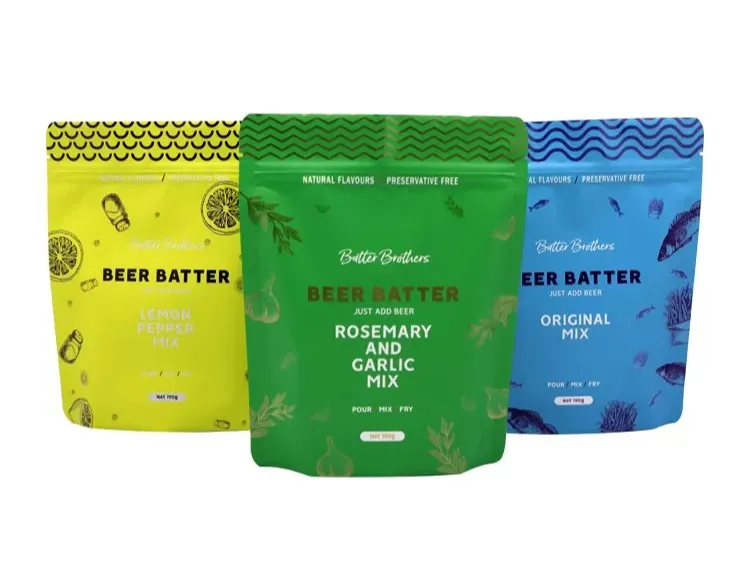
Pros
- Lower production cost
- Excellent shelf display
- Lightweight
- Suitable for many industries
- Flexible sizing options
Cons
- Smaller printable area than flat bottom bags
- Less premium shelf appearance
Типовые применения
- Snack foods
- Кофе
- Чай
- Pet food
- Сушеные фрукты
- Health foods
Чехол с плоским дном
Flat bottom bags are increasingly chosen by premium food brands because of their attractive retail presentation.
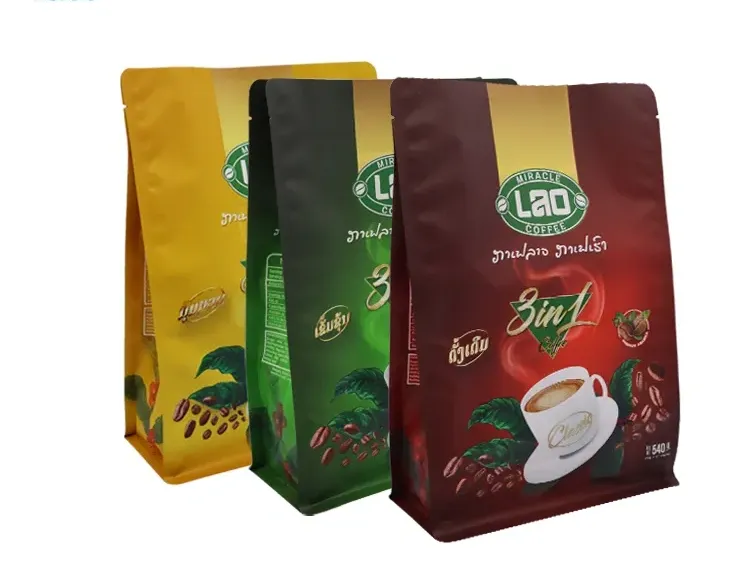
Pros
- Premium appearance
- Larger printable surface
- Excellent shelf stability
- Higher perceived product value
Cons
- More complicated manufacturing process
- Higher material consumption
- Higher custom flexible packaging cost
Типовые применения
- Кофе особых сортов
- Premium pet food
- Протеиновый порошок
- Gourmet snacks
Сумки с боковой ластовицей
Side gusset bags remain a classic solution for large-volume food packaging.
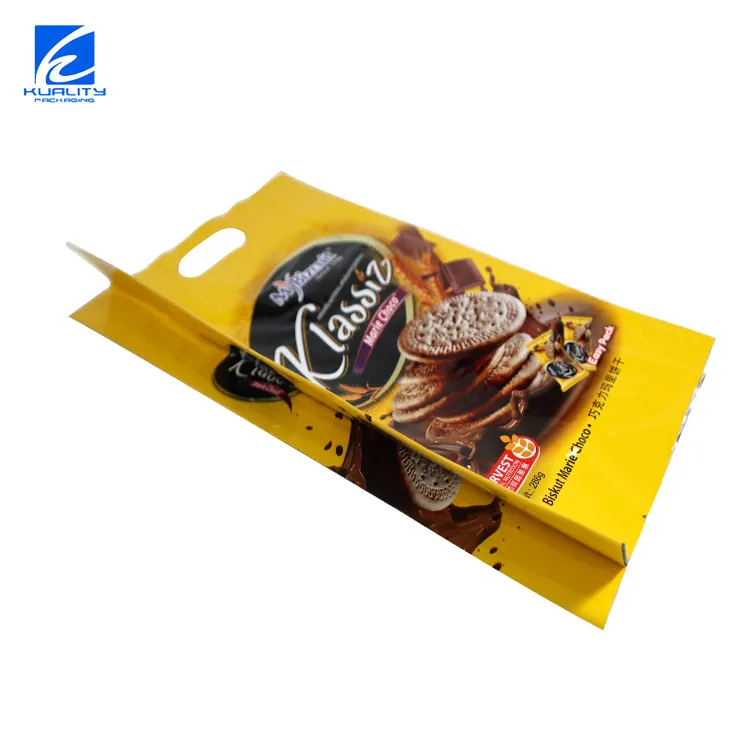
Pros
- Efficient storage
- Large capacity
- Suitable for automated filling
- Cost-effective for bulk packaging
Cons
- Less stable standing performance
- Less attractive retail presentation compared with flat bottom pouches
Приложения
- Coffee beans
- Rice
- Animal feed
- Bulk food ingredients
Пакеты с дозатором
Spout pouches provide convenience for liquid and semi-liquid products.
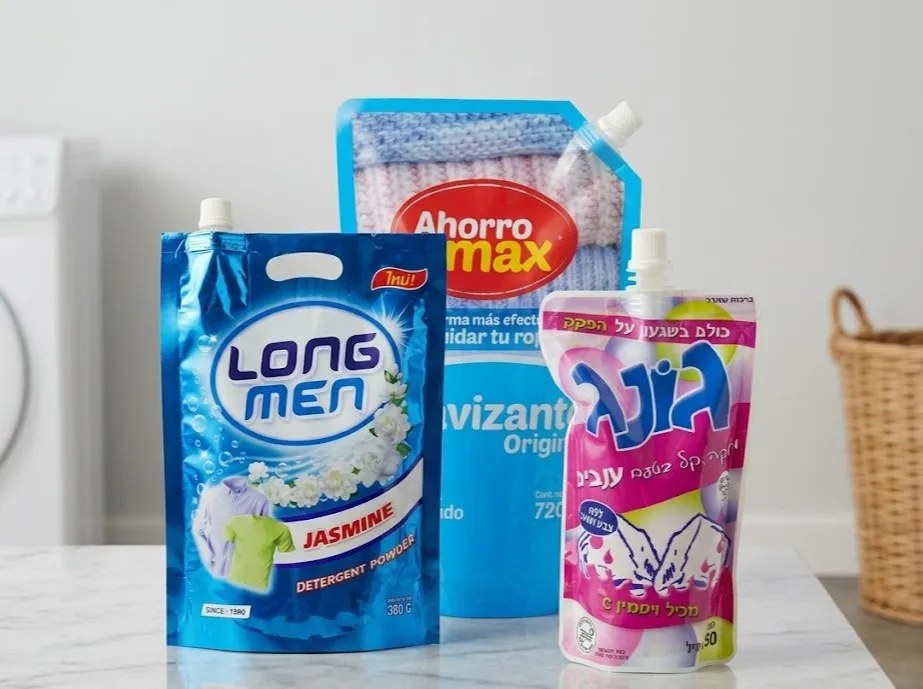
Pros
- Easy pouring
- Resealable
- Lightweight
- Consumer-friendly
Cons
- Additional spout component increases production cost
Приложения
- Juice
- Baby food
- Соусы
- Liquid detergents
- Personal care products
Why Bag Size Matters
Bag dimensions directly affect material consumption.
For example:
- A 250g coffee pouch requires significantly less film than a 1kg coffee bag.
- Larger bags also require stronger sealing areas and sometimes thicker materials, further increasing production costs.
Choosing the correct bag size based on actual product weight helps reduce unnecessary material waste and transportation expenses.
Professional Tip: Choose the Right Bag Style for Your Market
When comparing different bag styles, buyers should evaluate more than just the unit price.
Consider:
- Product protection requirements
- Shelf presentation
- Удобство для потребителя
- Filling equipment compatibility
- Shipping efficiency
- Storage space
- Brand positioning
Sometimes a slightly higher packaging investment can significantly improve shelf appeal, consumer experience, and repeat purchases, creating a better overall return on investment.
Printing Method Directly Influences Custom Flexible Packaging Cost
Printing is more than adding graphics to a package—it determines your brand image, color consistency, production efficiency, and overall custom flexible packaging cost.
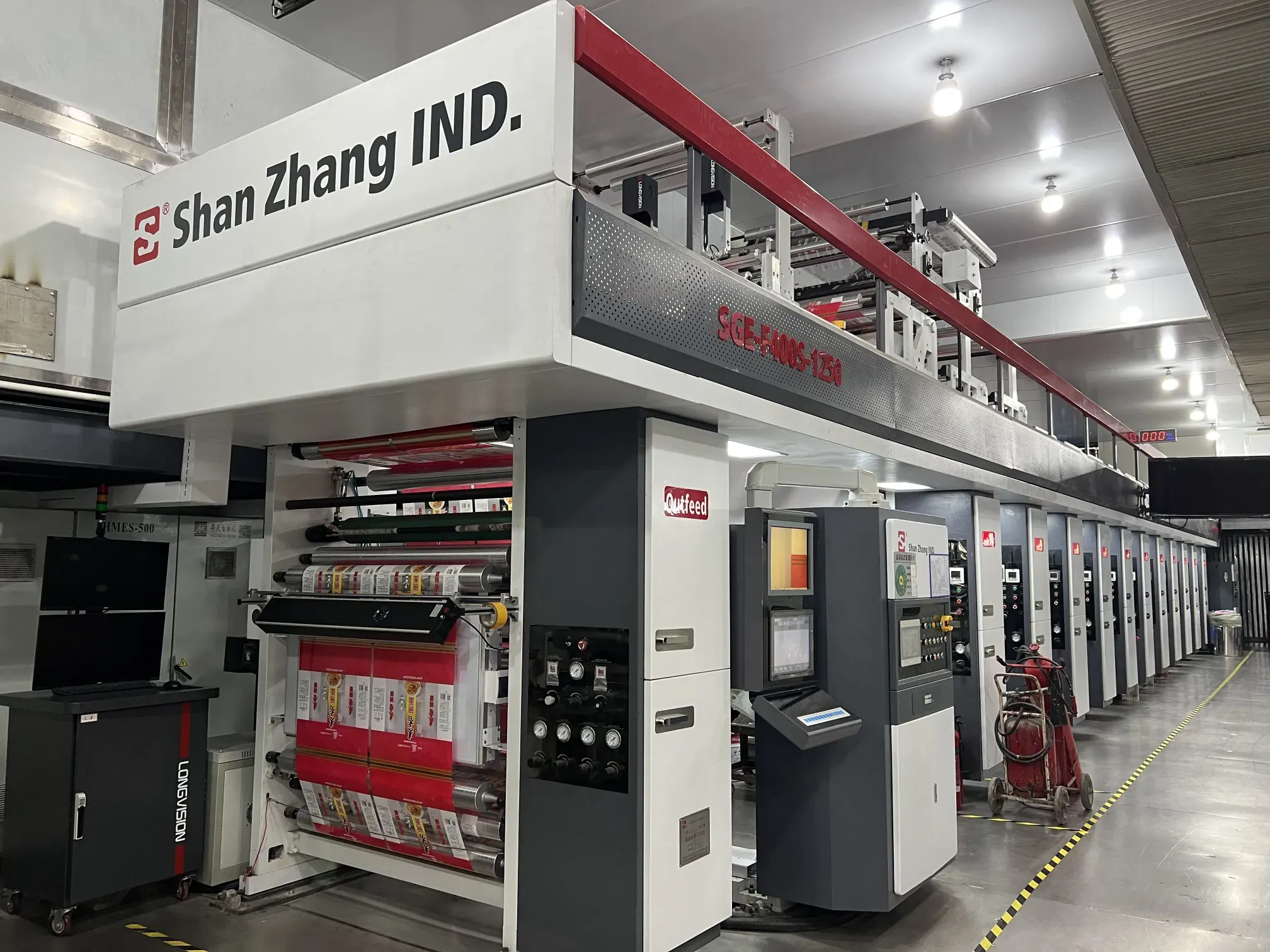
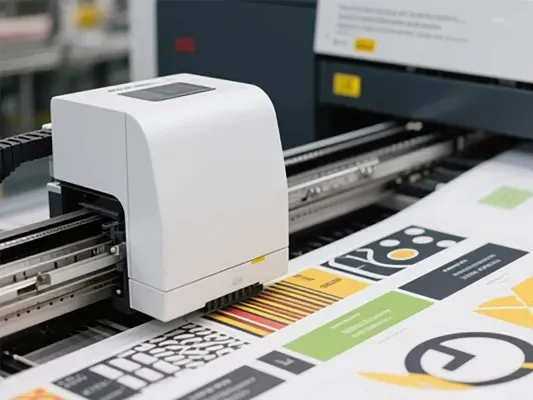
The two most common printing methods for custom flexible packaging are gravure printing и digital printing.
| Метод печати | Pros | Cons | Recommended For |
| Гравийная печать • Industry standard for medium- to large-volume custom packaging production. | • Outstanding image quality • Excellent color consistency across production batches • High printing speed • Lower unit cost for large-volume orders • Ideal for long-term brand packaging | • Higher initial cylinder (plate) cost • Longer pre-production setup time • Less suitable for very small production runs | • Coffee brands • Snack manufacturers • Pet food companies • Beverage packaging • Established retail brands |
| Цифровая печать • Increasingly popular for startups and brands launching new products. | • No printing cylinder cost • Faster artwork revisions • Low MOQ (Minimum Order Quantity) • Faster turnaround for sampling • Excellent for market testing | • Higher unit price for large production volumes • Less economical for repeat mass production | • Product launches • Seasonal packaging • Limited editions • Startups • Promotional campaigns |
Each has its own advantages depending on your production volume and business goals.
Which Printing Method Offers Better Value?
There is no universal answer.
Instead, choose the printing method based on your production volume.
| Production Volume | Recommended Printing Method |
|---|---|
| Product testing | Цифровая печать |
| Small batch orders | Цифровая печать |
| Medium production | Depends on artwork quantity |
| Large-volume production | Гравийная печать |
| Long-term packaging supply | Гравийная печать |
Professional Insight
Many new brands initially assume digital printing is always cheaper. In reality, while digital printing eliminates plate costs, gravure printing typically delivers a much lower cost per bag once production volumes increase. An experienced packaging supplier can help calculate the break-even point based on your expected annual demand.
MOQ Has a Major Impact on Custom Flexible Packaging Cost
Minimum Order Quantity (MOQ) is another key factor affecting custom flexible packaging cost.
Custom flexible packaging requires multiple setup processes before production begins, including:
- Material preparation
- Printing setup
- Color calibration
- Machine adjustment
- Lamination
- Slitting
- Bag making
- Проверка качества
These fixed production costs are distributed across every bag produced.
As order quantities increase, the setup cost is shared among more units, reducing the cost per bag.
Example Comparison
Option A
Order Quantity:
10,000 custom coffee bags
Преимущества
- Lower inventory investment
- Suitable for testing new products
Недостатки
- Higher unit packaging cost
- Setup costs spread across fewer bags
Option B
Order Quantity:
100,000 custom coffee bags
Преимущества
- Lower unit price
- Better production efficiency
- Improved purchasing economics
Недостатки
- Higher upfront investment
- Requires more warehouse space
Should You Always Order More?
Не обязательно.
Ordering excessive quantities simply to reduce unit cost can create other business challenges:
- Higher inventory costs
- Increased storage expenses
- Risk of obsolete packaging due to design updates
- Cash flow pressure
The ideal order quantity should balance:
- Sales forecast
- Inventory turnover
- Product shelf life
- Marketing plans
- Budget
A professional supplier can often recommend the most economical production quantity based on your annual purchasing volume.
Additional Packaging Features Increase Custom Flexible Packaging Cost
Modern packaging is expected to do much more than protect a product.
Consumers increasingly expect convenience, freshness, and premium presentation.
Each added feature enhances functionality—but also adds to the overall custom flexible packaging cost.
Resealable Zippers
One of the most common upgrades for flexible packaging.
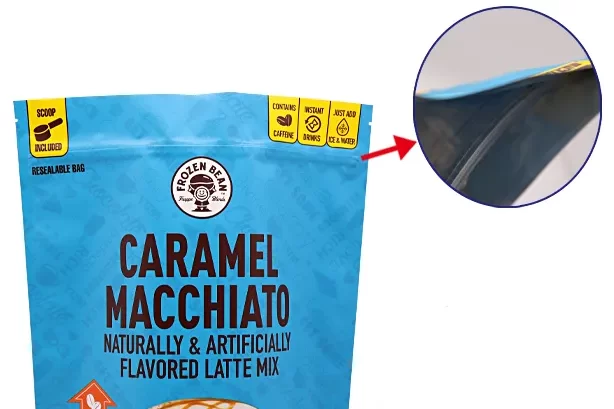
Pros
- Resealable after opening
- Helps maintain freshness
- Improves user convenience
- Adds consumer value
Cons
- Slightly higher production cost
- Additional manufacturing process
One-Way Degassing Valves
A critical feature for freshly roasted coffee.
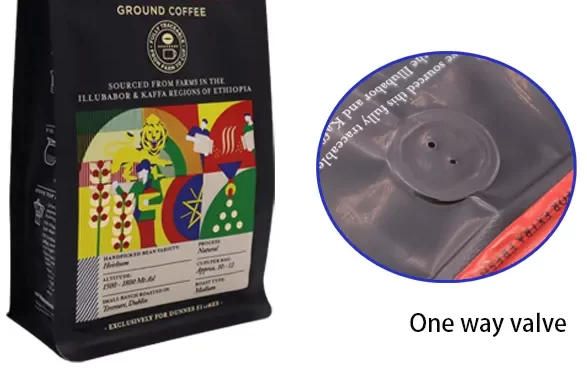
Pros
- Releases carbon dioxide
- Prevents pouch expansion
- Preserves coffee aroma
- Extends product freshness
Cons
- Additional material cost
- Extra assembly process
Transparent Windows
Many brands want customers to see the product before purchasing.
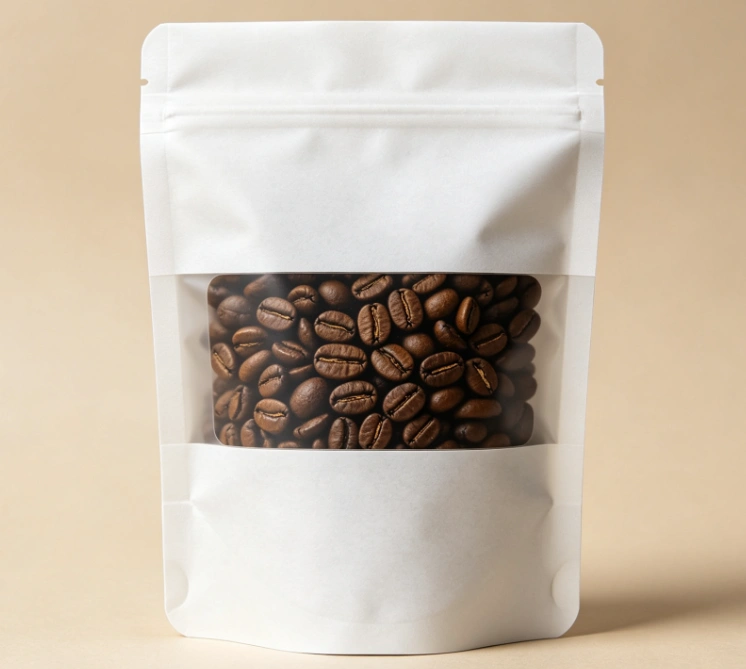
Pros
- Improves shelf appeal
- Builds consumer trust
- Highlights product quality
Cons
- May reduce overall barrier performance if not designed correctly
- Requires careful structural planning
Matte Finish
Matte finishes have become increasingly popular among premium food brands.
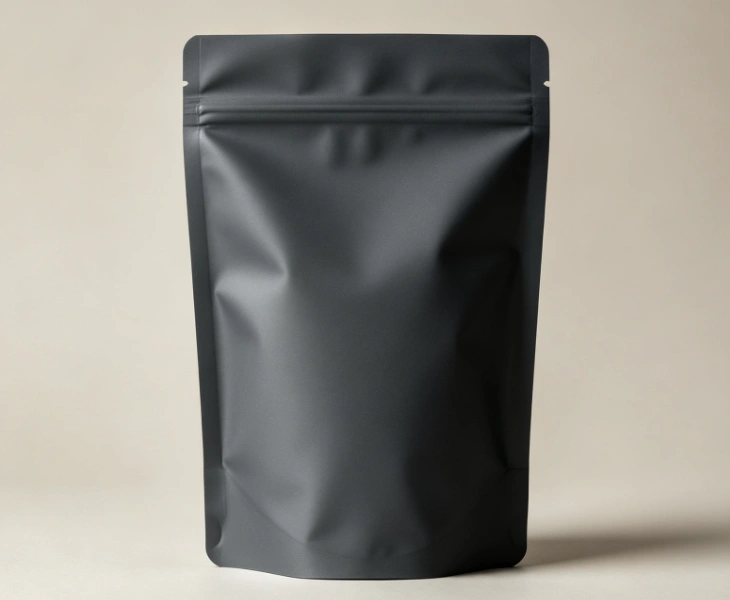
Pros
- Elegant appearance
- Premium tactile feel
- Stronger brand differentiation
- Reduced glare under retail lighting
Cons
- Additional surface treatment cost
Gloss Finish
Gloss remains a popular option for vibrant retail packaging.
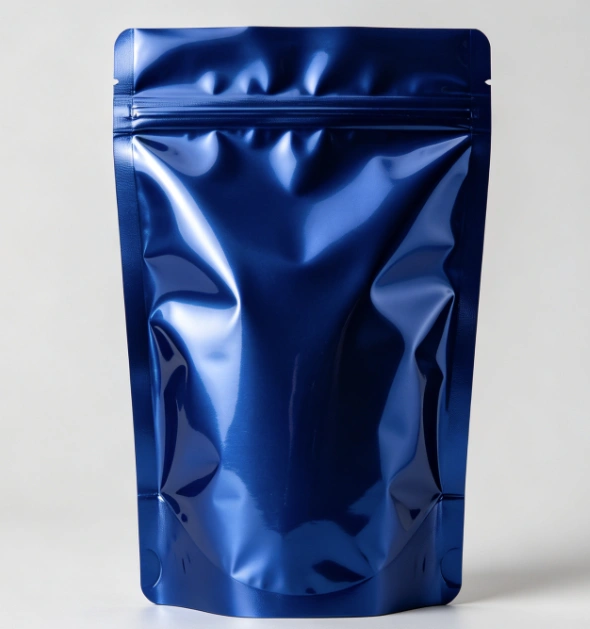
Pros
- Bright colors
- Eye-catching appearance
- Cost-effective finishing option
Cons
- Shows fingerprints more easily
- Less premium appearance for some luxury brands
Easy-Tear Notches
Small design improvements can significantly enhance user experience.
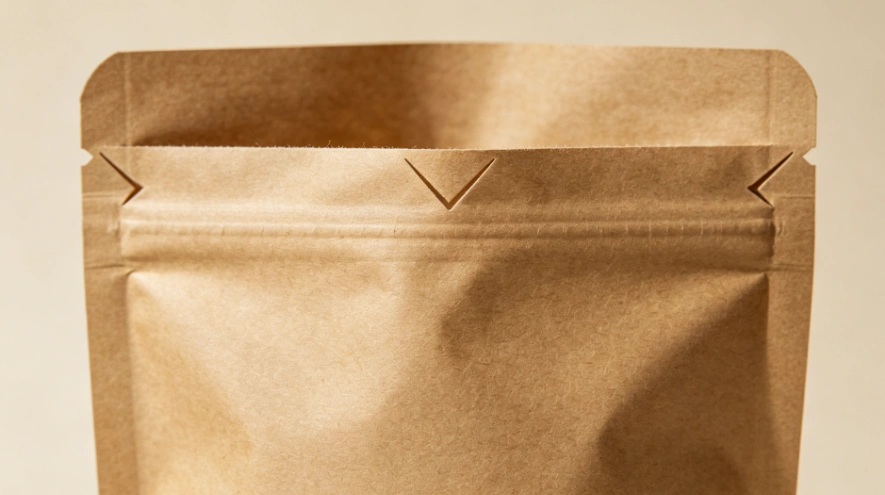
Pros
- Easy opening
- No scissors required
- Better customer satisfaction
Cons
- Minor increase in production complexity
How to Reduce Custom Flexible Packaging Cost Without Sacrificing Quality
Many buyers focus only on negotiating lower prices.
However, experienced packaging engineers know that reducing custom flexible packaging cost is about optimization—not simply choosing the cheapest materials.
Here are several proven strategies.
1. Choose the Right Barrier Level
Higher barrier materials are not always necessary.
Select materials based on:
- Product type
- Shelf-life requirements
- Distribution conditions
- Export destination
- Среда хранения
Matching barrier performance to actual needs helps avoid unnecessary material costs.
2. Optimize Package Dimensions
Oversized packaging wastes material and increases transportation costs.
Optimizing bag dimensions can reduce:
- Film consumption
- Shipping costs
- Warehouse space
- Packaging waste
3. Select the Most Suitable Printing Method
For:
- New product launches → Digital Printing
For:
- Stable, long-term production → Gravure Printing
Choosing the appropriate printing process based on production volume can significantly improve cost efficiency.
3. Plan Production in Advance
Rush orders often increase manufacturing costs due to expedited scheduling and logistics.
Forecasting demand and placing orders early helps:
- Improve production efficiency
- Reduce urgent shipping fees
- Maintain stable supply
- Lower overall procurement costs
4. Work with an Experienced Packaging Manufacturer
Perhaps the most effective way to optimize custom flexible packaging cost is to partner with a manufacturer that understands packaging engineering.
An experienced supplier can recommend:
- The most appropriate material structure
- Suitable barrier performance
- Cost-effective bag styles
- Printing solutions
- Functional features that deliver value without unnecessary expense
Instead of simply quoting prices, the right manufacturer helps optimize your entire packaging solution for long-term commercial success.
What to Look for in a Packaging Partner
When comparing suppliers, consider more than price alone.
A professional flexible packaging manufacturer should provide:
- Food-grade certified materials
- Professional packaging engineering support
- Material structure recommendations based on your product
- Stable production quality
- Строгий контроль качества
- Flexible OEM & ODM services
- Reliable delivery schedules
- Export experience for international markets
- Design assistance for branding and packaging optimization
Pros of Working with an Experienced Manufacturer
Pros
- Reduces costly packaging mistakes
- Optimizes custom flexible packaging cost
- Improves product shelf life
- Supports brand differentiation
- Simplifies project management
- Provides long-term supply stability
Cons
- Initial consultation may require more detailed communication
- Premium manufacturers may not always offer the absolute lowest quotation—but they often deliver better long-term value
Professional Insight: The true cost of packaging is measured not only by the price per bag, but also by its impact on product protection, logistics, customer satisfaction, and brand reputation.
Часто задаваемые вопросы
Q1. What affects custom flexible packaging cost the most?
The biggest factors include:
- Структура материала
- Barrier requirements
- Bag style
- Метод печати
- Order quantity (MOQ)
- Additional features such as zippers, valves, windows, and special finishes
Material selection and production volume usually have the greatest impact on overall cost.
Q2. How can I reduce custom flexible packaging cost?
Several strategies can help lower costs without sacrificing packaging performance:
- Select the appropriate barrier material instead of the highest-spec option
- Optimize package dimensions
- Increase production quantities when demand is stable
- Choose the right printing technology
- Work with an experienced packaging manufacturer who can recommend cost-effective solutions
Q3. Is digital printing cheaper than gravure printing?
Not always.
Digital printing eliminates plate costs and is ideal for small production runs or product testing.
For medium- and high-volume orders, gravure printing generally offers a lower unit cost and better long-term production efficiency.
Q4. Does a higher packaging price always mean better quality?
Нет.
The most effective packaging solution is the one that matches your product’s protection requirements, shelf-life goals, branding strategy, and budget.
Choosing the most expensive material or structure may increase costs without delivering additional value.
Q5. What information should I prepare before requesting a quotation?
Providing detailed information helps suppliers recommend the most suitable packaging solution and prepare an accurate quotation.
Typical information includes:
- Product type
- Product weight or filling volume
- Bag dimensions (if available)
- Material requirements
- Bag style
- Printing artwork
- Expected annual order quantity
- Special functional features (zipper, valve, window, etc.)
Заключение
Understanding custom flexible packaging cost is not simply about comparing quotations—it is about making informed decisions that balance product protection, branding, manufacturing efficiency, and long-term profitability.
As this guide has shown, several key factors influence your final packaging investment, including:
- Структура материала
- Barrier performance
- Bag style
- Технология печати
- Minimum order quantity
- Functional features
- Production planning
Rather than choosing the lowest-priced option, successful brands evaluate the total value that packaging brings to their products. Selecting the right materials, optimizing bag design, and partnering with an experienced manufacturer can reduce overall costs while improving product quality, customer satisfaction, and supply chain reliability.
Whether you are packaging coffee, snacks, pet food, frozen foods, personal care products, or pharmaceutical products, understanding these cost drivers will help you make smarter purchasing decisions and maximize your return on investment.
Partner with Huiyang Packaging for Cost-Effective Custom Flexible Packaging
If you’re looking for a trusted partner to optimize custom flexible packaging cost without compromising quality, Упаковка Huiyang is ready to help.
With more than 25 years of experience in OEM and ODM flexible packaging manufacturing, we provide complete packaging solutions—from material selection and structural design to printing, production, and quality control. Our advanced production facilities, ISO9001 quality management system, and SGS/FDA-compliant standards enable us to deliver safe, stable, and high-quality packaging for customers around the world.
Нужно ли вам stand-up pouches, flat bottom bags, spout pouches, vacuum bags, rollstock film, coffee packaging, snack packaging, pet food packaging, or fully customized flexible packaging solutions, our engineering team will recommend the most suitable solution based on your product, target market, and budget.
Ready to optimize your packaging investment?
Связаться с Упаковка Huiyang today for a customized quotation, free packaging consultation, and expert guidance. We’ll help you reduce custom flexible packaging costs, enhance your brand image, and bring your products to market with confidence.