



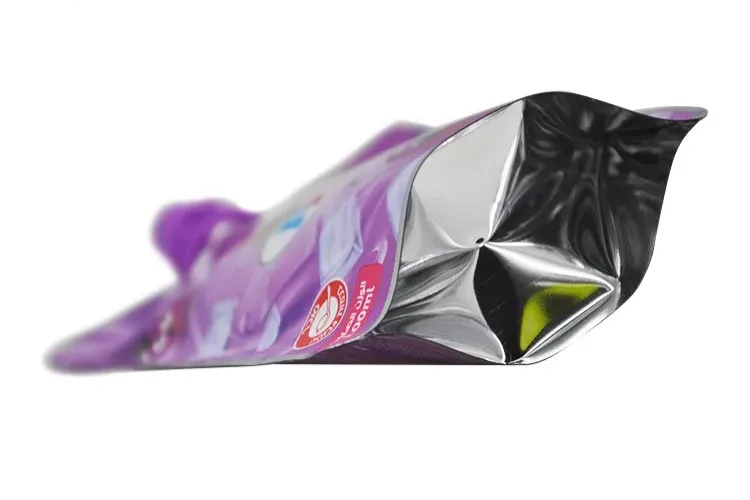
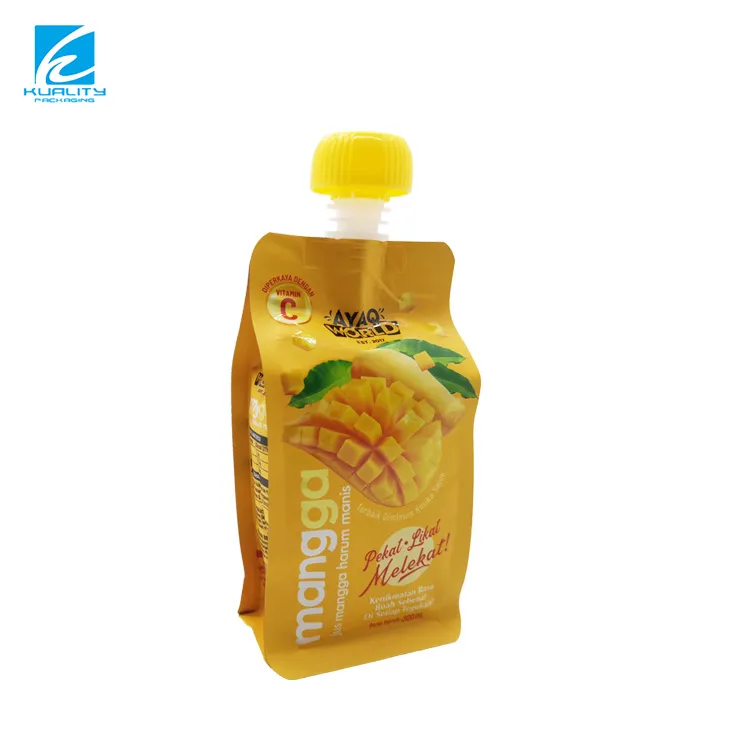
I’ve been around beverage packaging long enough to remember when everything—even coconut milk—still came in chunky glass bottles. Nice to look at, terrible to ship. Over the years, one thing has kept happening no matter how many “new materials” show up at trade shows: more and more drinks quietly move into aluminum foil bags or laminated pouches.
People sometimes ask me, half-joking, “Is it because it’s cheap?”
No. If only things were that simple.
It’s mostly because beverages, for all their vibrant colors and fancy marketing, behave like delicate little creatures once you start moving them around.
Let me ramble through the reasons the way I’d explain it over a quick factory visit.
Drinks Go Bad Faster Than Most People Think
If you’ve ever made fresh juice and left it out for a few hours, you know it doesn’t take long before the color turns dull and the flavor suddenly tastes like a memory of itself. That same thing happens inside a package—just slower.
Some ingredients absolutely hate being exposed to the world:
- Oxygen knocks down vitamin C so fast it’s almost rude.
- Sunlight bleaches fruit colors like an old T-shirt.
- Heat… well, heat cooks the aroma right out of anything.
There was a study I came across (don’t remember the author, but the number stuck with me) saying certain nutrients can lose 20% just from light exposure in a month. Doesn’t matter if the drink is “healthy” or “premium.” Light doesn’t care.
Aluminum foil, on the other hand, cares very much.
It blocks everything—light, air, you name it. Nothing gets through.
That’s the real magic.
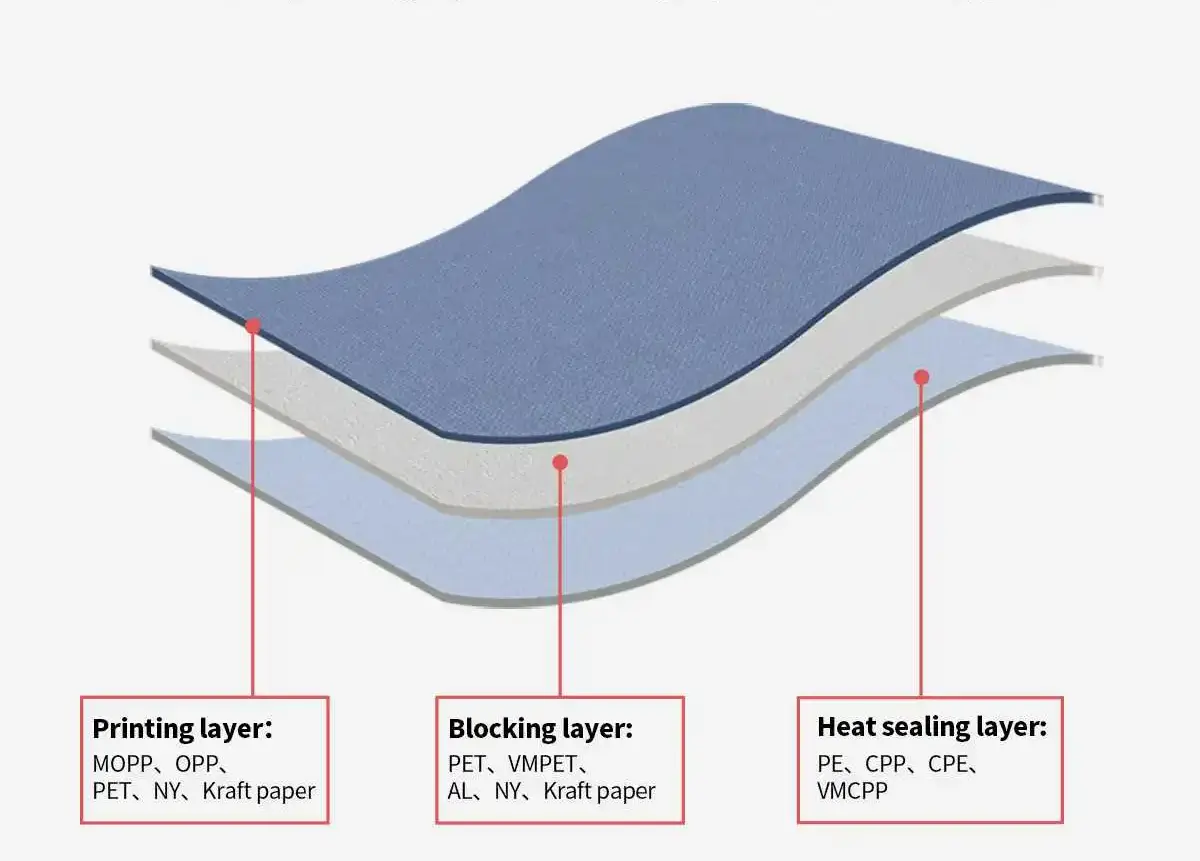
Laminated Pouches Are like Building a Sandwich, and You Get to Choose the Ingredients
If you’ve never seen how laminated films are made, imagine a weird multi-layer pancake:
- PET for stiffness and clean printing
- AL (foil) for blocking anything that might ruin the drink
- Nylon for “don’t tear me, please” strength
- PE for sealing the whole thing shut
Each layer does one job, and if the drink needs something extra, you tweak the structure. It’s like adjusting a recipe. You don’t need a new machine, just a different pile of films.
Years ago, one brand kept complaining to us that their pouches “randomly exploded.” Turned out they were shipping through a route with high temperatures and rough handling. A simple switch to PET/NY/AL/PE solved the whole thing. Nothing fancy. Just small engineering.
Protection Function is The First Priority
People outside the industry don’t realize how violent a filling line can be. Drinks are blasted in at 85–90°C, sealed in under a second, then tossed through cooling tunnels like laundry.
Some drinks even face 121°C sterilization, which is basically asking the pouch to survive a sauna and pretend nothing happened.
No single material survives all that while keeping the drink inside safe. That’s why laminated pouches became the default—they’re customizable armor.
Shelf Life Is Not a Suggestion; It’s a Silent Battlefield
If you only sell locally, you don’t think too much about shelf life. But when your drink has to survive a container ship sitting in tropical heat for 40 days, suddenly you start caring about barrier properties like they’re your children.
Different structures give wildly different results:
- Regular transparent PET pouch: 3–4 months
- Higher-barrier EVOH pouch: 6–8 months
- Aluminum foil laminated pouch: often 1 year+, and still stable
Longer shelf life doesn’t just “sound good.”
It means fewer returns, fewer complaints, fewer “why is my coconut water brown?” emails.
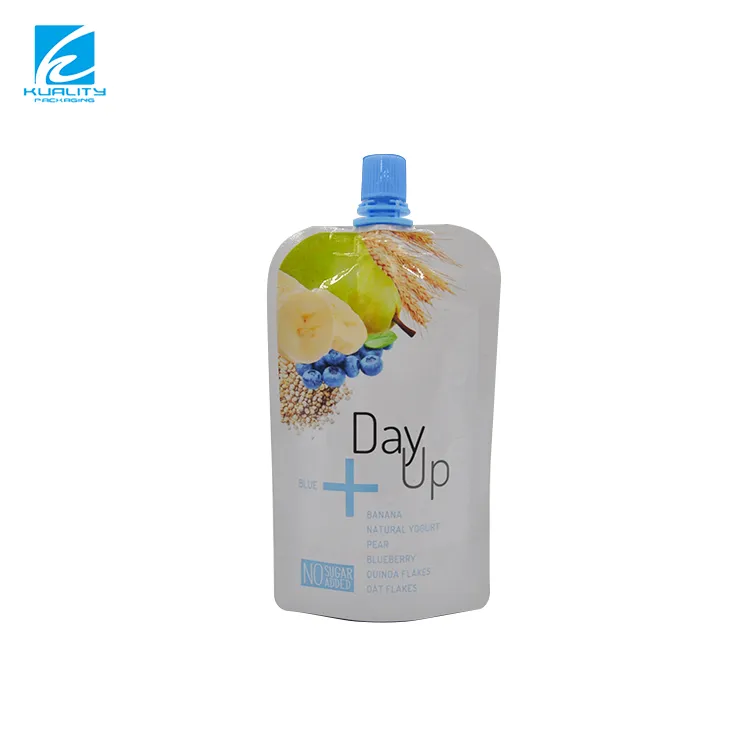
Lifestyles Have Changed, and Nobody Wants to Carry a Bottle Anymore
Look around: people want to toss something in a backpack and forget about it. No one wants glass; fewer people want hard plastic; everyone wants something light.
A typical 200 ml pouch weighs 5–6 grams.
A same-size glass bottle? Try 150–200 grams.
Laminated pouches don’t break. They don’t cut your hands. They don’t explode in your suitcase. It’s no surprise that consumers quietly chose convenience over everything else.
Designers Love Pouches for a Reason
Pouches are cheap to print and look good even without expensive tricks. You can do matte, metallic, soft-touch—whatever you want—without dealing with bottle molds that cost enough to ruin your week.
In crowded categories like kids’ drinks or juice shots, the pouch design is often what makes shoppers stop and think, “Hmm… maybe I’ll try this one.”
Trust me: in the battle for shelf attention, a shiny metallic pouch does more for a new brand than any marketing slogan.
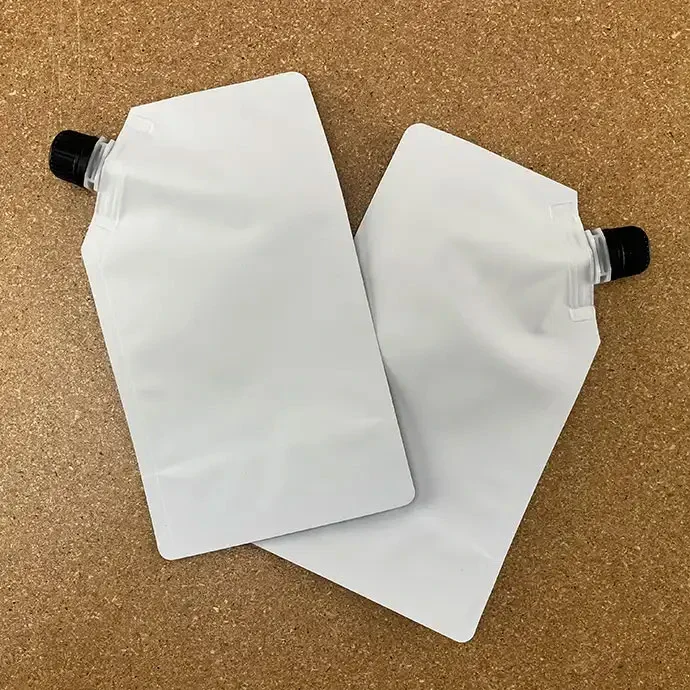
Generally, Indeed, Laminated Pouches Usually End up Cheaper
You’d think adding multiple layers would make them expensive, but you actually use less material overall.
A pouch needs a few grams of total film.
A PET bottle uses three to five times more raw plastic.
- Less material → lower cost
- Less weight → cheaper shipping
- Less damage → fewer losses
When the accountants run the numbers, pouches almost always win.
The short version? Pouches solve problems you don’t see at first glance.
I’ve seen trends come and go—PLA bottles, biodegradable films, “smart packaging,” you name it. Some stuck, most didn’t. But aluminum foil pouches and laminated bags? They earned their place the old-fashioned way: by working.
- They keep drinks stable.
- They survive long shipping.
- They’re cheap enough to scale.
- People like using them.
In this industry, that’s basically the entire bingo card.
If you ask me, laminated pouches are not going anywhere anytime soon.