


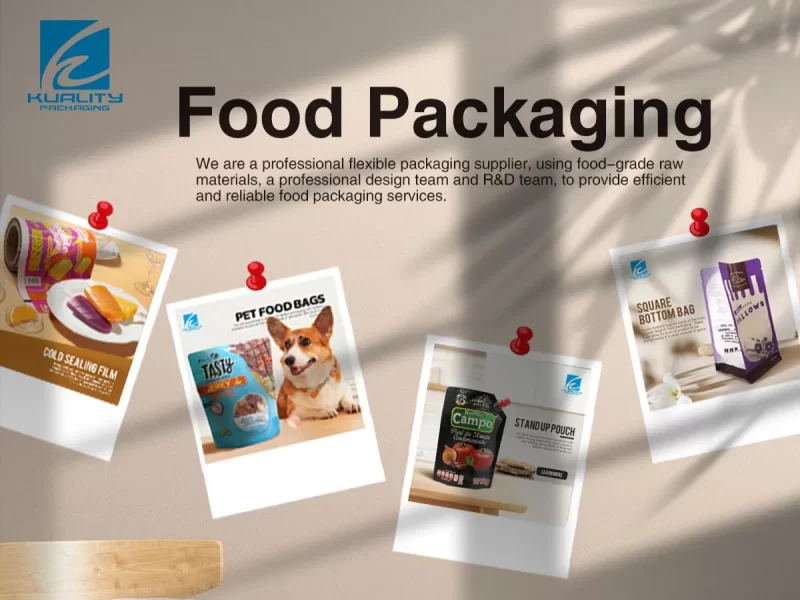
In the global food industry, custom food packaging bag requirements vary significantly across different markets. Similar food products often need very different packaging approaches depending on regulations, logistics, and production constraints. At 후이양 포장, we help brands navigate these differences to design reliable and market-ready solutions.
Case 1 — U.S. Market: Seal Stability in Snack Food Packaging
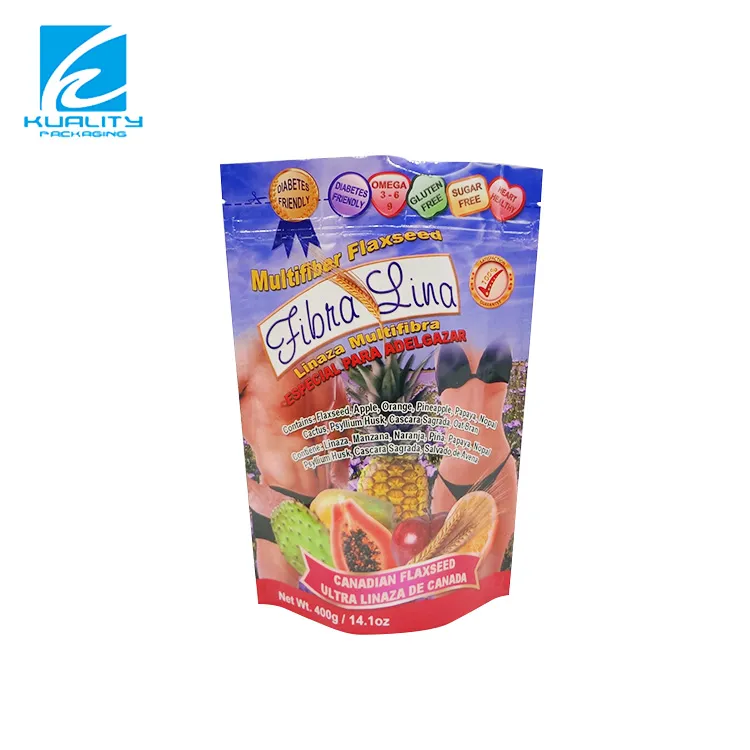
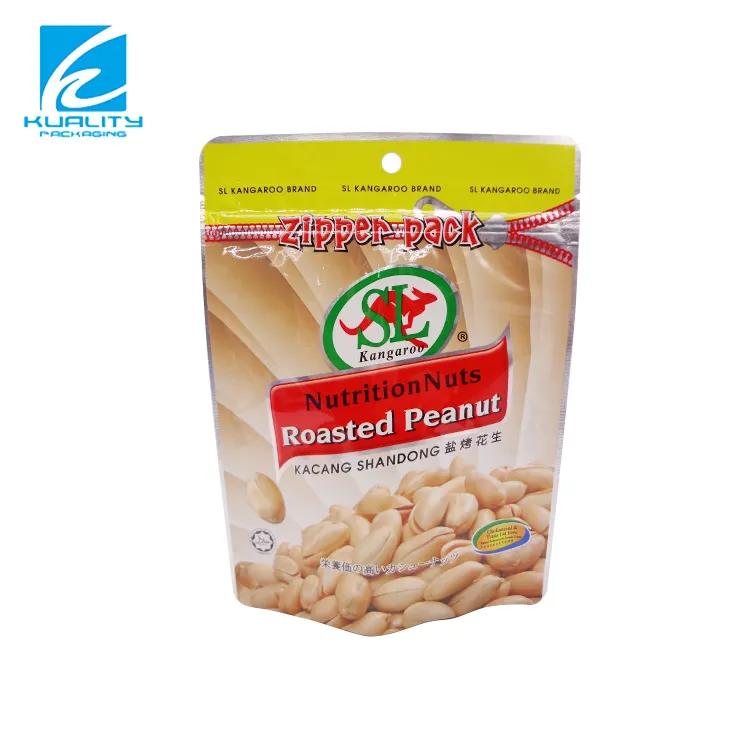
Project type: Stand-up pouch for dried fruits & nuts
In the U.S., sealing issues are a top concern for 맞춤형 식품 포장 백 used for snacks like dried fruits and nuts. Even minor inconsistencies in heat sealing can cause air leakage, reduced freshness, and consumer complaints.
This project involved a U.S.-based snack brand producing dried fruits and mixed nuts. Their products were sold through both regional supermarket chains and online platforms. The client contacted us while reviewing alternative packaging suppliers, mainly due to repeated sealing issues with their existing stand-up pouches.
After receiving physical samples, our first step was to analyze the sealing area and overall pouch structure. We found that the sealing strength varied noticeably between production batches, which increased the risk of micro-leakage during transportation and handling.
At the same time, all packaging materials needed to meet FDA food contact requirements. The client also wanted to add a resealable zipper feature, but had strict cost targets, making structural changes more challenging.
Based on the product characteristics and filling conditions, we proposed a PET/PE laminated stand-up pouch with improved barrier properties. Instead of simply increasing material thickness, we adjusted the thickness distribution between layers to improve sealing reliability. Heat sealing parameters were also optimized according to the client’s filling equipment.
To address cost concerns, we recommended a zipper option that could be integrated without changing the pouch dimensions. Several rounds of pre-production samples were produced and tested for sealing strength, leakage, and basic drop performance before approval.
After the new packaging was launched, sealing-related issues were significantly reduced. Packaging costs remained within the original target range, and the client continued placing repeat orders, later extending the solution to additional SKUs.
-1.webp)
Case 2 — EU Market: Reducing Plastic Without Compromising Logistics
Project type: Flexible packaging for private-label retail food
Plastic reduction is a major trend in the EU, but ultra-thin 맞춤형 식품 포장 백 can compromise durability during transportation. A private-label supplier serving European supermarkets worked with 후이양 포장 to balance sustainability and performance.
The existing packaging was already close to its performance limit. Early downgauged samples showed higher failure rates during drop testing, especially under stacked transportation conditions.
Rather than pursuing the thinnest possible structure, the final decision focused on balancing material reduction with mechanical strength. Several layers were adjusted based on their actual contribution to durability.
After repeated transportation simulation and drop tests, the final structure achieved a 10–15% plastic reduction while maintaining stable performance. The client later applied the same structure to multiple product lines.
Case 3 — Australian Market: Coffee Packaging Beyond Barrier Performance
Project type: Retail coffee pouch with degassing valve
In coffee packaging, barrier performance is often discussed first, but many issues appear after barrier requirements are already met.
This project involved a specialty coffee roaster supplying premium retail coffee beans in Australia.
Although the original structure met oxygen and moisture barrier targets, shelf life and filling stability were inconsistent. The client was unwilling to modify their filling line, which limited available options.
A kraft paper/aluminum/PE structure was selected, but early sampling revealed instability around the degassing valve at higher filling speeds. Reducing filling speed was discussed but rejected due to efficiency concerns.
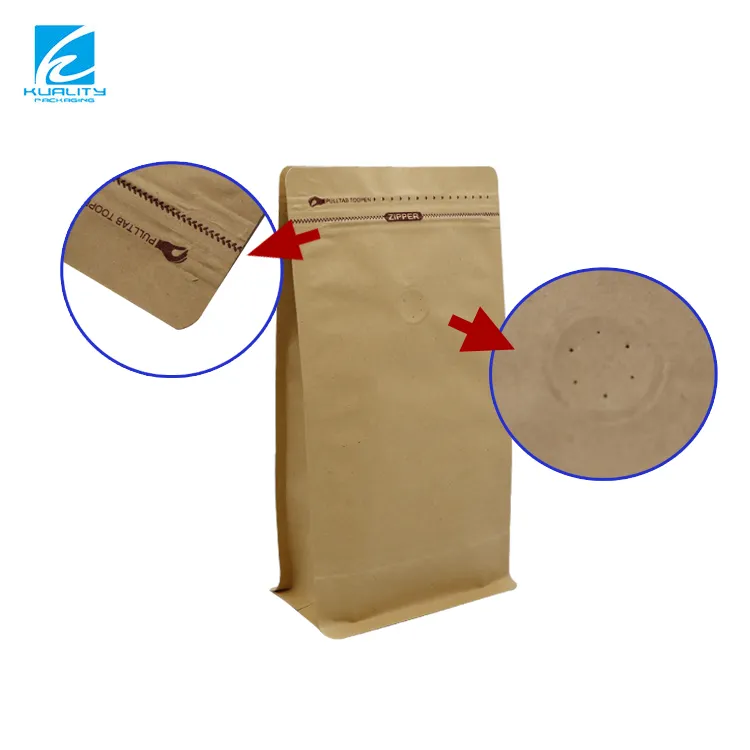
Several rounds of adjustments were made to valve positioning and local stiffness. The first adjusted version improved performance but was still not fully stable. After additional sampling, the filling process reached an acceptable level of consistency.
After market launch, shelf life became more stable, and aroma retention improved. The structure later became the baseline for future coffee products.
Key Takeaways
Across the U.S., EU, and Australian markets, successful custom food packaging bag solutions from 후이양 포장 were shaped not by ideal designs but by real production constraints. Factors such as sealing stability, transportation risks, and filling line limitations often determine long-term success.
Working with a trusted food packaging bag manufacturer like 후이양 포장 ensures that your products maintain freshness, reduce losses, and satisfy customers worldwide. Understanding market-specific requirements is essential when designing 맞춤형 식품 포장 백 that balance performance, cost, and sustainability.