


In the competitive global food market, the integrity of your packaging is as critical as the flavor of your product. For brand owners and procurement managers, a failure in a snack pouch isn’t just a logistical hiccup—it’s a threat to food safety and brand reputation. Most packaging failures, from delamination to oxidation, don’t stem from the choice of material alone; they are usually rooted in a lapse in factory-level process controls.
Huiyang, a custom flexible packaging manufacturer, is delighted to share this comprehensive checklist to serve as a professional audit tool to ensure your snack pouch supplier meets global industrial standards.
Why Factory Capability Defines Your Snack Brand’s Success
The journey of a snack pouch begins long before it reaches the retail shelf. While many buyers focus on the “unit price,” the true cost of sourcing includes the risk of leakage, shelf-life reduction, and customs delays. A factory with robust controls ensures that every snack pouch delivered is identical to the approved golden sample, preventing costly recalls and protecting your bottom line.
Core Quality Control (QC) Systems
A world-class snack pouch factory must operate under a “prevention-first” philosophy. Your audit should verify:
- Incoming Material Inspection: Are resins, films, inks, and adhesives batch-tested upon arrival?
- In-Process Controls (IPC): During high-speed lamination and printing, does the factory monitor tension, temperature, and line speed in real-time?
- Traceability: Each batch of snack pouch units must be traceable back to the raw material lot and the specific production shift. This is non-negotiable for export accountability.
Barrier Performance: Protecting Freshness
The primary function of a snack pouch is to create a controlled environment.
- OTR & MVTR Testing: Oxygen Transmission Rate (OTR) and Moisture Vapor Transmission Rate (MVTR) determine how long your snacks stay crunchy. A reliable factory that is aiming at the overseas market should have an in-house lab to verify these metrics.
- Material Structure Confirmation: Whether you use PET, BOPP, or high-barrier EVOH, the factory must prove the layer thickness matches your specifications using micro-caliper checks.
- Chemical Migration: For high-fat snacks, the snack pouch must resist oil penetration and ensure zero chemical migration( there is no true zero chemical migration physically; we are talking about it in compliance with related regulations) from the ink to the food.
Mechanical Integrity & Functional Testing
A snack pouch must survive the “torture test” of global logistics.
- Burst & Drop Tests: These simulate the pressure changes in air cargo and the impact of being dropped in a warehouse.
- Seal Strength: Using a tensile tester, the factory must ensure the heat seal can withstand internal pressure without peeling.
- Zipper Functionality: A snack pouch is often multi-use. The resealable zipper must maintain its “click-lock” feel even after repeated opening.
To help you benchmark your supplier’s laboratory capabilities, we have summarized the critical technical targets in the following reference table:
| Test Category | Industrial Standard | Target Objective |
| Seal Strength | ASTM F88 | Prevent leakage during transit |
| Color Accuracy | 𝛥E < 2.0 | Brand visual consistency |
| Solvent Residual | GC Analysis | Food safety and odor control |
| COF (Friction) | ASTM D1894 | High-speed filling efficiency |
Printing Quality & Food-Contact Compliance
The visual appeal of your snack pouch is your first handshake with the consumer.
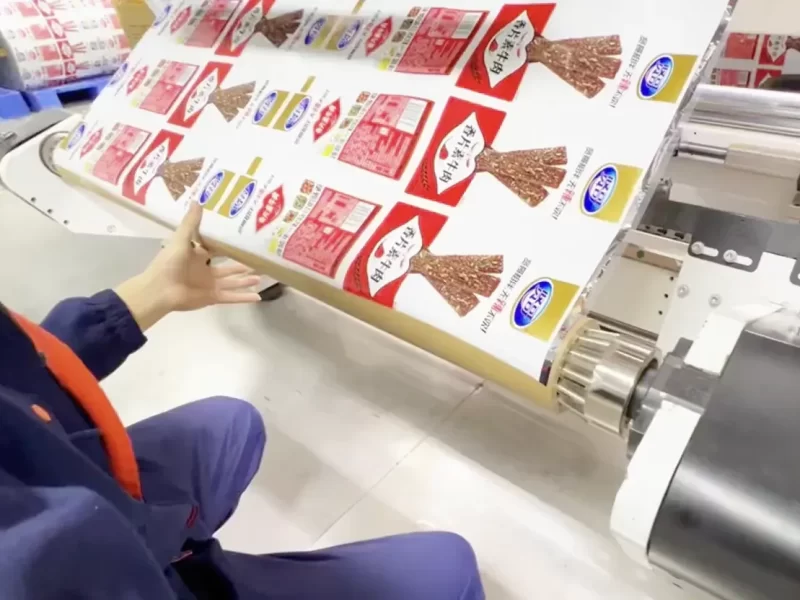
- Color Consistency: Factories should use spectrophotometers to ensure color deviation (𝛥E) stays within a tight tolerance across different production runs.
- Ink Safety: Verify that the factory uses food-grade, low-migration inks (water-based or solvent-free lamination) that comply with FDA or EU 10/2011 regulations.
- Rub Resistance: The graphics on a snack pouch should not scuff or peel during handling.
Navigating Export Standards and Compliance
For exporting snack pouches from factories, they need to be verified by:
- Certifications: ISO 9001, HACCP, and BRC (Global Standard for Packaging Materials).
- Documentation Readiness: The ability to provide a “Declaration of Compliance” (DoC), Heavy Metal test reports, and accurate HS codes (usually Chapter 3923).
- Customs Experience: Knowledge of destination-country requirements prevents your shipment from being quarantined.
Red Flags: When to Walk Away
During a factory visit or virtual audit, watch for these warning signs:
- Generic Test Reports: If they provide the same report for every client, they aren’t testing your specific snack pouch structure.
- Poor Housekeeping: Dust and debris in the lamination area lead to “pinholes,” the silent killers of shelf life.
- Vague Traceability: If they cannot show you the “birth certificate” of a random pouch on the floor, their QC is a facade.
Conclusion: Sourcing as a Risk Partnership
In the world of flexible packaging, the lowest price is rarely the lowest cost. Choosing a supplier for your snack pouch is about choosing a partner who understands the physics of barriers, the chemistry of inks, and the rigor of international law. By using this checklist, you move beyond “buying bags” and start building a resilient, high-quality supply chain.
Informazioni su Huiyang
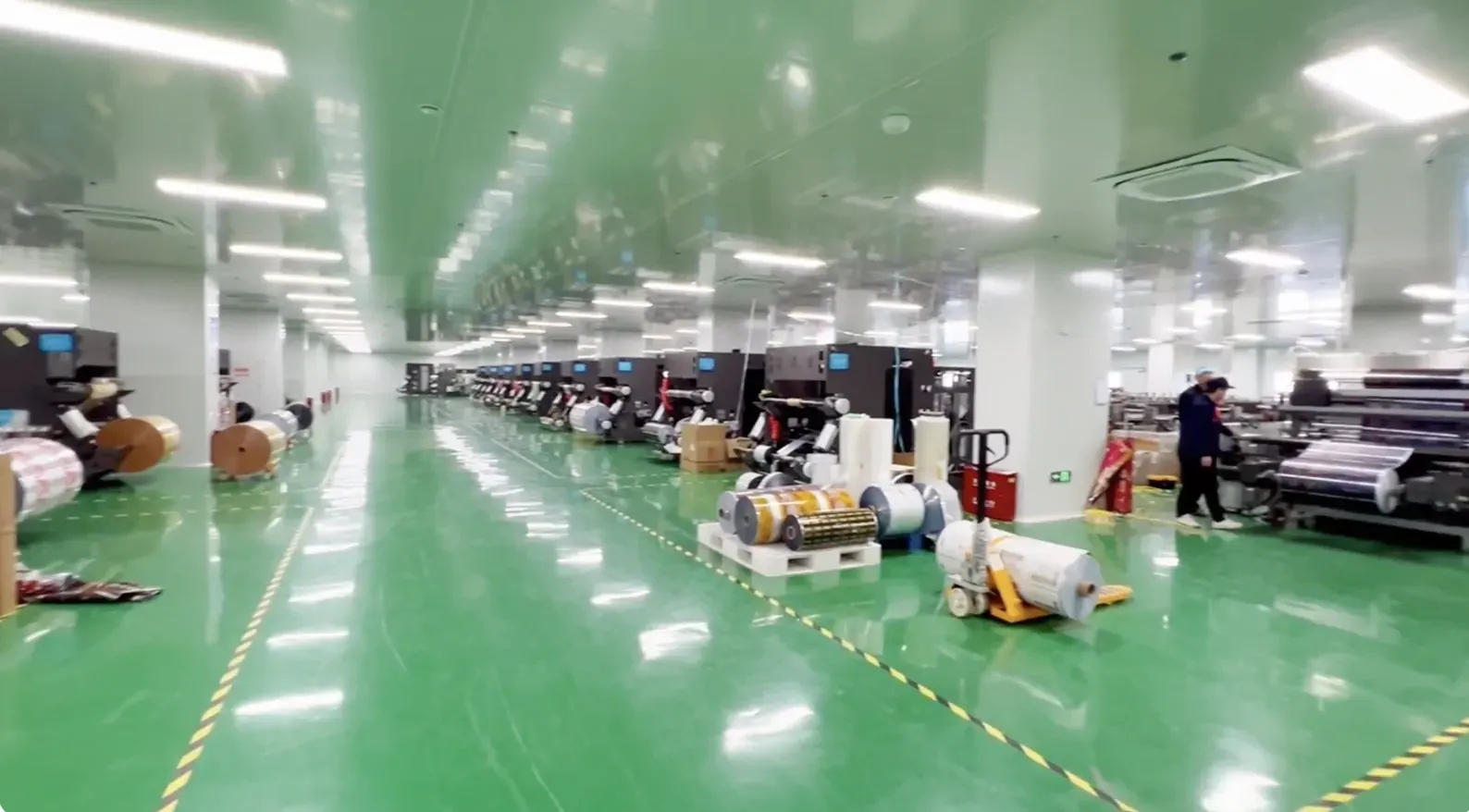
The video above shows Huiyang Packaging’s factory, which meets the standards for exporting OEM and ODM, bright, clean, and dustless.
As a leading custom flexible packaging manufacturer, Huiyang is capable of providing wholesale snack pouches e soluzioni di imballaggio flessibile personalizzate.
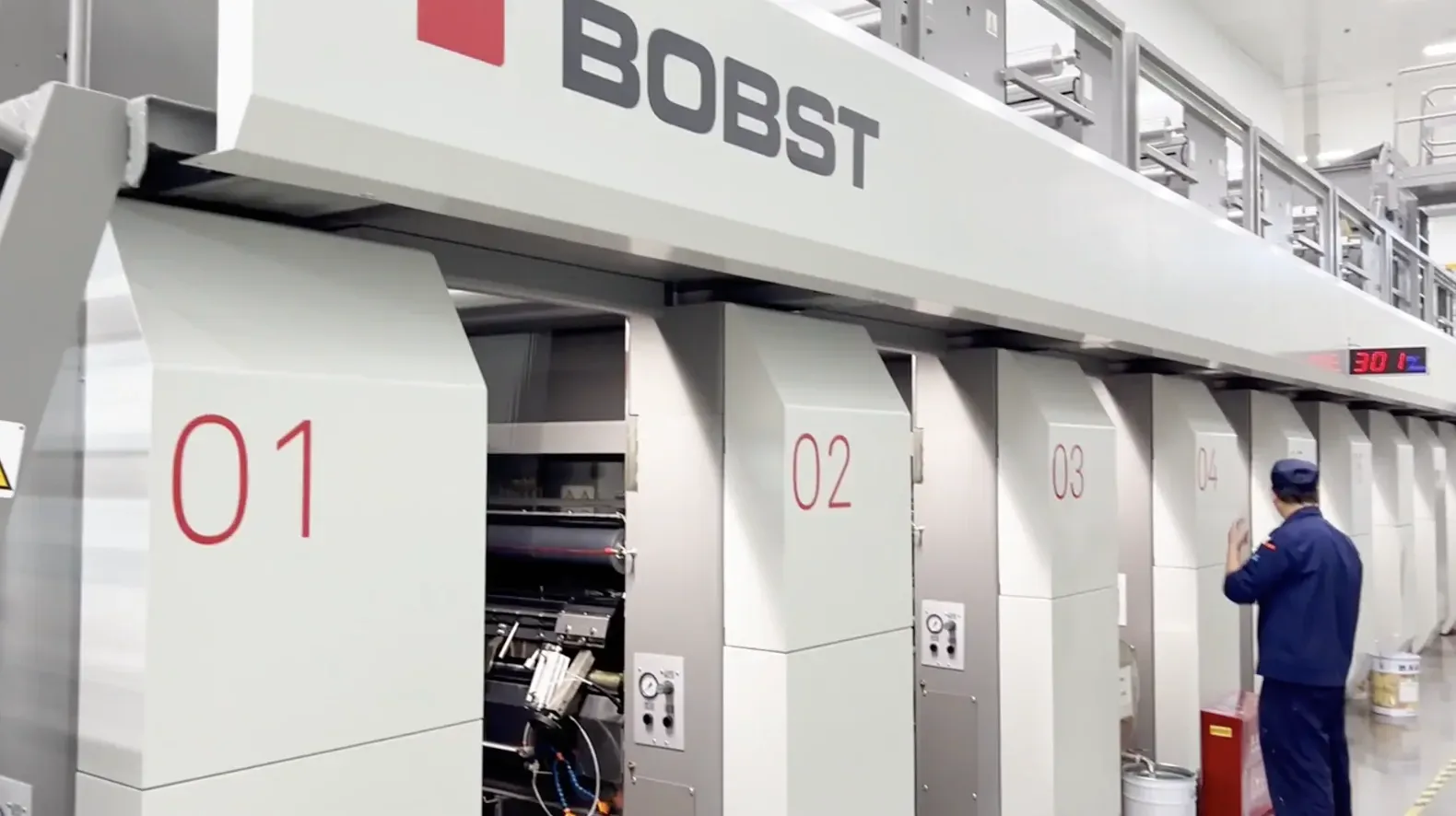
Our factory features advanced BOBST printing and Sinomech laminating technology. With our hygienic workshops and innovative sample room, we demonstrate our commitment to high-quality snack pouch solutions, providing professional and reliable packaging services for global food brands.