


Brands moving from multi-layer laminates to recyclable formats increasingly evaluate the mono-material stand-up pouch. This format promises easier sorting, higher recyclate purity, and better alignment with extended producer responsibility (EPR) requirements. It also forces trade-offs: barrier performance, seal robustness, and line compatibility must be engineered, not guessed.
In this guide, Huiyang, a κατασκευαστής προσαρμοσμένης εύκαμπτης συσκευασίας, explains the benefits of the mono-material stand-up pouch in the aspects of design, function, and recycling for brands.
What Can Be Called A Mono-Material Stand-Up Pouch
A mono-material stand-up pouch is a bottom-gusseted flexible package constructed so the dominant polymer family is the same across functional layers—typically PE-to-PE or PP-to-PP. Practical implementations use co-extrusions, encapsulated barrier layers (EVOH sandwiched by PE), or high-barrier coatings compatible with the polyolefin matrix. The intention: the finished pouch can enter existing polyolefin recycling streams with minimal delamination issues.
Core Design Considerations of Mono-Material Stand-Up Pouch
There are four engineering dimensions that a successful mono-material stand-up pouch should achieve.
1. Material system and barrier strategy
- Choose PE-based or PP-based structures depending on recyclability targets and thermal needs.
- For oxygen-sensitive products, consider encapsulated EVOH or inorganic coatings (AlOx/SiOx) within a polyolefin envelope.
- Validate MVTR/OTR under real RH/T conditions, not just lab sheets.
2. Seal engineering
- Specify sealant chemistry and seal window: mPE, CPP, or specific PE grades must match your line speed and dwell time.
- Define seal geometry and minimum seal width to achieve the target burst pressure.
- Include test criteria: seal strength (N/15 mm), burst, and creep testing.
3. Structural rigidity and bottom gusset design
- Reinforce base stability with MDO-PE, BO-PP, or optimized gusset folds to maintain shelf-facing posture.
- Balance micron vs stiffness: thinner films can be engineered for rigidity via orientation technologies rather than simple thickening.
4. Printing and aesthetics
- Surface printability differs from metalized laminates. Reverse-print workflows or higher-opacity inks can achieve premium looks while preserving recyclability.
- Water-based inks and low-migration systems are preferred for sustainability claims; require DoC and migration testing.
Functional Performance of Mono-Material Stand-Up Pouch Compared to Multi-layer Laminates
Expect performance gaps and plan mitigation:
- Barrier: foil and VMPET still lead in MVTR/OTR. Mono solutions approach those levels only with specialized coatings or EVOH encapsulation.
- Αντοχή σε διάτρηση: nylon/PET layers outperform basic PE; include puncture-resistant layers where contents are sharp or abrasive.
- Temperature tolerance: PP systems typically offer better heat resistance (hot-fill/retort) than PE systems—select accordingly.
Decide by product category: dry snacks, frozen foods, and many powders are good candidates; long-life, high-oil or retort liquids are less so.
Recycling Benefits Mono-Material Stand-Up Pouch and Real-World Caveats
Benefits:
- Mono pouches reduce delamination rejection in mechanical recycling streams.
- Higher recyclate purity increases value for reprocessors.
- Easier compliance with EPR goals and retailer sustainability requirements.
Caveats:
- Local collection and sorting infrastructure must accept film pouches; otherwise, claims are misleading.
- Fitments, labels, or adhesives can negate recyclability if they are incompatiblewith polymers. Specify full-system compatibility or clear consumer instructions for disassembly.
Manufacturing and Line Integration
Transitioning to a mono-material stand-up pouch is a supply-chain project, not a one-off material swap.
- Run pilot fills on the actual filler (form-fill-seal or pre-made pouch line).
- Validate seal integrity at production speed and after simulated transport stresses.
- Confirm zipper and spout fitment compatibility—many fitments are PP; if using a PE pouch, select PE-compatible fitments or define the recycling boundary clearly.
- Update SOPs to reflect new sealing windows and web-handling parameters.
Expect initial yield dips during ramp; budget pilot and validation runs into the project cost.
Testing and Acceptance Criteria
Specify measurable acceptance criteria in the RFQ and contract:
- Batch-level MVTR/OTR reports with test conditions (RH, T).
- Seal strength, burst, and creep data from pilot production.
- Drop, package compression, and vibration tests replicating the distribution profile.
- Retention samples and lot traceability.
- Migration and organoleptic testing of food-contact inner webs are altered.
Make pilot acceptance contractual: no mass production before passing agreed tests.
Typical Applications That Work Well
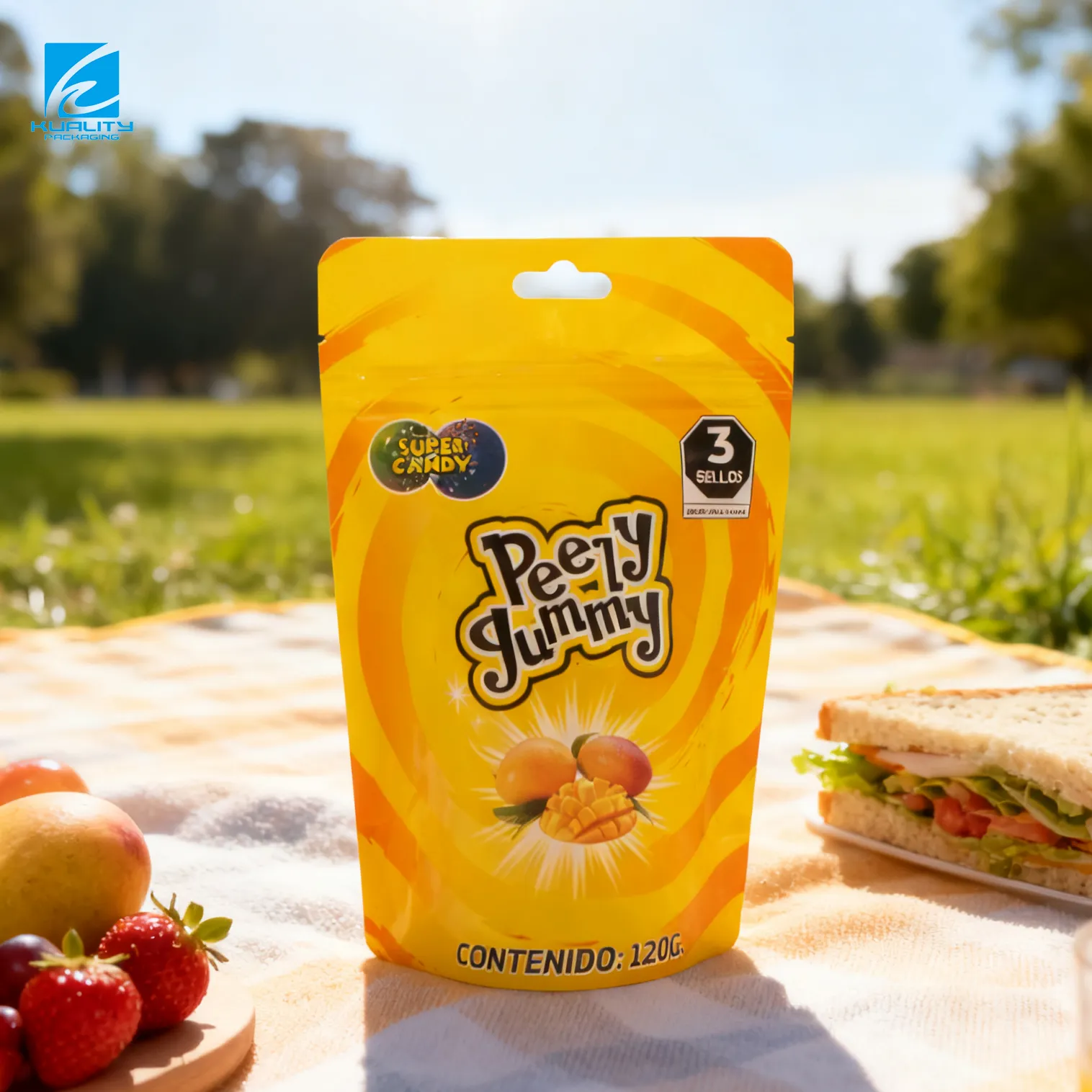
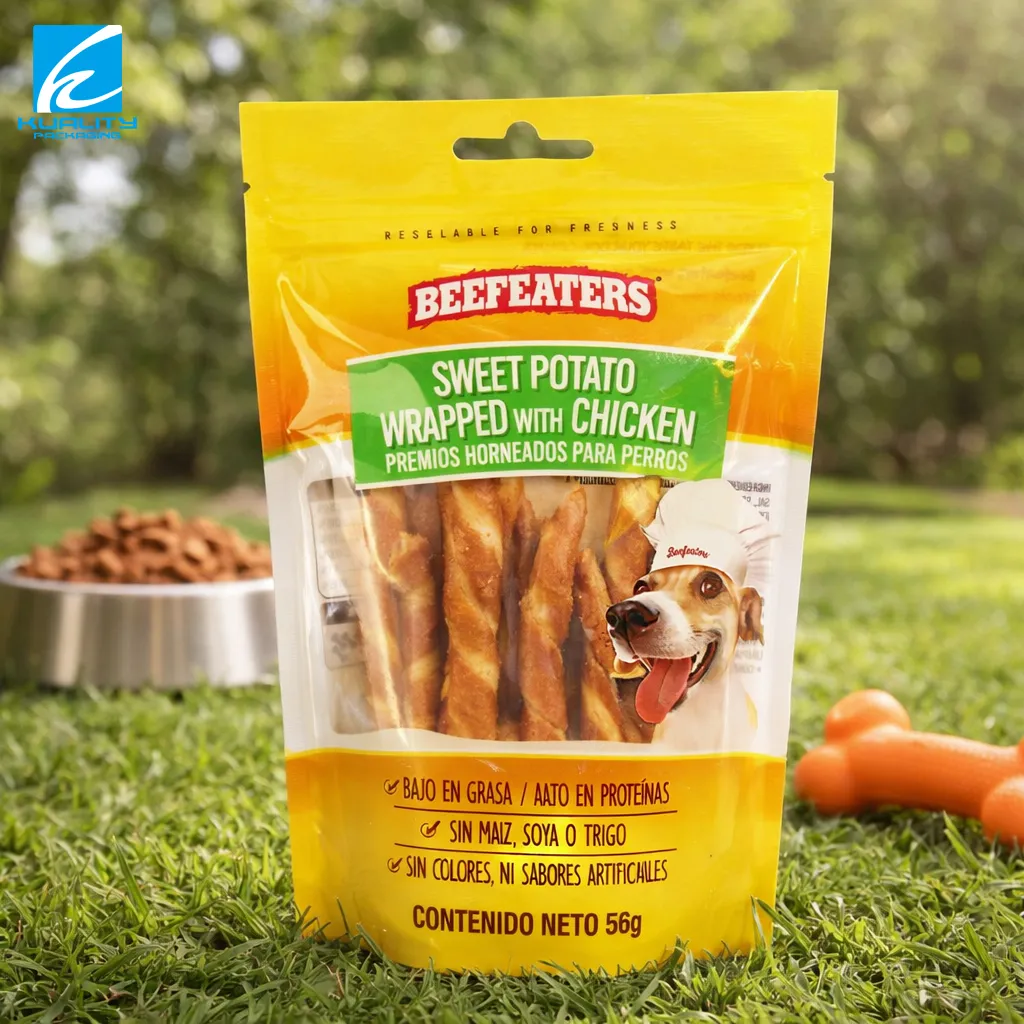
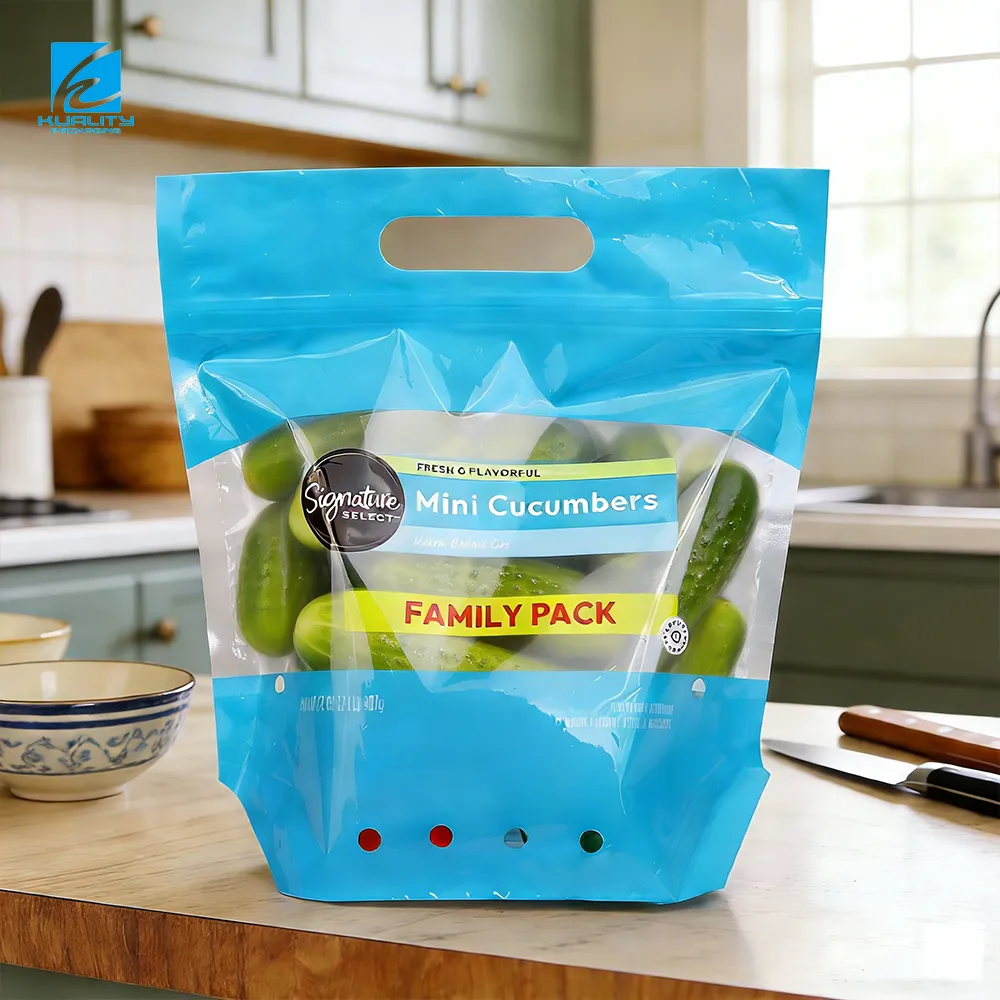
Best initial candidates for a mono-material stand-up pouch:
- Dry snacks and cereals
- Frozen-ready meals and ingredients
- Powdered supplements and dry pet food
- Non-food refills (detergent, personal care concentrates)
Use conservative pilots for liquids, high-fat content products, or retort applications.
Implementation Tips For Brands
- Audit the current laminate and define the target MVTR/OTR and shelf life.
- Run lab trials with candidate mono structures (include EVOH encapsulation if needed).
- Pilot on production filler with full test protocol (seal, burst, drop, aging).
- Confirm recycling stream acceptance and prepare DoC/migration packs.
- Phased roll-out: start with non-critical SKUs, expand as confidence grows.
Future Trends to Monitor
- BOPE and MDO-PE advancements are improving stiffness without increased microns.
- Coated high-barrier polyolefins are closing the gap with metalized films.
- Increased availability of PE-based spouts and fitments to preserve full-package recyclability.
- Growth in chemical recycling pathways that tolerate mixed polymers, easing constraints over time.
Συμπέρασμα
A mono-material stand-up pouch is a viable and increasingly necessary format for brands that must reconcile product protection with circularity commitments. Success depends on engineering rigor: define barrier and seal targets, validate online at speed, and confirm recycling pathway compatibility for the entire package system. When specified and validated correctly, mono-material stand-up pouches deliver measurable sustainability gains without sacrificing the functional performance your product needs.
Σχετικά με το Huiyang

Huiyang is a specialized κατασκευαστής προσαρμοσμένης εύκαμπτης συσκευασίας focused on mono-material and high-performance stand-up pouch solutions for brand owners and converters. With integrated extrusion lamination, printing, pouch making, and in-line inspection, Huiyang maintains stable batch consistency in film structure, seal strength, and barrier performance. Production follows documented QC protocols and lot traceability to ensure repeatable results across reorders.
We support OEM/ODM mono-material flexible packaging development, including customized material systems, barrier designs, fitments, and artwork adaptation. Serving B2B clients, Huiyang delivers engineered packaging programs designed for scalability, recyclability targets, and long-term supply reliability.