




الإجابة المختصرة هي بالتأكيد. يمكن لحقيبة هريس الفاكهة أن تحافظ على القيمة الغذائية وأن تكون شكلًا آمنًا وصحيًا للمنتج، ولكن فقط عندما يتم تصميم التركيبة والمعالجة والتعبئة والتغليف والتحقق من صحتها معًا. من وجهة نظر مشتري التغليف، فإن الكيس هو تقنية تمكينية: فهو إما أن يحمي العناصر الغذائية أو يسرع من فقدانها.
هويانغ، أ شركة رائدة في مجال تصنيع العبوات المرنة المخصصة, ، يقدم دليلاً عملياً يركز على الصناعة يشرح ما هو هريس الفاكهة، وما هي العناصر الغذائية الهشة، وكيف كيس هريس الفاكهة المهروس يجب تحديدها، وكيفية تأثير طرق التعبئة على السمات الصحية، والاختبارات والوثائق التي يجب أن يطلبها المشترون.
ما هو مهروس الفاكهة - وما هي أهميته الغذائية؟
هريس الفاكهة عبارة عن هريس فاكهة متجانس (فاكهة واحدة أو مخلوطة)، يتميز بريكس (مواد صلبة) محددة، ومستويات الأس الهيدروجيني وقوام البوستويك. نقاط التغذية الرئيسية لوحدات حفظ المخزون القائمة على الهريس:
- المغذيات الأساسية: فيتامين C، وبروفيتامين A (الكاروتينات)، والبوليفينول، وبعض الألياف القابلة للذوبان، والسكريات الطبيعية.
- المكونات القابلة للاختزال: فيتامين C، وبعض مركبات البوليفينول، والمركبات العطرية المتطايرة حساسة للأكسجين والضوء والحرارة.
- الشكل الفيزيائي: يؤثر حجم الجسيمات واللزوجة على ملمس الفم والجرعات واختيار الفوهة.
أما بالنسبة للعلامات التجارية، فالهدف هو تقديم المواصفات الغذائية المعلنة عند نقطة الاستهلاك - وليس فقط عند التعبئة. وهذا الشرط يجعل خيارات التعبئة والتغليف تقنية وقابلة للقياس.
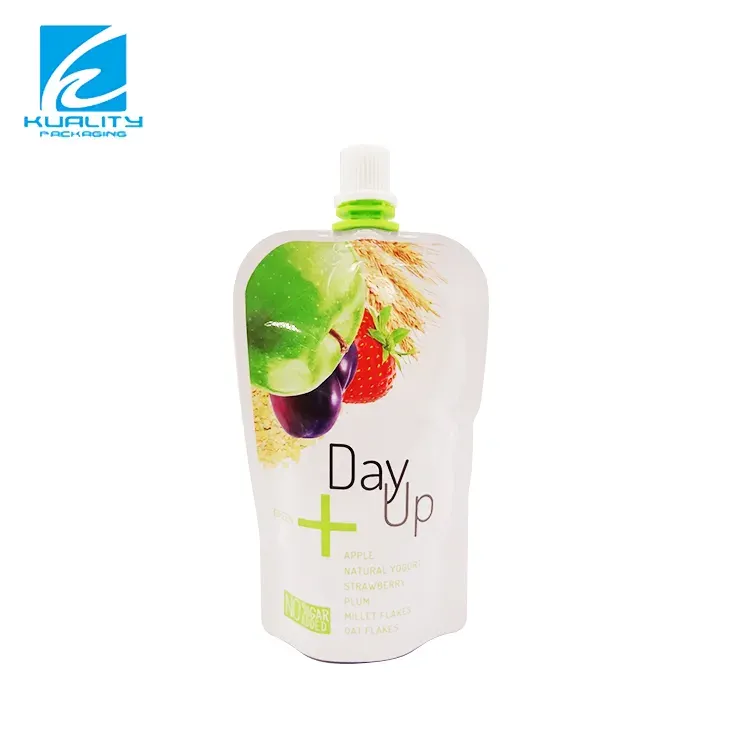
أهداف التعبئة والتغليف لحقيبة هريس الفاكهة الواقية
محدد بشكل صحيح كيس هريس الفاكهة المهروس يجب أن تفي بأهداف الحفظ هذه:
- الحد من دخول الأكسجين (OTR منخفضة) لتقليل أكسدة فيتامين C والروائح العطرية.
- كتلة الضوء (انتقال منخفض %) عندما تكون الأصباغ أو الفيتامينات حساسة للضوء.
- التحكم في تبادل الرطوبة (MVTR منخفض (MVTR) لتجنب تغيرات النسيج.
- التأكد من سلامة مانع التسرب/الفوهة لمنع التلوث وإعادة التلوث بعد الفتح.
- أن تكون متوافقة مع العملية الحرارية المختارة (تعبئة ساخنة، معقمة ومعقمة ومعقمة) دون تشويه أو هجرة.
تحديد الأهداف من الناحية الفنية - على سبيل المثال، استهداف OTR < X سم مكعب/م² في اليوم وMVTR < Y جم/م² في اليوم لفترة التخزين والتوزيع المقصودة.
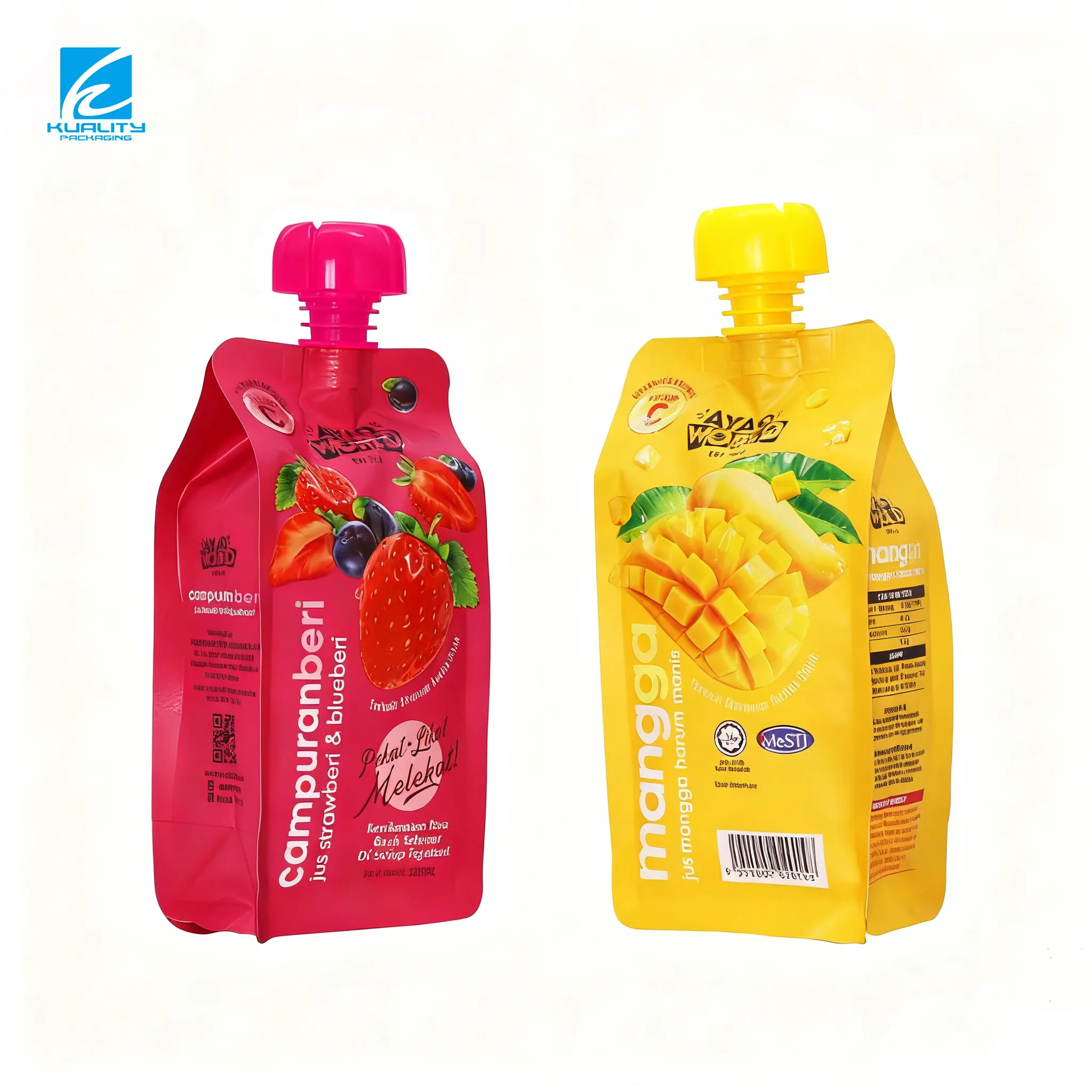
هياكل أكياس هريس الفاكهة الموصى بها
اختر عائلات التصفيح حسب العمر الافتراضي والتوزيع:
- حاجز عالي، غير شفاف (فترة صلاحية محيطة طويلة)
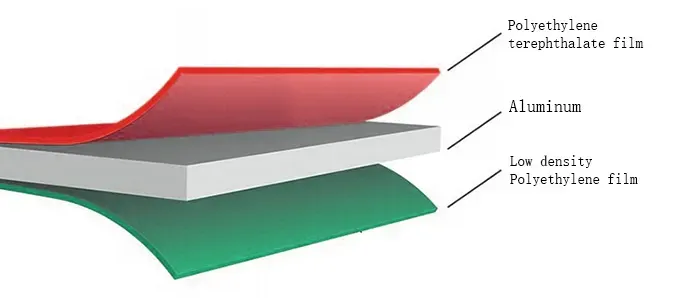
- الهيكل النموذجي: حيوان أليف/آل/بي (رقائق معدنية). تستخدم عند الحاجة إلى أقصى قدر من الضوء وحاجز الأكسجين (التصدير، فترة صلاحية طويلة).
- الأفضل لـ: المهروسات الثابتة على الرفوف ومنتجات الرضع/الأطفال ذات النقل الطويل.
- حاجز عالٍ، شبه شفاف (حاجز التوازن + الرؤية)
- الهيكل النموذجي: PET/EVOH/PE أو PET/SiOx/PE. توفر EVOH مستوى منخفضًا من البولي إيثيلين تيريفثاليت هيدروكسيل مع السماح ببعض الوضوح.
- الأفضل لـ: المهروسات المحيطة حيث تحتاج العلامة التجارية إلى رؤية جزئية ومدة صلاحية تتراوح بين 6 و8 أشهر.
- الصلابة الميكانيكية (لوجستيات مجمدة/مبردة أو خشنة)
- الهيكل النموذجي: PA/PE أو حيوان أليف/نيوزيلندا/شمال/شمال شرق بالنايلون لمقاومة الثقب.
- الأفضل لـ: المهروسات المجمدة، والتوزيع المبرد لمسافات طويلة.
- الخيارات التي تركز على الاستدامة
- مادة أحادية المادة (PE/PE أو PP/PP) ذات مقياس أكثر سمكًا وربما ماصة للأكسجين من أجل فترة صلاحية محيطة أقصر. تُستخدم عندما تكون قابلية إعادة التدوير شرطاً تجارياً قوياً ويكون التوزيع محلياً/قاصراً.
بالنسبة لـ أكياس الصنبور, حدد مادة جسم الصنبور (بولي بروبيلين بولي بروبيلين للتعبئة الساخنة/التعقيم، وبولي إيثيلين البولي إيثيلين للملء المحيط)، وقطر الصنبور المتوافق مع الجسيمات، والإغلاق المانع للعبث عند الاقتضاء.
كيفية تأثير الحشو والمعالجة على النتائج الغذائية
تؤثر خيارات المعالجة لأكياس هريس الفاكهة تأثيرًا كبيرًا على العناصر الغذائية القابلة للتلف:
- تعبئة ساخنة (70-95 درجة مئوية): مكافحة ميكروبية موثوقة؛ يسبب فقدان بعض المغذيات (خاصةً فيتامين C). يعمل مع رقائق PET/EVOH/PE أو رقائق البولي إيثيلين تيريفثاليت/إيفوه/البولي إيثيلين أو رقائق القصدير، وغالبًا ما تكون مقبولة عند التحقق من صلاحيتها. انتبه إلى مستوى المقاومة الحرارية للبولي إيثيلين البولي إيثيلين. سيخضع البولي إيثيلين منخفض الكثافة العادي (البولي إيثيلين منخفض الكثافة) إلى تليين شديد فوق 90 درجة مئوية، مما يسبب تشوهًا أو تسربًا عند نقطة الختم أثناء التعبئة بالضغط العالي.
- البسترة/التثبيت الحراري المعتدل: فقدان المغذيات بشكل ألطف، ولكنها تتطلب سلسلة تبريد أو أكياساً ذات حاجز أعلى.
- التعبئة المعقمة: تعقيم المنتج والحقيبة بشكل منفصل - أفضل احتفاظ بالمغذيات وفترة صلاحية محيطة طويلة دون التعرض للحرارة الشديدة. يتطلب غشاء معقم معتمد وعمليات معتمدة.
- معقم (تعقيم عند درجة حرارة 121 درجة مئوية تقريباً): أعلى هامش أمان للمنتجات القابلة للتخزين على الرفوف ولكن أكبر قدر من التدهور الغذائي؛ لا تستخدم إلا عند الضرورة.
ضوابط عملية إضافية لحماية التغذية:
- التخميد في الفراغ الرأسي (التغطية ب N₂) قبل الإغلاق لتقليل الأكسجين المذاب/الأكسجين الأولي.
- تقليل وقت المكوث في درجة حرارة عالية والتبريد السريع للحفاظ على المواد المتطايرة.
- إدارة الجسيمات لتجنب الجيوب الهوائية المحتبسة التي تسرّع الأكسدة.
من الضروري إجراء التجارب على الحشو الفعلي للعلامة التجارية؛ فالبيانات المختبرية وحدها غير كافية.
الامتثال والاختبار والتوثيق
يجب أن تطلب الجهة المشترية للتغليف وثائق ونتائج اختبار محددة قبل الموافقة على كيس هريس الفاكهة المهروس:
- مواصفات المواد وإقرار الامتثال (DoC), مثل FDA أو EC 10/2011، لجميع طبقات الأغشية، والأحبار، والمواد اللاصقة، ومواد الصنبور.
- اختبار الترحيل (الهجرة الشاملة والمحددة) و الحسية تقييمات (الرائحة/التذوق) على الرقائق الجاهزة بعد المعالجة والتخزين المقصودين.
- OTR/MVTR تقارير العمر المستهدف والظروف البيئية.
- اختبار قوة الختم والانفجار والتسرب مع تركيب الفوهة.
- تقارير التحقق من صحة عملية التعبئة (تعبئة ساخنة، معقمة ومعقمة ومعقمة) وتوقيعات التشغيل التجريبي على خط العلامة التجارية.
- التحقق من صلاحية الصلاحية (المعجل والوقت الحقيقي) للإبلاغ عن احتباس المغذيات (على سبيل المثال، % فيتامين C)، واللون ΔE، وأكسجين الفراغ الرأسي، والاستقرار الميكروبي.
- خطة التتبع ومراقبة الجودة لحصص الأفلام، وحصص الفوهات، والسلع تامة الصنع.
الإصرار على معايير القبول (على سبيل المثال، الاحتفاظ بحد أدنى % فيتامين C عند مرور X شهرًا) والمسؤولية التعاقدية عن مطالبات فترة الصلاحية.
المقايضات والاعتبارات التجارية
اختيار التغليف عبارة عن مجموعة من المفاضلات:
- الحاجز مقابل قابلية إعادة التدوير: توفر الرقائق المعدنية/الإيفوه أفضل حماية ولكنها تعقد عملية إعادة التدوير. تعمل المواد الأحادية على تحسين قابلية التدوير ولكنها غالبًا ما تقلل من العمر التخزيني المحيط أو تتطلب مواد ماصة.
- التكلفة مقابل مدة الصلاحية: تزيد الشرائح ذات الحاجز الأعلى والخطوط المعقمة من تكلفة الوحدة ولكنها تقلل من النفايات والمطالبات. إجراء مقارنات التكلفة الإجمالية، بما في ذلك المرتجعات والنفايات.
- الراحة مقابل التغذية: تزيد الفوهات القابلة لإعادة الإغلاق من الراحة ولكنها قد تؤدي إلى مخاطر إعادة التلوث إذا لم تتم إدارة النظافة وتصميم الفوهة. يجب أن تؤخذ في الاعتبار أيضًا تدابير منع العبث ومكافحة الاختناق.
ضع حل الحقيبة على أساس القناة والجغرافيا ومطالبات العلامة التجارية (على سبيل المثال، قسط، عضوي، تصدير).
قائمة تدقيق المشتري القابلة للتنفيذ
قبل الالتزام بالتشغيل بكميات كبيرة، قم بتأمين:
- الهدف OTR/MVTR ومواصفات الصفائح المختارة.
- مادة الصنبور وقطره وقطره وقطره.
- التشغيل التجريبي على الحشوة المقصودة مع اختبارات التسرب/الإغلاق.
- تقارير الترحيل والحسية وفترة التخزين، بما في ذلك الاحتفاظ بالمغذيات.
- التحقق من صحة التعبئة (التعبئة الساخنة/التعقيم/التعقيم/التعقيم) وخطة إدارة الفراغات الرأسية.
- خطة مراقبة الجودة والتتبع ومعايير القبول المتفق عليها.
الخاتمة
من من منظور التعبئة والتغليف B2B، فإن كيس هريس الفاكهة المهروس هو تنسيق صحي فقط عندما يتم اختيار بنية التصفيح ونظام الفوهة وعملية التعبئة والتحقق من صحتها لحماية العناصر الغذائية الحساسة للمنتج عبر التوزيع المقصود. شكل الكيس ليس ضمانًا صحيًا - إنه أداة هندسية. يجب على العلامات التجارية وفرق المشتريات التعامل مع مواصفات الأكياس كمهمة تطوير المنتج: وضع أهداف حفظ قابلة للقياس، وطلب التحقق التجريبي من صحة المنتج وتوثيق معايير القبول قبل التوسع. عندما يتم ذلك بشكل صحيح، توفر أكياس هريس الفاكهة المهروسة الراحة والسلامة والقيمة الغذائية - وهذا ما يجعلها شكلاً متينًا للعلامات التجارية الحديثة للأغذية.
حول هويانغج

شركة هويانغ للتغليف هي شركة رائدة في مجال تصنيع العبوات المرنة المخصصة مع أكثر من 25 عامًا من الخبرة في خدمة العلامات التجارية العالمية في مجال الأغذية والسلع اليومية وحلول الأفلام.
نجمع بين التكنولوجيا المتقدمة والتصميم المستدام لتوفير أكياس تغليف المواد الغذائية بالجملة, ، والأكياس الكيميائية اليومية، والأغشية التي تحمي نضارة المنتج وتعزز جاذبيته على الرفوف.
يتبع إنتاجنا أنظمة صارمة لإدارة الجودة، ونحن ندعم حلول أكياس هريس الفاكهة المهروسة المخصصة وقفة واحدة من التصميم حتى التسليم، مما يساعد العملاء في الحصول على عبوات موثوقة وجاهزة للسوق مع بناء شراكات طويلة الأجل.